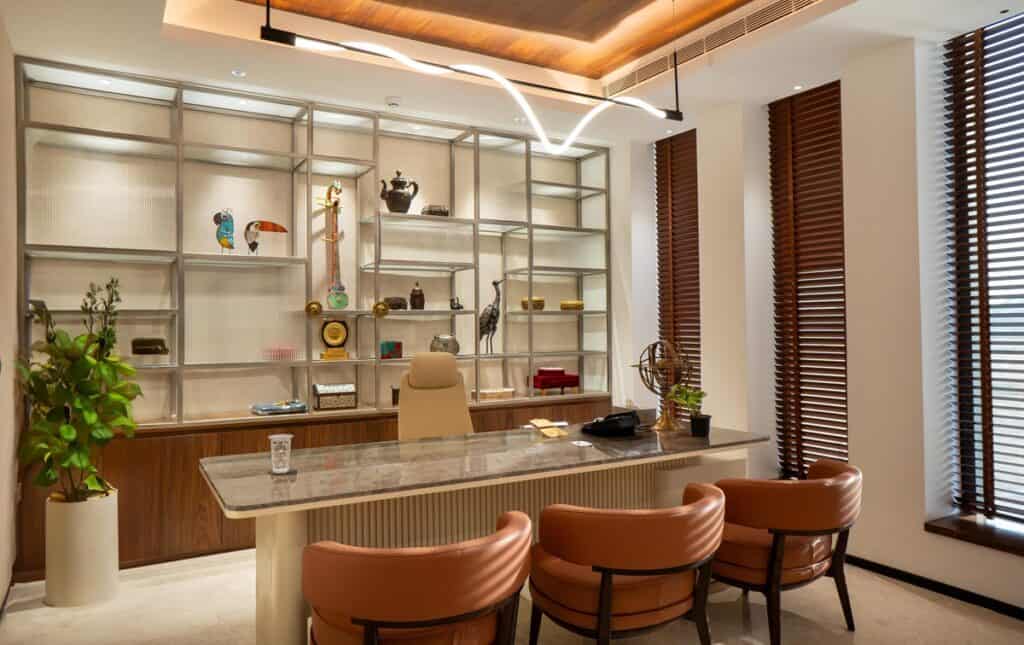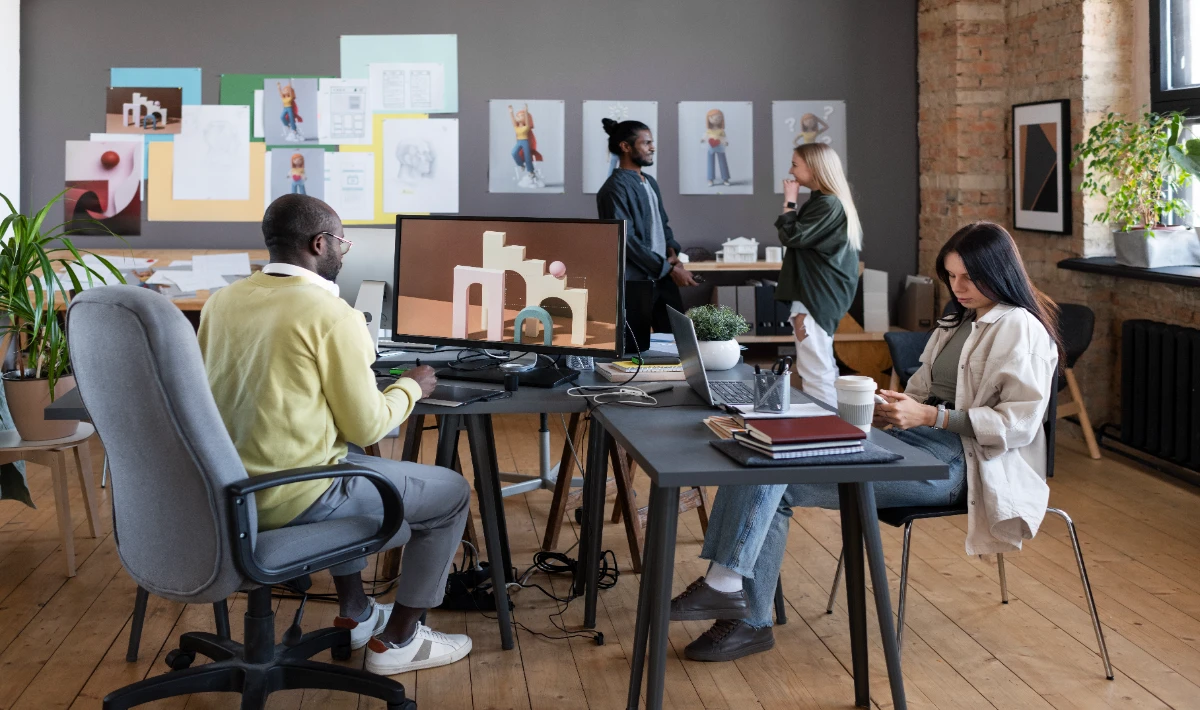
Workplace design is the way an office is shaped to support real work, not ideal work. It explains how people sit, move, focus, and interact during long days that are rarely predictable. At its core, workplace design answers a simple question. Does this space make work easier or harder. When planned well, it quietly supports focus and comfort. When ignored, it becomes a daily source of friction people struggle to explain.
Thinking about upgrading your workspace? Connect with an experienced office interior designer in Delhi.
What is Workplace Design
Workplace design is a process of planning and arranging a workplace to serve the functional needs of an organisation. It also makes sure that the human experience doesn’t get hampered. A workplace design includes the layout, lighting, etc.
What are the Modern Trends in Workplace Design
Work habits have changed faster than office layouts. That gap is why workplace design looks different today. Offices are no longer built around fixed seating or strict routines. They respond to how people actually work, pause, collaborate, and reset during the day. These trends reflect that shift.
1. Flexible Seating Zones
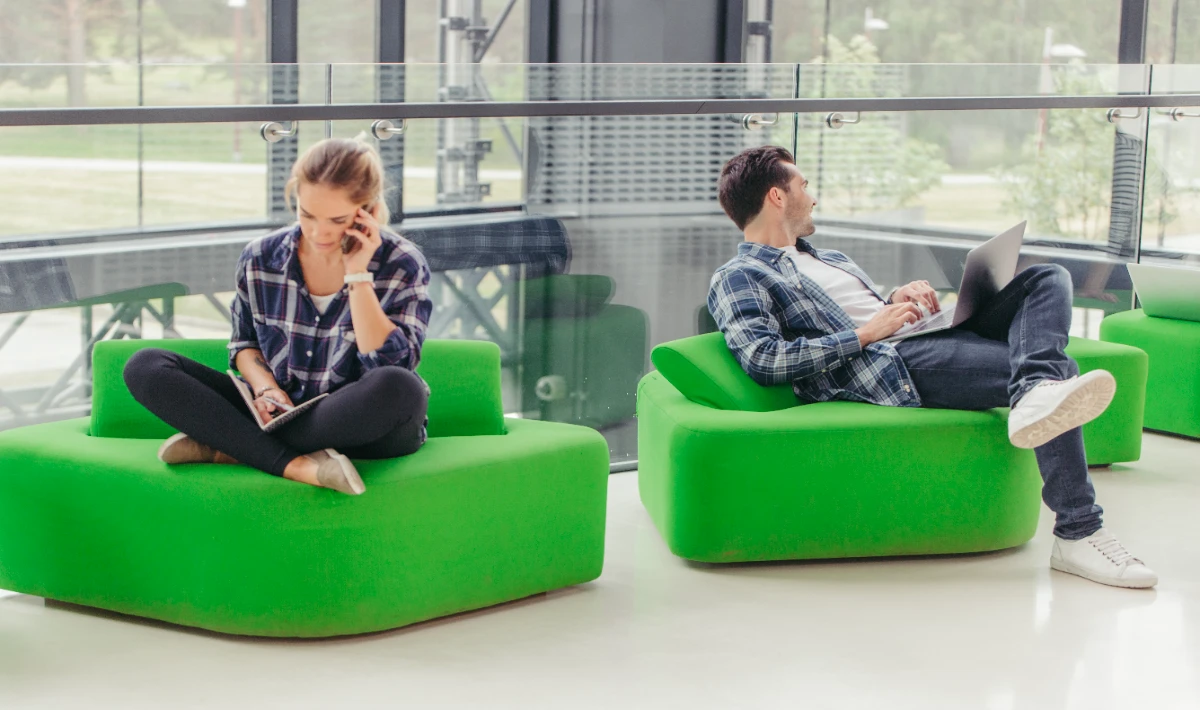
People no longer work the same way all day. Shared tables, casual seating, and short stay work points let teams choose spaces that fit the task. This freedom improves movement and keeps energy from dropping.
2. Hybrid Work Layouts
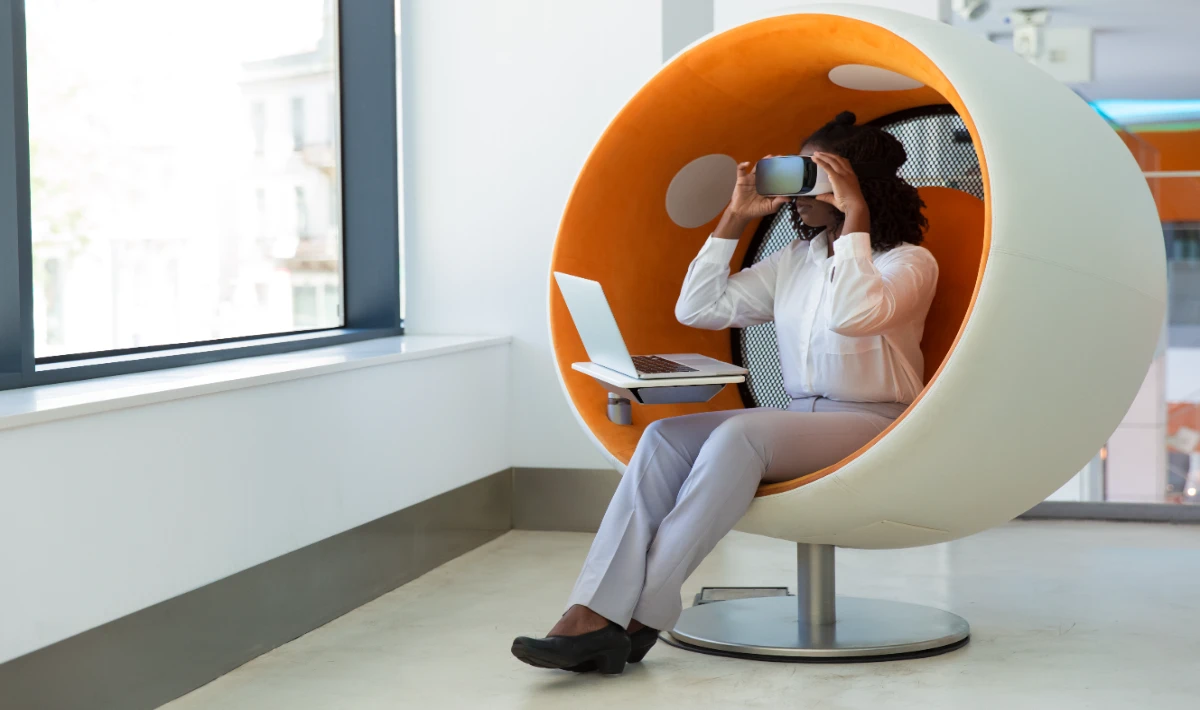
With the hybrid model of work put in place, only few desks stay occupied for a all day. Offices are now turning towards the shared areas to get work done. This shows how the future workspace will operate. It is a permanent trend and not a temporary one.
3. Quiet Focus Areas
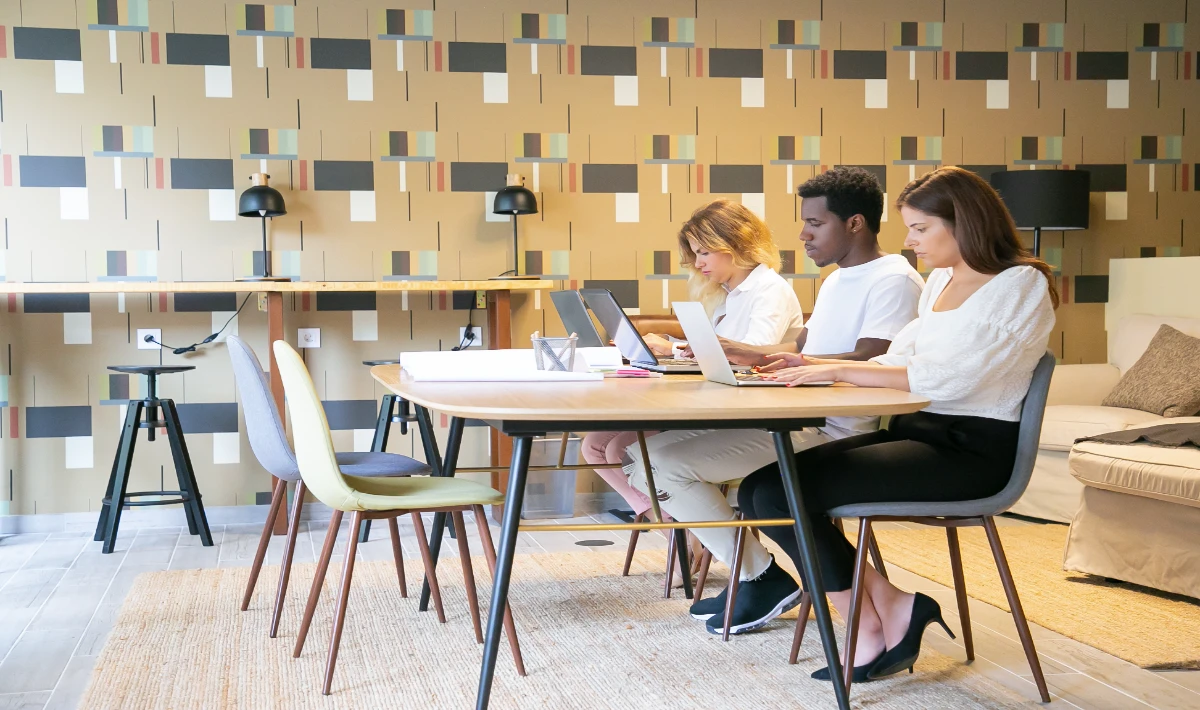
Open layouts are useful, but silence still matters. Focus zones give people space to think clearly without interruption. They prevent burnout that comes from constant noise.
4. Technology Integrated Spaces
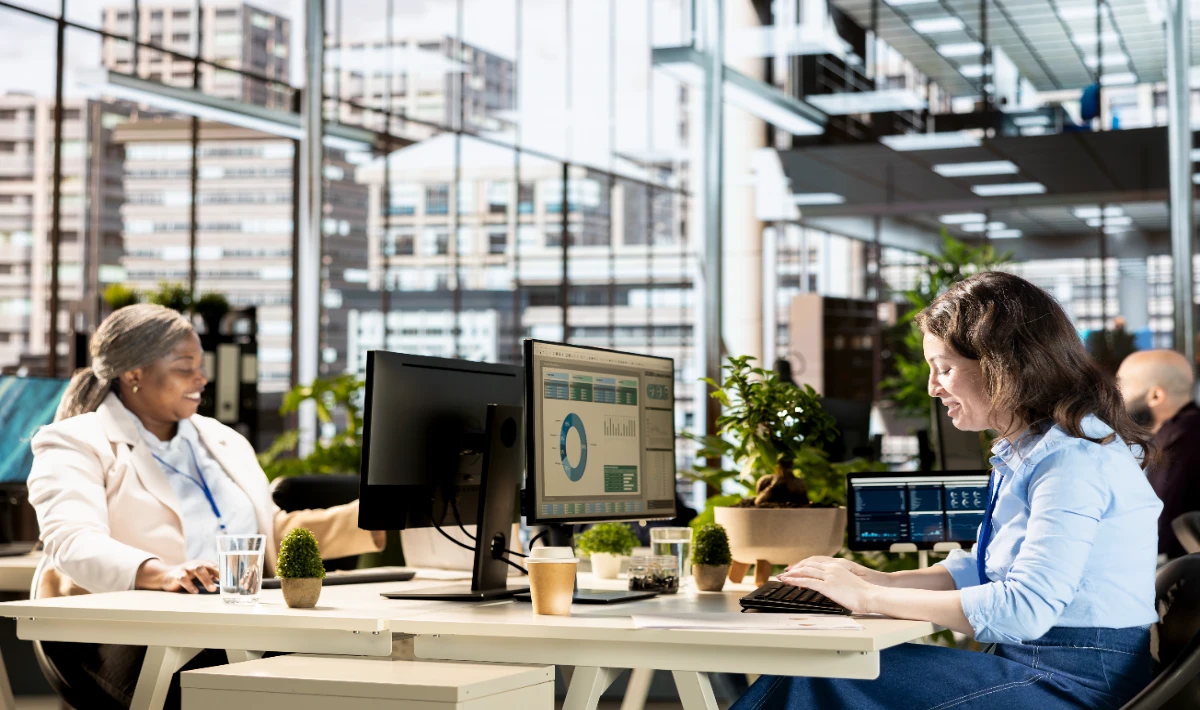
Screens, charging points, and connectivity are now part of the space itself. Meetings start on time. Work flows without technical distractions.
5. Wellness-Oriented Design
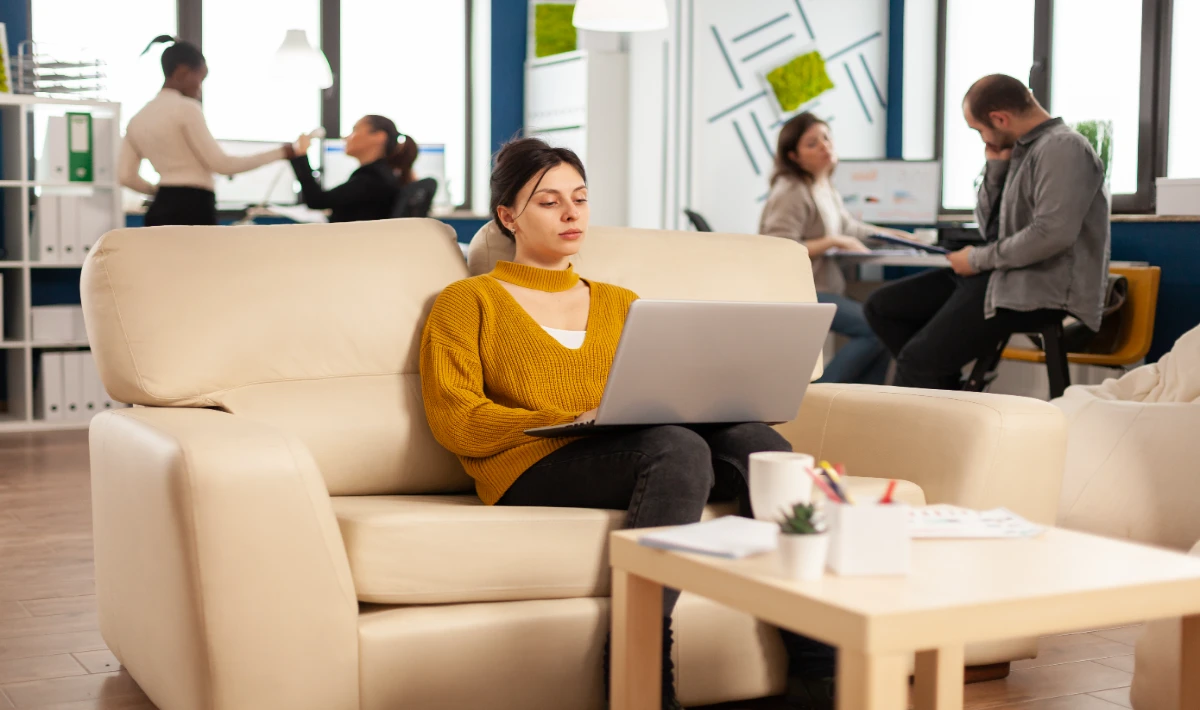
Comfort affects performance more than people admit. Natural light, airflow, ergonomic seating, and greenery support sustained focus. Wellness is now a practical requirement in Workspace Design.
6. Sustainable Material Choices
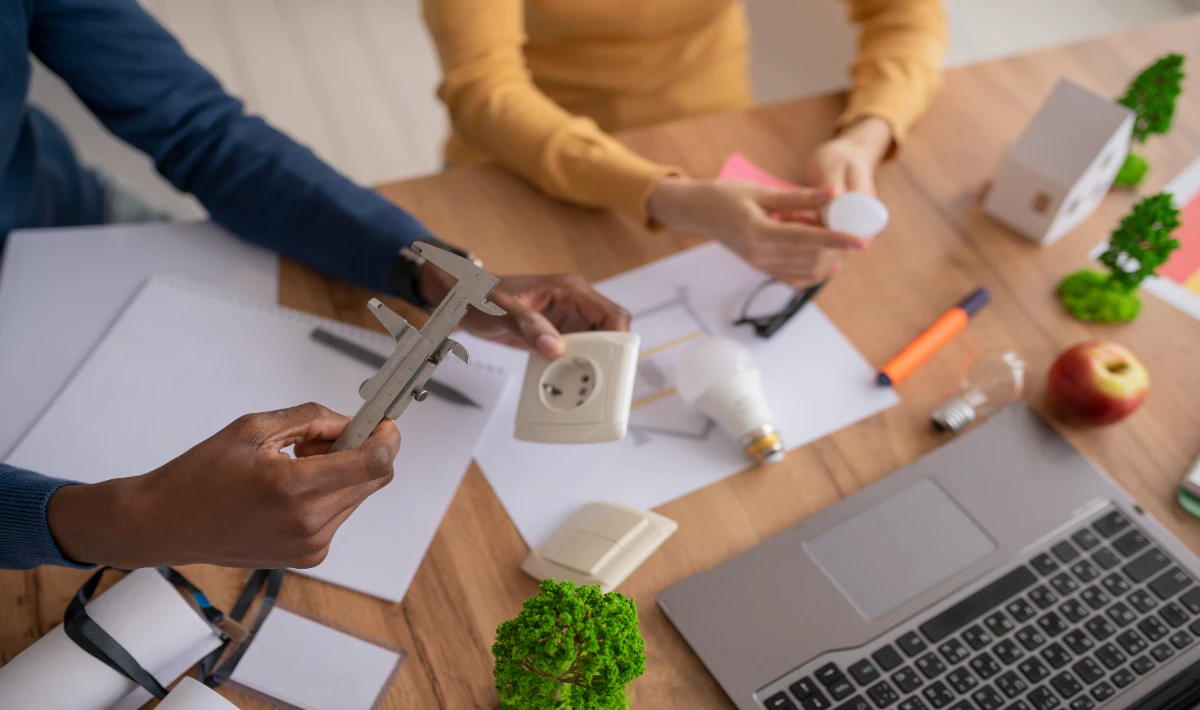
Offices are built to last longer. Materials that age well reduce repairs and waste. A sustainable approach makes the future workplace last for a longet amount of time without turning it into a new one.
7. Multi-Use Collaboration Spaces
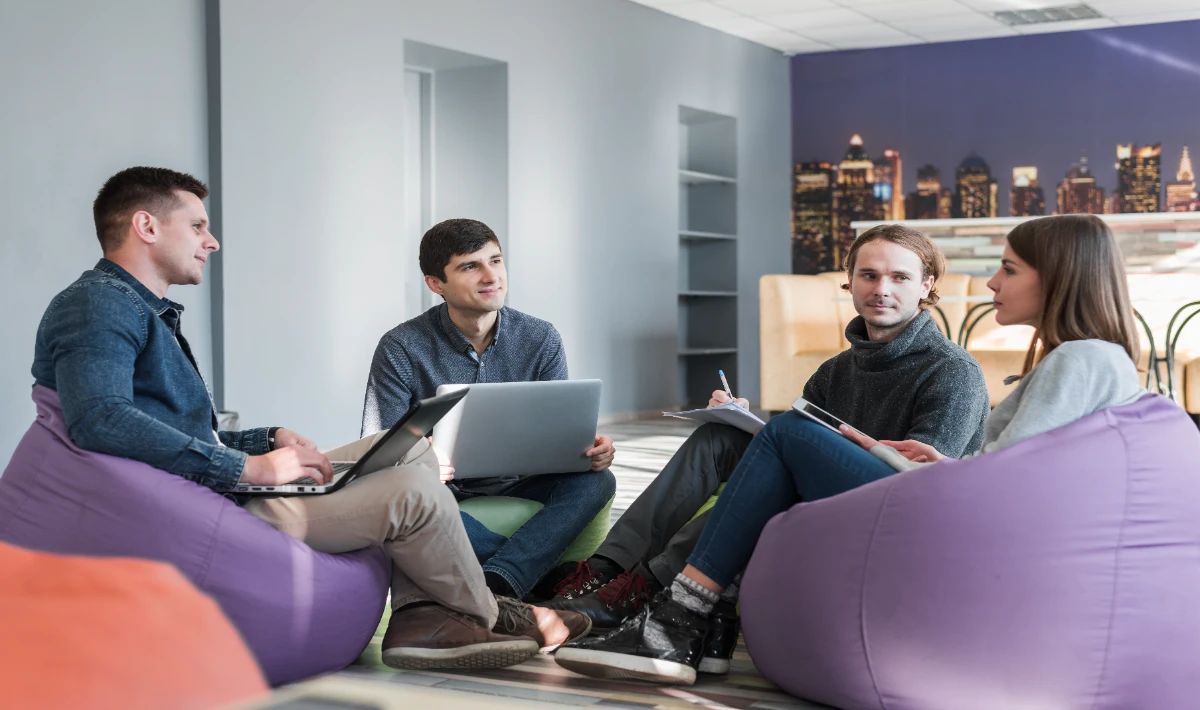
One room often serves many purposes. Meetings, training, and discussions happen in the same space across the day. This flexibility saves area without reducing function.
8. Zoned Layouts with Minimal Partitions
Nowadays, zones are defined without building big and bulky walls. They are created by placing furniture placed in a certain way, keeping different lighting themes or changing the floor. It keeps the office open and airy.
9. Scalable Furniture Systems
Teams grow. Roles change. Furniture that adapts avoids constant redesign. This keeps disruption low and continuity high.
10. Human Centric Design Approach
Planning now begins with people. How they feel, move, and concentrate matters more than visual statements. This keeps offices usable long after launch.
What Are the Key Principles and Elements of Workplace Design
Good workplace design is rarely dramatic. Movement should feel natural. Seating must support long hours without strain. Lighting should protect the eyes. Noise needs control without isolation. Storage should exist without taking attention. When these elements align, Workspace Design feels effortless rather than impressive.
Why Does Workplace Design Matter
Most people cannot explain why an office feels tiring. They only feel the effect. Poor layouts add stress slowly. Well-planned workplace design reduces friction and improves communication without forcing behaviour. Over time, this shapes a stronger team culture.
What are the Benefits of Workplace Design
Effective workplace design improves focus, comfort, and onboarding. New employees settle faster. Teams collaborate with less resistance. Offices quietly reflect values without decoration overload. These benefits help organisations adjust to the Future Workspace without repeated changes.
What is the Future of Workplace Design
The future of workplace design is flexible and calm. Offices will respond to tasks rather than fixed roles. Technology will remove effort instead of adding complexity. Spaces will change gradually, not dramatically. The Future Workplace will feel lighter and easier to use.
How Officebanao Supports Workplace Design
Officebanao approaches workplace design from the ground up. Work patterns come first. Layouts are planned to evolve. Materials are chosen for durability, not novelty. The goal is Workspace Design that continues working well after teams settle in.
Conclusion
Workplace design shapes how people feel about work without saying a word. When planned with care, offices reduce effort and support focus naturally. The right decisions allow spaces to grow within the organisation. At Officebanao, the emphasis remains on practical planning and long-term usability. Good design today builds stability for tomorrow.
Planning a new office or refresh? Connect with experienced office interior designers.