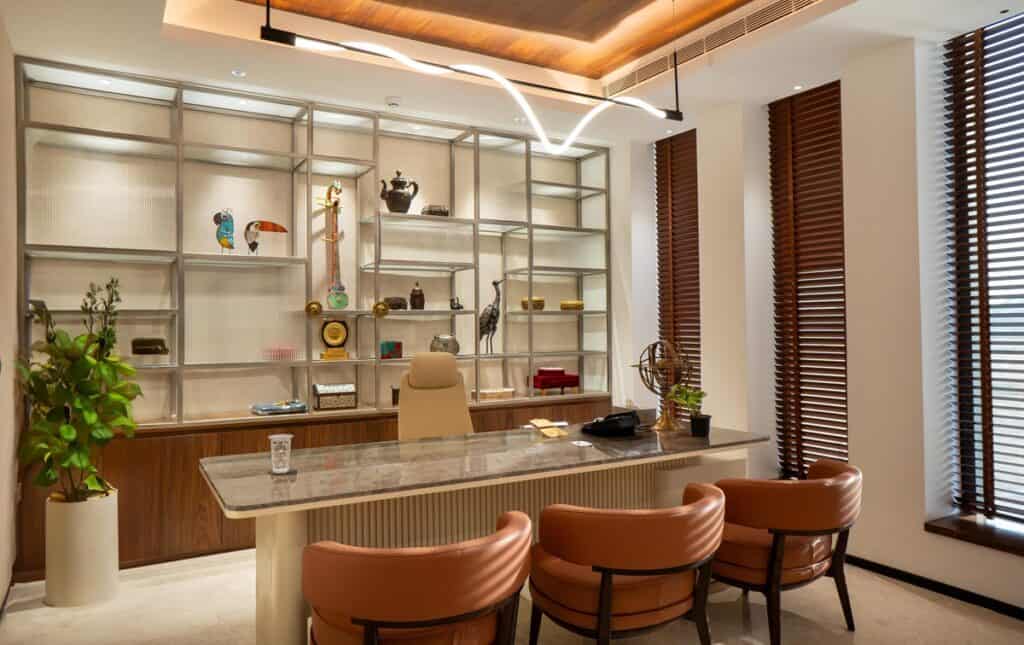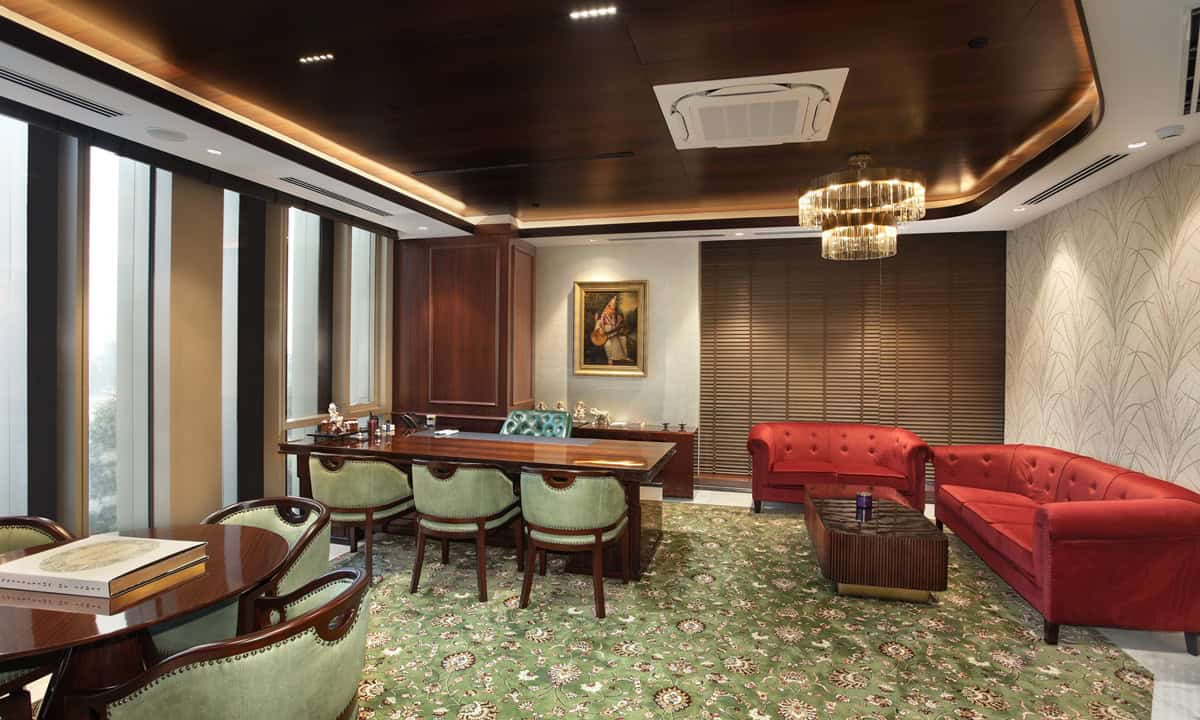
The interior design of a law office is more than just an aesthetic choice—it’s a strategic decision that reflects the firm’s identity, values, and professionalism. Whether you’re aiming for a modern law office interior design, a luxury law firm interior design, or a contemporary law office interior, the space you create can influence client perceptions, employee productivity, and even the firm’s overall success. In this detailed guide, we’ll explore the best law office interior ideas, dive into the nuances of designing a lawyer’s office, and provide actionable insights to help you craft a functional and inspiring space.
The Importance of Law Office Interior Design
A law firm’s office is often the clients’ first point of contact, making it a critical element in establishing trust and credibility. The design of the space communicates who you are as a firm—whether you’re a cutting-edge, tech-savvy practice or a traditional, established institution. Beyond client impressions, a well-designed office can enhance employee morale, streamline workflows, and create an environment conducive to the high-stakes work of legal professionals.
Key Elements of Law Firm Office Interior Design
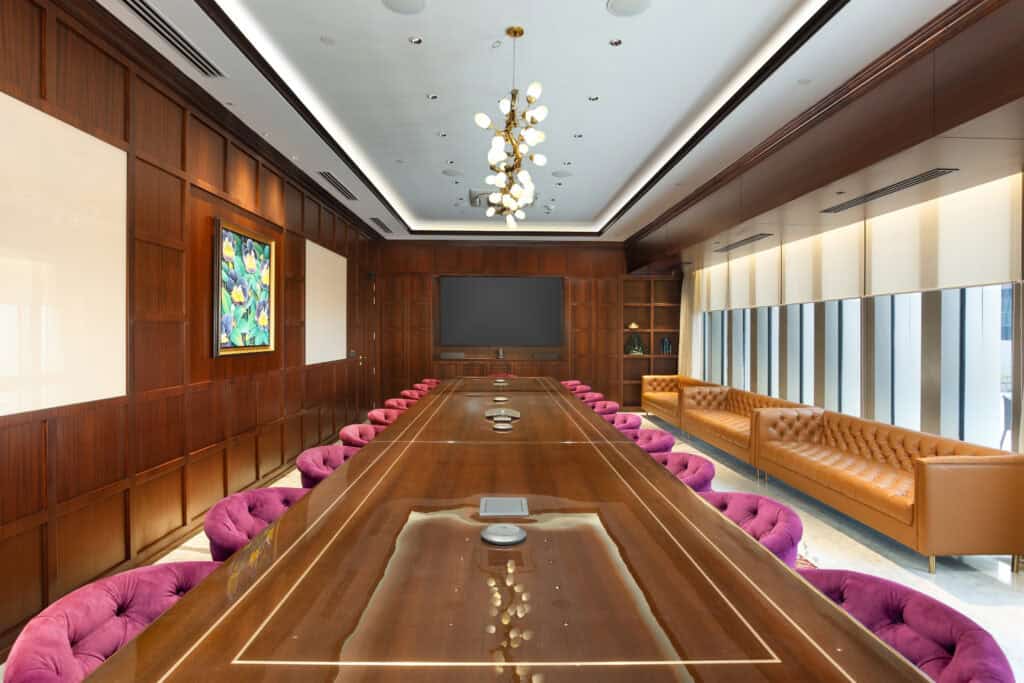
Functionality Meets Aesthetics: The best law office interior ideas balance practicality with visual appeal. Lawyers spend long hours reviewing documents, meeting with clients, and collaborating with colleagues, so the space must support these activities seamlessly. Think ergonomic furniture, ample storage for files, and soundproofed office meeting rooms. At the same time, the design should elevate the firm’s image—whether through sleek, modern lines or opulent, luxurious finishes.
For a modern law office interior design, prioritize open layouts with modular furniture that can adapt to different needs. Glass partitions, minimalist desks, and integrated technology (like hidden wiring for video conferencing) create a clean, forward-thinking look. In contrast, a luxury law firm interior design might feature custom wood paneling, plush leather seating, and statement lighting to exude sophistication and permanence.
Branding Through Design: Your office should tell your firm’s story. Are you a boutique practice specializing in high-profile cases? A luxury law firm interior design with marble accents and curated artwork might suit you. Or perhaps you’re a tech-focused firm handling intellectual property law—in that case, a contemporary law office interior with smart lighting and bold, innovative furniture could align with your brand.
Incorporate your firm’s logo, color scheme, and values into the design. For example, a firm emphasizing transparency might use glass walls and bright, open spaces, while one focused on tradition could opt for rich mahogany and classic decor.
Client Comfort and Confidence: Clients visiting a law office are often under stress, seeking solutions to complex problems. The interior design for a lawyer’s office should put them at ease while reinforcing your expertise. A welcoming reception area with comfortable seating, soft lighting, and a professional yet approachable vibe sets the tone.
Consider adding a coffee station or water feature to enhance the experience. For a luxury law firm interior design, go a step further with high-end touches like a chandelier or a custom reception desk made of exotic materials. In a modern law office interior design, sleek furniture and a neutral palette with pops of color can create a calming yet confident atmosphere.
Also Read: Looking for the Best Office Cubicle Design? Let Our Experts Help You!
Practical Considerations for Law Office Interior Design
Budgeting
Luxury doesn’t always mean expensive. Focus on high-impact areas like the reception and conference rooms, and use cost-effective materials elsewhere. For example, laminate can mimic wood or marble at a fraction of the cost.
Space Planning
Measure your office carefully to ensure furniture fits without overcrowding. Leave room for circulation—clients and staff shouldn’t feel cramped. In a modern law office interior design, prioritize multi-use spaces; in a luxury law firm interior design, allocate more square footage to private offices.
Lighting
Lighting affects mood and productivity. Combine natural light with layered artificial options—overhead lights for general use, task lights for desks, and accent lights for decor. A contemporary law office interior might use LED strips for a trendy touch.
Acoustics
Law offices require privacy. Use carpets, curtains, and acoustic panels to dampen sound. In a luxury law firm interior design, thick rugs and upholstered walls add both function and elegance.
Sustainability
Eco-friendly design is increasingly popular. Use reclaimed wood, energy-efficient lighting, and low-VOC paints to appeal to environmentally conscious clients and staff.
Exploring Design Styles for Law Offices
Hybrid Workspace Layouts

With the need for remote work and hybrid working models, law firms also integrate flexible workspace designs into their offices that can accommodate different working styles. This would include a mix of private offices and open-plan workspaces with collaborative zones. Some lawyers prefer traditional offices for focused individual work, while others claim they can only get truly creative in dynamic, open spaces due to easy collaboration with other workers.
In 2024, hybrid layouts include movable partitions, modular furniture, and multi-use spaces that can all be converted around depending on what the day calls for. These let law firms accommodate a diverse workforce, letting employees choose the environment they may want.
Sustainable Choices
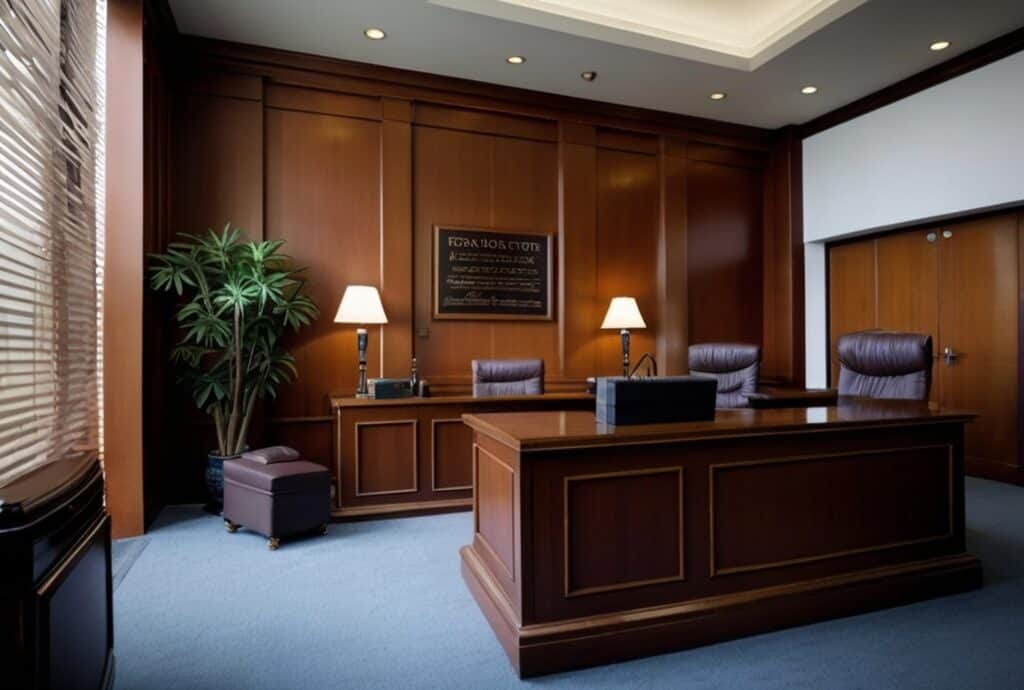
Sustainability is one of the trends that creates a niche for itself in each industry, and law office interior design is no exception. One of the key directions of a law firm in 2024 will be to minimize the level of their harmful influence on the environment by selecting sustainable materials, energy-efficient lighting, and eco-friendly furniture
Designers are using salvaged woods, recycled metals, and organic fabrics to help new, modern spaces also be green. Law firms also incorporate green building standards in their renovation projects including LEED certification. Indoor plants and living green walls is another one of many amenities becoming common inside law office interior designs that clean the air and help to maintain a sense of serenity among employees and clients alike.
Also Read: Office Space Planning: A Guide to Efficient Workspaces
Reception and Waiting Areas
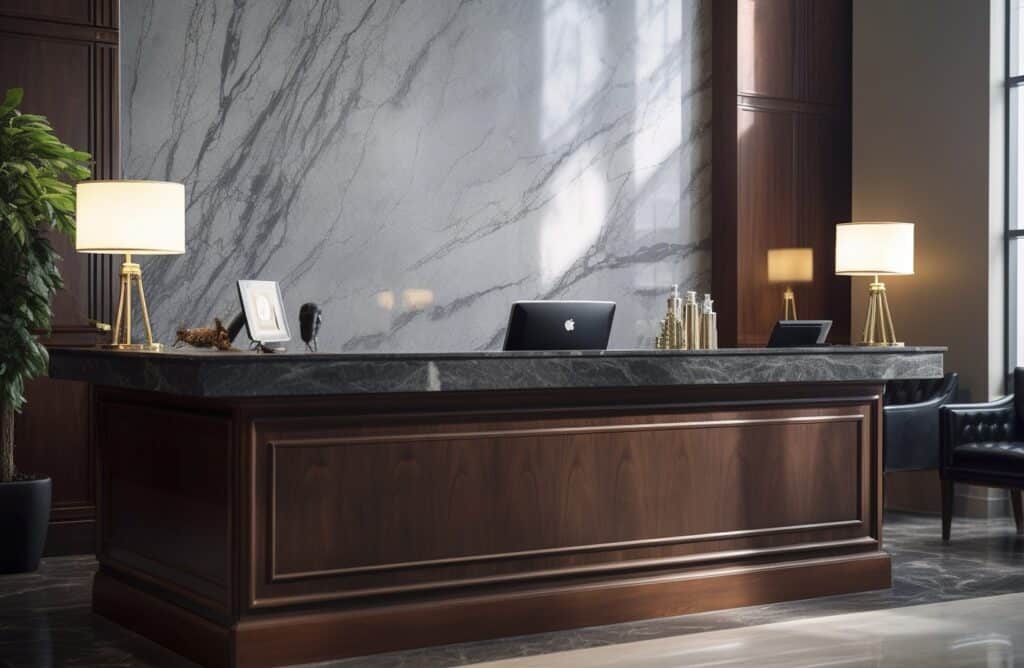
First impressions are everything in the legal community, and attorneys are ensuring their reception areas exude a client-centered approach. Lounge-type seating, artwork, and warm lighting are being worked into the design plans of law firms to create an inviting environment. High-quality materials-marble, leather, and polished wood add a sophisticated touch, while refreshment stations, reading materials, and Wi-Fi access make the waiting process more endurable for clients.
Private Pods and Soundproof Rooms
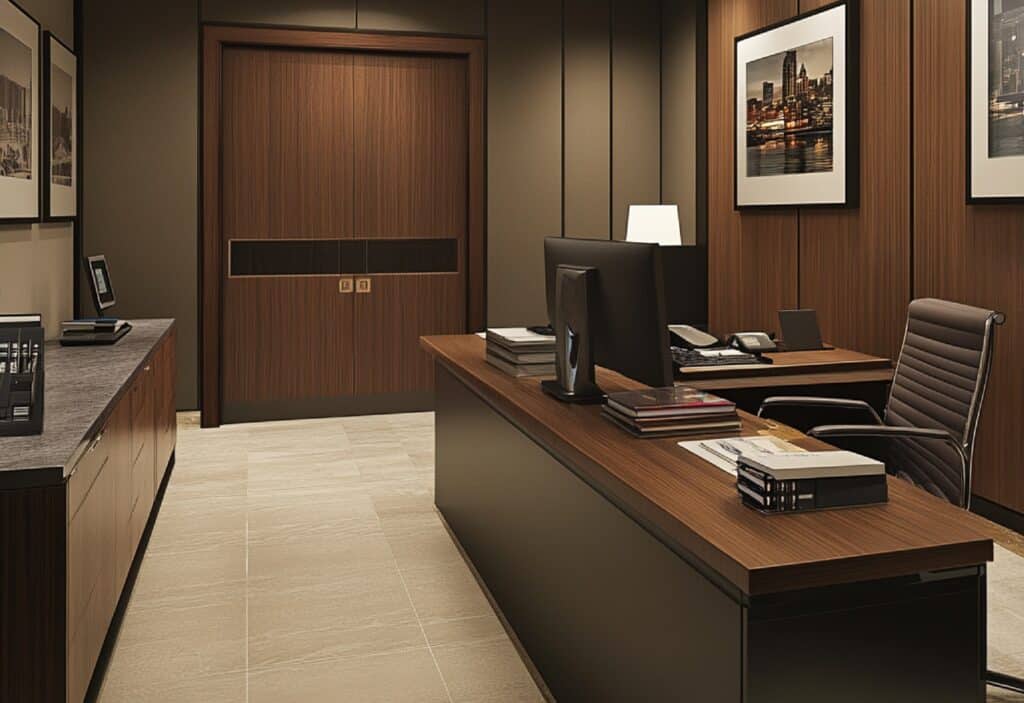
The CA office interior design has confidentiality at the forefront, and with open-plan flexibility, there is still a need for private spaces where personal discussions are held. The use of soundproofed private pods and rooms features into the office design for a law firm in 2024. This will offer quiet areas for personal calls, meeting with clients, or just simply concentrating on work, while offering sound insulation against the noisy office environment.
Acoustic panels, noise-canceling materials, and sound-absorbing furniture maintain privacy and minimize distractions to enable lawyers to operate without interruptions when the need arises.
Also Read: Transform your MD office interior – View ideas!
Tips for Implementing Your Law Office Interior
Designing a law office requires careful planning and execution. Here are expanded tips to ensure your project succeeds:
Hire a Professional Designer: An interior designer with experience in commercial spaces can translate your vision into a cohesive, functional layout. They’ll also navigate building codes and sourcing challenges, saving you time and money.
Start Small and Scale Up: If a full redesign isn’t feasible, begin with one high-impact area—like the reception or a conference room. Test your ideas, gather feedback, and expand as the budget allows.
Get Feedback from Stakeholders: Involve employees and even a few trusted clients in the planning process. Ask what they value in a workspace—privacy, collaboration, or comfort—and incorporate their input.
Plan for Growth: Choose scalable furniture and layouts that can accommodate future hires or changing needs. Modular desks, movable partitions, and expandable storage are smart investments.
Prioritize High-Traffic Areas: Invest more in spaces clients see, like the reception and meeting rooms, to maximize impact. Use budget-friendly options in staff-only areas to balance costs.
Test Lighting Scenarios: Before finalizing, experiment with lighting options. Visit the space at different times of day to see how natural light interacts with artificial sources, ensuring a consistent ambiance.
Incorporate Technology Early: Plan for wiring, outlets, and tech integration during the design phase—not as an afterthought. Hidden cable management keeps a modern law office interior design sleek and uncluttered.

Conclusion
Designing a law office is an opportunity to blend form and function, creating a space that inspires confidence, fosters productivity, and reflects your firm’s unique identity. Whether you lean toward a modern law office interior design with its sleek simplicity, a luxury law firm interior design with its timeless grandeur, or a contemporary law office interior with its adaptable charm, the key is to align the design with your goals and audience.
The best law office interior ideas prioritize client comfort, employee well-being, and brand consistency. From statement reception areas to private offices dripping with personality, every detail matters. With the right tips—hiring experts, planning for growth, and focusing on durability—you can create a space that not only looks impressive but also works efficiently.
Ready to redesign your lawyer’s office? Start with a clear vision, apply these practical strategies, and watch your law firm’s space transform into a powerful asset.