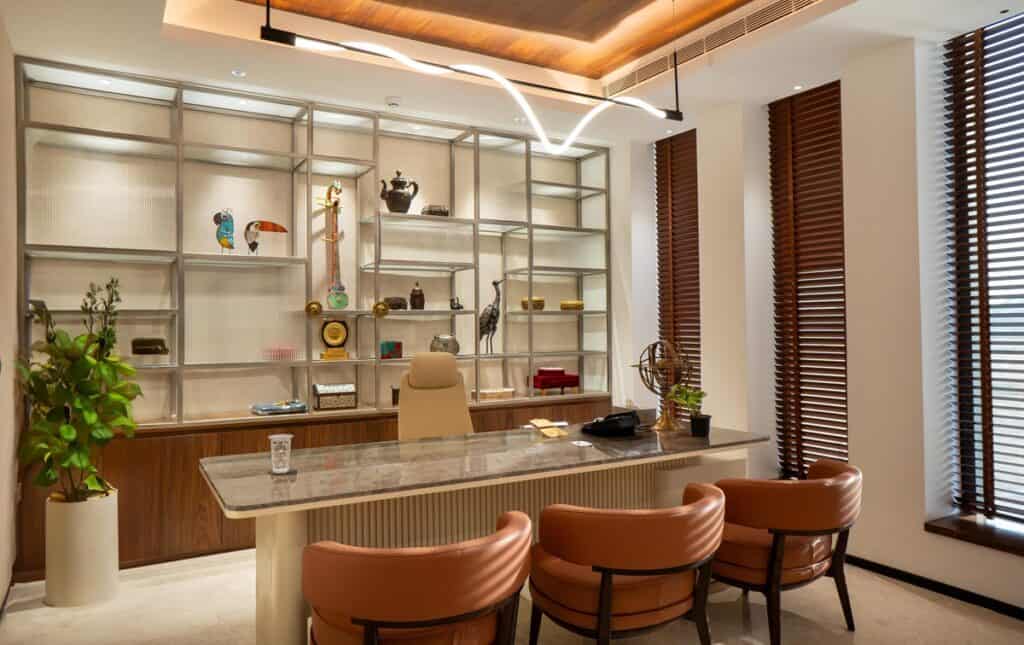
As businesses worldwide embrace sustainability, eco-friendly office interior design has become a top priority. Sustainable office interiors enhance employee well-being, reduce environmental impact, and create Green office workspaces that align with green initiatives. Whether designing a new office or revamping an existing space, adopting eco-friendly principles can significantly benefit your company and the environment.
Types of eco-friendly office interior design
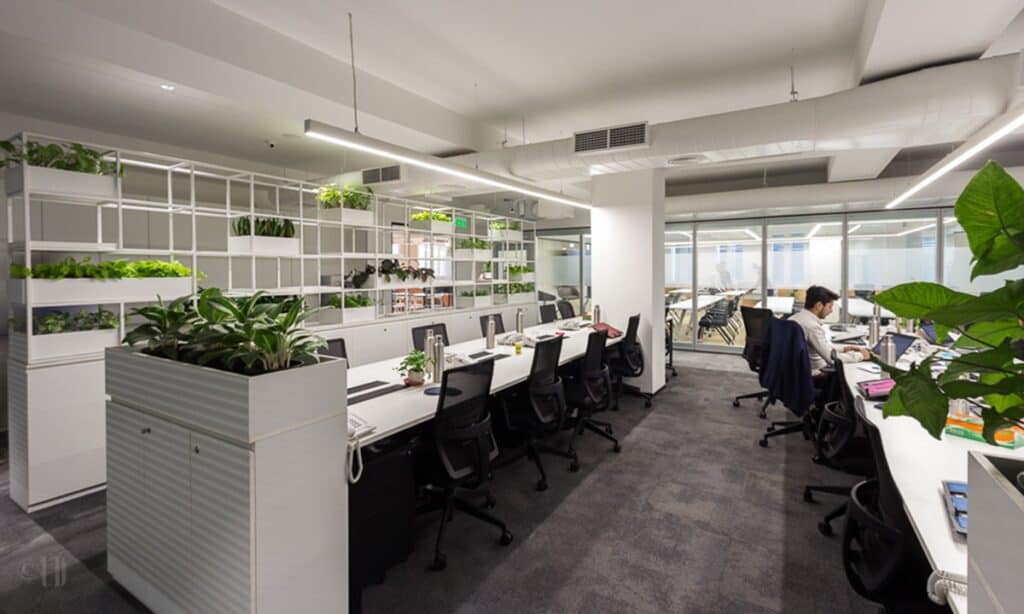
Minimalist sustainable office
A minimalist office design reduces clutter and unnecessary resource usage. It focuses on multi-functional furniture, open spaces, and a simple yet effective layout that promotes sustainability.
Biophilic office design
Biophilic office design integrates nature into the office space. This type of design incorporates plants, natural materials, water features, and abundant natural light to improve indoor air quality and employee well-being.
Smart and energy-efficient office
A smart office uses automated technology to optimize energy efficiency. Motion-sensor lights, smart thermostats, and AI-powered energy management systems help reduce energy waste.
Recycled and upcycled office
An office that prioritizes recycled and upcycled materials uses refurbished furniture, reclaimed wood, and repurposed décor elements to minimize waste and environmental impact.
Green-certified office
A green-certified office follows global sustainability standards such as LEED (Leadership in Energy and Environmental Design) or WELL certification. It focuses on energy-efficient systems, non-toxic materials, and sustainable operational practices.
Zero-waste office
A zero-waste office minimizes waste by implementing strict recycling programs, composting organic waste, and eliminating single-use plastics. It also encourages a paperless environment by leveraging digital tools.
Benefits of an Eco friendly office interior design
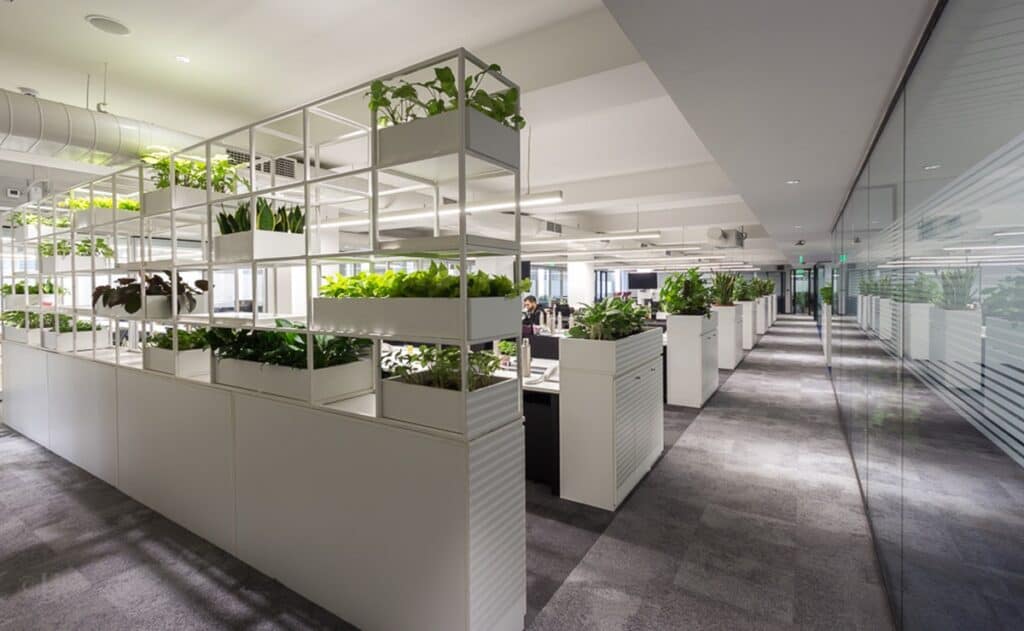
Reduced carbon footprint: Sustainable office interiors minimizes waste, lowers energy consumption, and promotes efficient resource utilization.
Improved employee well-being: A Green office interior enhances indoor air quality, increases natural lighting, and creates a more comfortable working environment, leading to enhanced productivity and satisfaction.
Cost savings: Energy-efficient lighting, insulation, and eco-friendly furniture can lead to long-term financial savings by lowering utility and maintenance costs.
Positive brand image: A sustainable office showcases corporate social responsibility, attracting eco-conscious clients, investors, and employees.
Regulatory compliance: Many governments offer incentives and tax benefits for businesses that adopt sustainable practices, ensuring compliance with environmental regulations.
Increased employee engagement: An eco-friendly office design fosters a sense of responsibility among employees, making them more likely to engage in sustainable habits and workplace initiatives.
Also Read: Explore Low-Budget Small Office Interior Design Ideas Now!
Key elements of eco-friendly office interior design
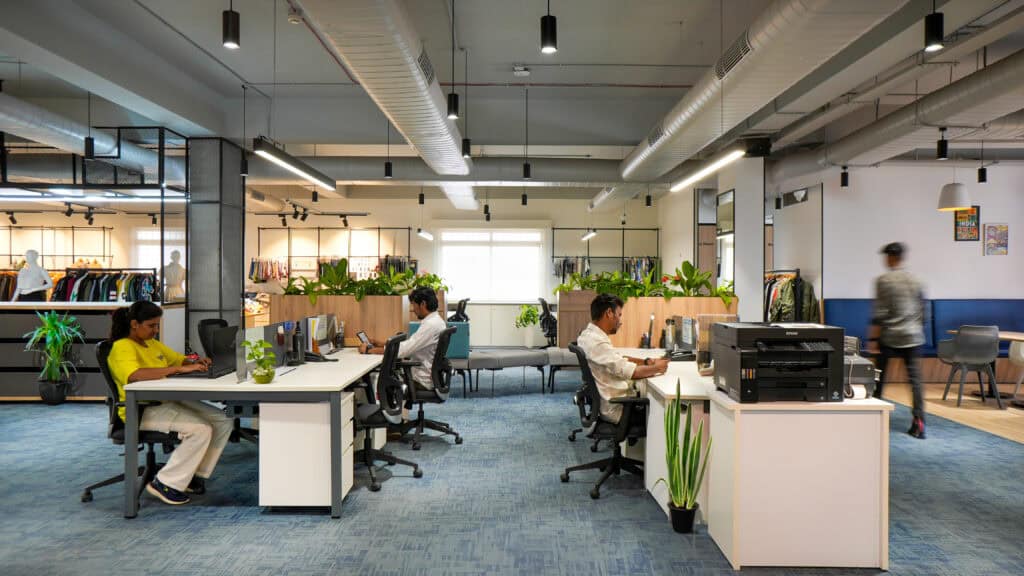
Sustainable materials
Using sustainable materials is a crucial aspect of Green office interior design. Opt for:
- Recycled or reclaimed wood for furniture and flooring
- Bamboo and cork, which are renewable and biodegradable
- Low-VOC (volatile organic compound) paints and adhesives to maintain indoor air quality
Energy-efficient lighting and appliances
Switching to energy-efficient solutions can significantly cut down power usage. Consider:
- LED lighting, which consumes less electricity and lasts longer than traditional bulbs
- Smart lighting systems with sensors and timers to optimize energy use
- Energy Star-rated office appliances and equipment
Natural light and ventilation
Maximizing natural light and ventilation not only saves energy but also enhances employee productivity and well-being.
- Use large windows, skylights, and glass partitions to allow more sunlight
- Incorporate open layouts to facilitate air circulation
- Install energy-efficient windows and shades to regulate temperature
Greenery and biophilic design
Adding plants and greenery to the office enhances aesthetics while improving air quality. Some eco-friendly options include:
- Indoor plants like snake plants, peace lilies, and spider plants for natural air purification
- Vertical gardens and living walls to optimize space and add a refreshing ambiance
- Desk planters and green dividers to boost creativity and reduce stress
Eco-friendly furniture and décor
Choosing the right furniture and décor can significantly contribute to a sustainable office environment. Look for:
- Ergonomic furniture made from recycled or FSC-certified wood
- Upholstery made from organic cotton, wool, or hemp
- Modular and upcycled furniture that minimizes waste
Waste reduction and recycling
Implementing waste reduction strategies can make a significant difference. Practices include:
- Providing separate bins for recycling paper, plastic, and e-waste
- Encouraging digital documentation to reduce paper consumption
- Using composting solutions for organic waste
Water conservation measures
Conserving water is essential in an eco-friendly office. Simple steps include:
- Installing low-flow faucets and sensor-based taps
- Using water-efficient dishwashers and appliances in office kitchens
- Encouraging employees to use refillable water bottles instead of plastic cups
Sustainable office supplies
Switching to eco-friendly office supplies can make daily operations greener. Consider:
- Recycled paper and notebooks
- Biodegradable pens and non-toxic markers
- Refillable ink cartridges and sustainable packaging materials
Smart office technology
Leveraging smart technology can enhance energy efficiency and reduce waste. Examples include:
- Automated climate control systems to optimize heating and cooling
- Motion-sensor lighting to reduce unnecessary energy use
- Digital collaboration tools to minimize the need for paper-based communication
Also Read: Explore Office Cabin Interior Design Ideas Today
Types of Sustainable Materials Used in Office Interior Designing
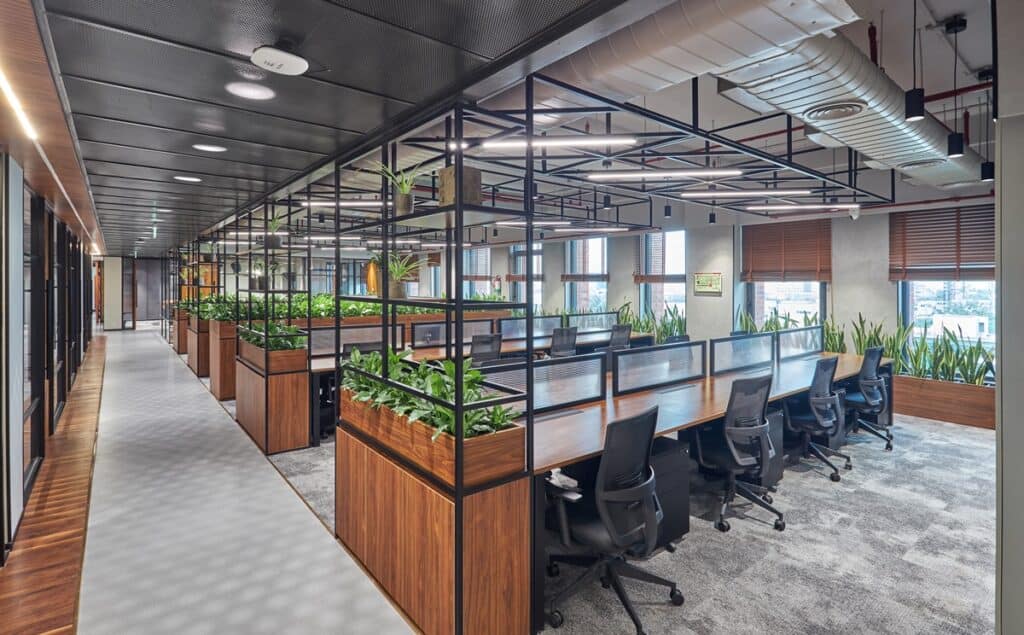
Creating a sustainable office environment involves selecting eco-friendly office design materials that minimize environmental impact while maintaining functionality and aesthetics. Here are some of the most commonly used sustainable materials in office interior design:
Recycled and Reclaimed Wood
Recycled and reclaimed wood is an excellent alternative to newly harvested timber. It is sourced from old buildings, furniture, or wooden pallets and repurposed for flooring, furniture, and wall paneling. Using reclaimed wood reduces deforestation and gives the office a warm, natural aesthetic.
Bamboo
Bamboo is one of the fastest-growing plants, making it a highly renewable resource. It is durable, lightweight, and versatile, commonly used for flooring, furniture, and decorative elements. Bamboo’s natural aesthetic adds an organic touch to office spaces.
Cork
Cork is harvested from the bark of cork oak trees without harming them, making it a sustainable and renewable material. It is commonly used for flooring, wall coverings, and acoustic panels due to its excellent insulation and sound-absorbing properties.
Recycled Metal
Recycled metal, such as aluminum and steel, is widely used for office furniture, partitions, and fixtures. Since metal can be continuously recycled without degrading in quality, it significantly reduces the need for raw material extraction and minimizes waste.
Eco-Friendly Paints and Finishes
Traditional paints contain volatile organic compounds (VOCs) that release harmful chemicals into the air. Eco friendly office design paints, such as low-VOC or zero-VOC paints, minimize indoor air pollution and improve workplace health and safety.
Recycled Plastic
Recycled plastic is used in various office elements, including furniture, carpets, and wall panels. By repurposing plastic waste, this material reduces landfill waste and pollution while providing durable and stylish office furnishings.
Glass
Recycled or energy-efficient glass is commonly used for office partitions, windows, and doors. It enhances natural light penetration, reducing the need for artificial lighting and promoting energy efficiency in office spaces.
Sustainable Fabrics
Natural and organic fabrics, such as hemp, organic cotton, and wool, are commonly used for office upholstery, curtains, and carpets. These materials are biodegradable, free from harmful chemicals, and provide a healthier indoor environment.
Linoleum
Unlike vinyl flooring, linoleum is made from natural materials like linseed oil, cork dust, and jute. It is biodegradable, durable, and available in various colors and patterns, making it a sustainable flooring choice.
Biodegradable Acoustic Panels
Acoustic panels made from recycled fabrics, wool, or natural fibers help in noise reduction while being eco-friendly. They improve office acoustics and create a comfortable working environment without harming the planet.
By incorporating these sustainable materials into office interiors, businesses can create eco-friendly workspaces that support environmental conservation while enhancing aesthetics and functionality.


Implementing sustainable practices in the workplace
Creating an eco-friendly office is more than just incorporating green design elements—it involves fostering a culture of sustainability among employees and making conscious decisions that reduce environmental impact. A truly sustainable workplace integrates eco-friendly policies, employee engagement, and continuous improvements in operational efficiency.
Encouraging employees to adopt green habits
Employees play a crucial role in workplace sustainability. Encouraging them to adopt green habits helps embed sustainability into the company’s culture. Simple yet effective initiatives include:
- Reducing energy consumption: Encourage employees to switch off lights, computers, and other electronic devices when not in use. Implement motion-sensor lighting and energy-efficient appliances to further cut down electricity use.
- Minimizing waste: Promote a paperless office by using digital tools for communication, documentation, and file storage. Set up recycling bins and educate employees on proper waste segregation. Provide reusable office supplies, such as refillable pens and notebooks made from recycled materials.
- Sustainable commuting: Encourage carpooling, cycling, public transportation, or remote work to minimize the office’s carbon footprint. Some companies even provide incentives for employees who opt for eco-friendly commuting options.
- Green office habits: Provide reusable mugs, bottles, and utensils to reduce single-use plastic waste. Introduce eco-friendly cleaning supplies and biodegradable products in the office pantry and washrooms.
Implementing office sustainability programs
Organizations can establish structured sustainability programs to reinforce eco-friendly practices. These programs may include:
- Green team initiatives: Form a sustainability committee or “green team” to develop and implement eco-friendly policies, raise awareness, and track progress.
- Sustainability challenges: Engage employees through monthly sustainability challenges, such as reducing personal carbon footprints, bringing waste-free lunches, or achieving energy-saving targets.
- Eco-friendly procurement policies: Source office supplies and furniture from sustainable vendors, prioritize recycled and biodegradable materials, and support brands with environmentally responsible practices.
Regular assessment and continuous improvement
Sustainability efforts should not be static; they must evolve with new technologies and best practices. Regularly assessing the office’s environmental impact ensures continuous progress. This can be done through:
- Energy audits: Conduct periodic evaluations to identify areas where energy efficiency can be improved.
- Sustainability reports: Track and measure key sustainability metrics, such as energy savings, waste reduction, and carbon footprint, and use this data to refine strategies.
- Employee feedback: Encourage employees to share suggestions on improving sustainability practices, as their insights can help create more effective and practical solutions.
Conclusion
Eco-friendly office interior design is an investment in the future. By integrating sustainable materials, energy-efficient solutions, and green practices, businesses can create healthier and more productive Green office workspaces while contributing positively to the environment. Whether making small changes or undertaking a full-scale green renovation, every step toward sustainability makes a difference.
Officebanao is revolutionizing workplace design and execution in India by integrating advanced technology with comprehensive interior solutions. The company offers a platform that streamlines the office design process, making it efficient and user-centric.
Key Features of Officebanao:
- Technology-Driven Design: Utilizing proprietary in-house technology, Officebanao provides effective space planning through AI, immersive 3D walkthroughs, and real-time collaboration tools. This approach enables clients to visualize and customize their Green office workspaces accurately before implementation.
- Comprehensive Service Offerings: The platform connects clients with a marketplace of designers, architects, and contractors, ensuring a seamless experience from concept to completion. By allocating services to multiple vendors simultaneously, Officebanao streamlines processes and reduces project timelines.
- Transparency and Competitive Pricing: Clients benefit from multiple product selection options at competitive prices, with real-time updates tracking the delivery process from warehouse to site. This transparency fosters trust and ensures timely project execution.