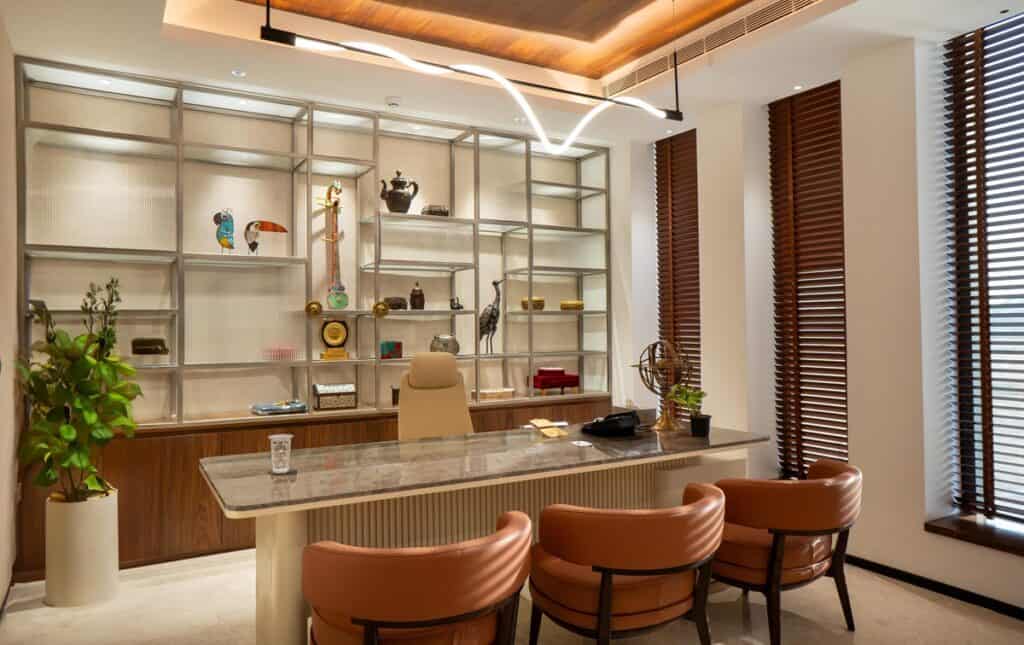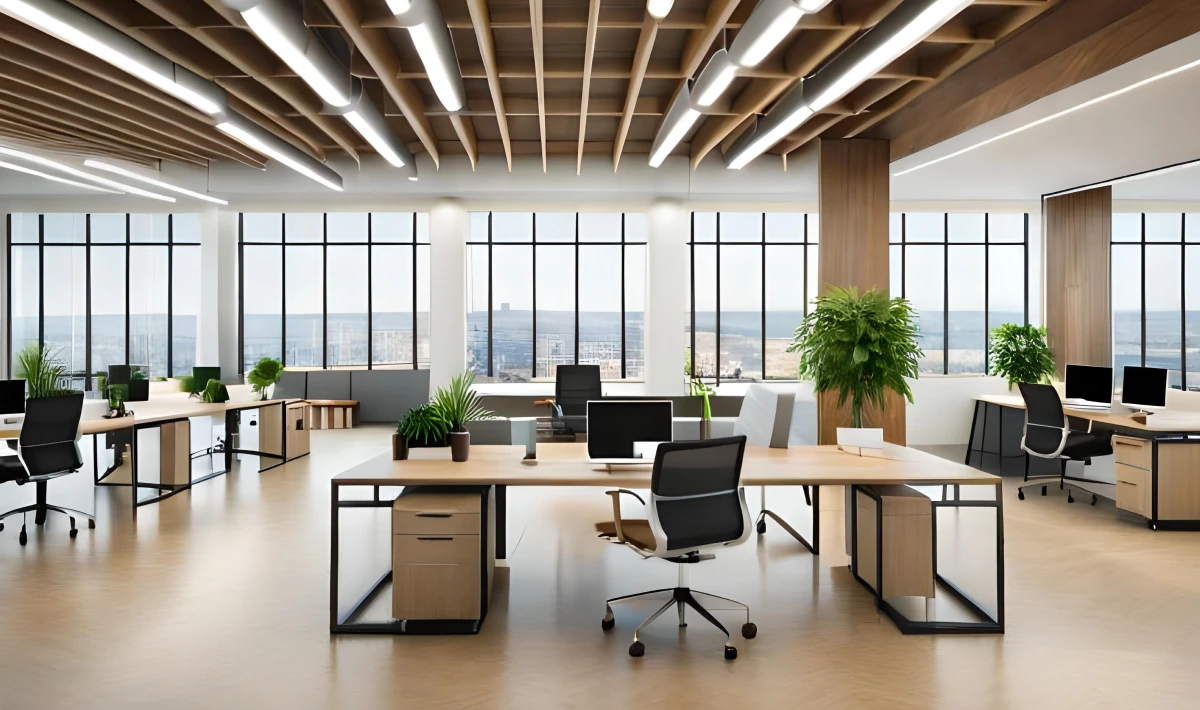
Interior design is a process transforming spaces to make them better in terms of comfort, safety and functionality. The process involves careful planning and on-time execution. Companies often think that interior design is a one-off design work, but the meaning of interior design includes planning, material selection, deciding on lighting patterns, etc. Interior designers give businesses an introduction to interior design so that they can understand the nature of the work.
Looking to upgrade your workspace? Connect with our expert office interior designers in Delhi for your design requirements.
What is Interior Design
Interior design can be defined as a professional way of planning and building indoor spaces. The need for interior design exists to make a space functional and efficient. When businesses ask what is interior design, they want clear interior design information about how workspaces are planned.
We can also define interior design as an art and science of improving interiors for comfort and usability. Some common interior design synonyms include interior styling, space planning, and spatial design.
What is the Definition of Interior Design
Interior design is defined as the art and science of improving the interior spaces of a building to make them functional, comfortable, and visually appealing.
What Scope Does Interior Designing Have in India
The scope of interior designing in India is growing very rapidly due to the emergence of various startups and enterprises. Today, cities are expanding, and companies are growing at a fast pace. This change can also be seen in the way companies are doing business, such as the introduction of hybrid work modes.
Employees want their home comfort at the workplace, too. This has widened the scope of interior designing as businesses need skilled designers to build comfortable workspaces.
Mentioned below are the areas where professional interior design services are in high demand:
- Corporate office interiors
- Retail and commercial spaces
- Hospitality and healthcare projects
- Turnkey execution services
Why is Interior Design Important
Interior design is important because the design of a space affects the team’s focus. The significance of interior design lies in improving comfort, safety, and efficiency. Understanding why interior design is important helps businesses make informed decisions. The true significance of interior design is seen when workspaces reduce stress and improve productivity.
What are the Core Principles and Structure of Interior Design
The interior design structure ensures that every element in a workspace connects properly. Without a strong interior design structure, spaces may look cluttered or uncomfortable. Possessing the interior design basic knowledge helps understand balance, proportion, and harmony. It also builds the foundation for good planning.
The seven core principles of interior design
- Balance: Balance is used to create visual stability in the interior design.
- Contrast: Interior designers use contrast to add interest.
- Rhythm: The job of rhythm is to create flow.
- Emphasis: To highlight key areas, emphasis is used.
- Scale: Scale is used to keep the sizes correct.
- Harmony: Designers use harmony to blend elements smoothly.
- Unity: This principle is used to connect everything together.
Elements of structure interior design
- Space: It defines the usable area.
- Line: It is one of the most important elements of interior design. The lines shape the form and movement of the space.
- Light: One of the best elements of interior design. The light changes the mood and visibility of the workspace.
- Colour & Pattern: These are used to influence feeling.
- Texture: It adds depth and comfort.
What are the Popular Types of Interior Design Styles in India
The interior design field has various elements that change every now and then. There are multiple styles, types and ideas. Here, we are discussing some of the popular styles in interior design.
Popular types of interior design styles
- Modern Style: Modern style focuses on clean lines, simple furniture, and a neat layout that avoids unnecessary decoration.
- Contemporary Style: This style follows current trends and showcases what is popular in interior spaces today.
- Minimalist Style: Minimalist style only uses essential elements in the workspace. It removes all extra things. The style makes the workspace look clean.
- Industrial Style: Industrial style is used when a business wants the workspace to look raw. It uses exposed brick, metal, and concrete for the same.
- Scandinavian Style: It uses light tones, soft textures, and simple furniture to create a bright and comfortable space.
- Traditional Style: As the name suggests, it uses classic elements, detailed furniture, and rich colours.
- Rustic Style: This style is all about using natural textures like wood and stone to create a warm environment.
- Bohemian Style: It mixes colours, patterns, and textures freely to create a creative and relaxed atmosphere.
- Mid Century Style: This style blends old and new design ideas with simple shapes and functional furniture.
- Art Deco Style: Art Deco uses bold shapes, geometric patterns, and luxurious finishes to create a dramatic look.
- Coastal Style: This style feels airy and fresh with soft colours inspired by beaches and seaside living.
- Farmhouse Style: It looks simple and warm with wooden furniture and cosy decorative details.
- Transitional Style: Known to mix modern and classic elements, it creates a balanced and comfortable design.
- Eclectic Style: The eclectic style combines many styles and ideas to create a unique workspace.
- Contemporary Minimal Style: The style focuses on keeping the space open, organised, and simple. It uses limited decor and tries to minimise clutter too.
What Does an Interior Designer Do
Interior designers plan layouts, select materials, and manage the entire project. Many businesses search for what interior designers do to understand their daily work. They also look for what is the work of interior design. Professional interior design education prepares office interior designers with technical skills and creative thinking. The main responsibilities of interior designers include:
- Space planning: The interior designers plan how the entire space will be utilised.
- Budget management: To manage the budget and make sure that there are no overruns.
- Material selection: They help the clients with material selection so that the durability of the space is not compromised.
- Site supervision: They also act as the site supervisor, so that the work gets completed on time.
What are Some of the Common Styles of Interior Design
It is often seen that businesses get confused between styles of interior design and interior decoration. Here are some of the common styles of interior design:
- Comfort-focused style: This style generally focuses on creating workspaces that are comfortable.
- Work-efficient style: The interior designers use this style to create highly productive and functional workspaces.
- Flexible hybrid style: This style helps office interior designers create workspaces for companies that have adopted the hybrid work model.
- Luxury statement style: This style is used to create a luxury office interior design that is comfortable and visually appealing.
- Functional minimal style: This style is used to create an open office interior design. It keeps the space open, clutter-free and comfortable.
What is the Difference Between Interior Design and Interior Decoration
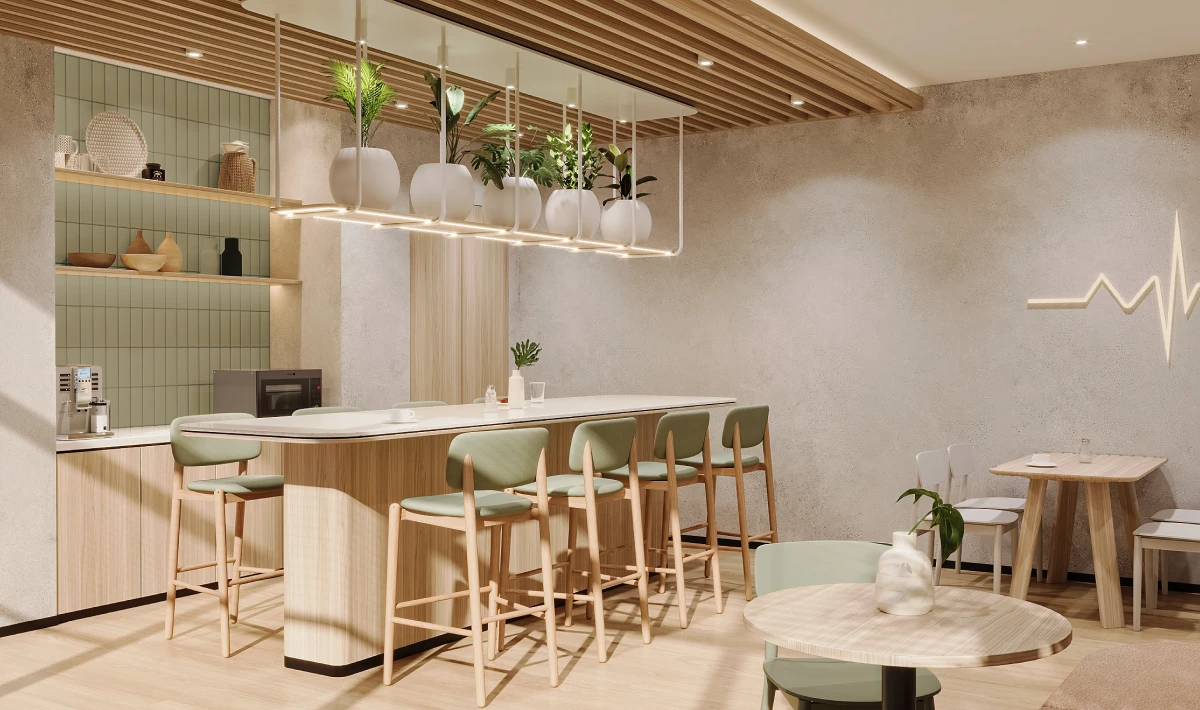
Businesses often mix up the structure and styling. Understanding the difference between interior design and interior decoration helps make the distinction:
|
Basis |
Interior Design | Interior Decoration |
|
Focus |
Planning and layout | Styling and decor |
| Work | Space Management |
Furniture and colours |
| Skill | Technical and creative |
Mostly creative |
|
Stage |
Before and during construction | After the structure is complete |
| Goal | Improve function and comfort |
Improve visual appeal |
When people ask what is interior decoration, they usually refer to decorative changes without structural work.
What are Interior Design Materials, Finishes and Fabrics
It is important to choose the right interior design materials as it ensures durability and safety. The common interior design materials include wood, glass, metal, and stone. Finishes and fabrics make spaces comfortable and visually complete. The materials are selected based on purpose, budget, and long-term use. Mentioned below are some of the common examples:
- Wall paints and laminates
- Wooden flooring
- Upholstery fabrics
- Decorative finishes
Why Choose Officebanao for Office Interior Design
Officebanao has extensive experience in commercial interior design projects. They handle turnkey execution from planning to delivery. Their design and build approach ensures smooth coordination between the stakeholders. The company has a deep understanding of interior design structure and practical planning. Why businesses trust Officebanao:
- Experienced team
- Turnkey execution
- Design and build expertise
- Timely delivery
Conclusion
Understanding interior design before building a workspace helps in a lot of ways. It is important that the interior planning has clear goals and proper budgeting. When you know all about interior design, you will be in a position to make uniform decisions.
Planning for a modern and stylish workspace? Connect with our professional interior designers for office.