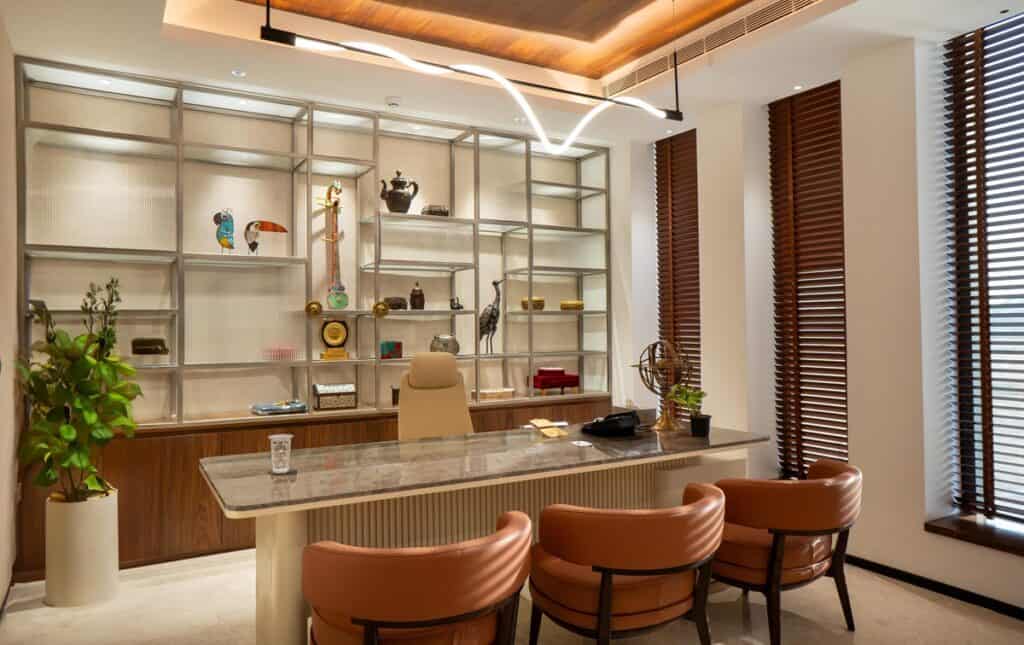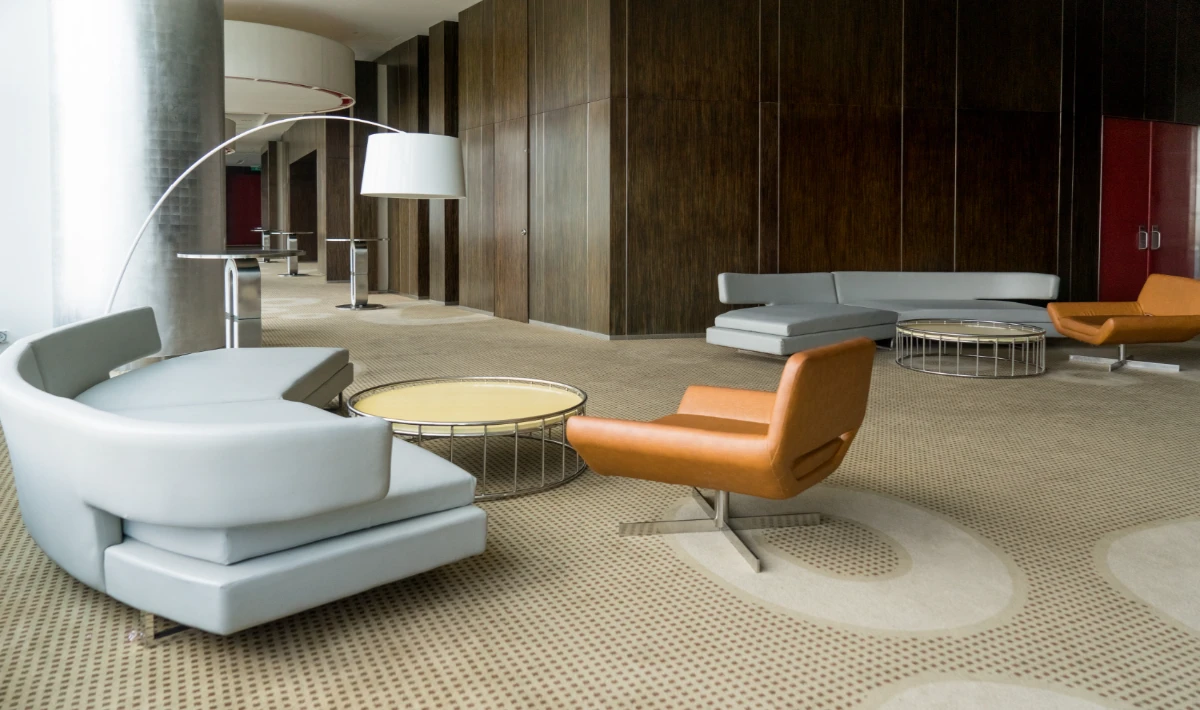
Real estate office interior design is not something most clients talk about, but they feel it the moment they enter. Some offices feel tense, and others feel calm. That difference usually comes from layout, light, and how the space is put together. When an office feels sorted, conversations happen more easily. People slow down, listen better, and stay longer. Over time, that comfort matters more than the fancy décor.
If the space feels difficult to manage, experienced office interior designers in Delhi can help you plan layouts that feel natural and not forced.
What Real Estate Office Interior Ideas Actually Work
When a real estate office works well, people do not think about the design. They just move through space naturally. Clients know where to wait. Teams know where to sit. Nothing needs explaining. The room feels honest and easy to use. These ideas focus on keeping things clear, calm, and practical rather than decorative.
1. Simple layouts that feel easy to understand
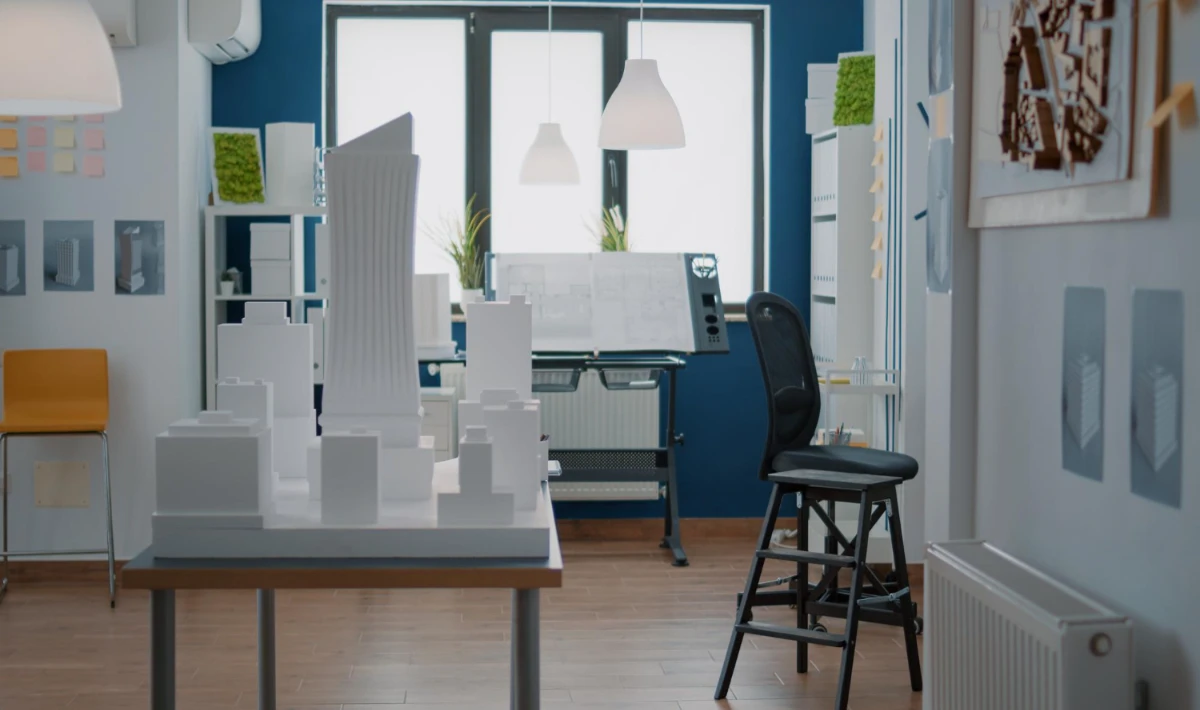
In good offices, people rarely ask where to go. Seating, meeting areas, and work zones are easy to spot. The space does not try to impress through design tricks. It stays straightforward. This is why real estate office interior design ideas usually lean toward clarity instead of visual drama.
2. Smart space planning in small offices
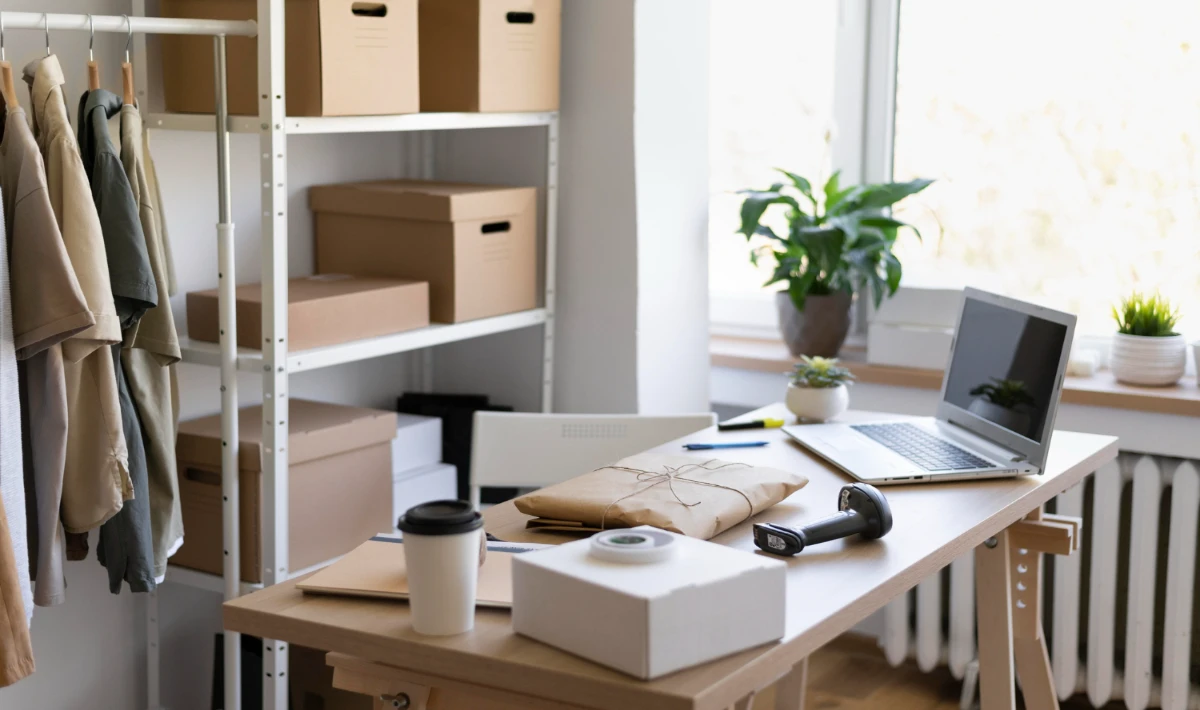
In a small real estate office interior, the way space is planned matters more than what furniture is used. When storage is placed thoughtfully, the room feels less crowded. The office feels bigger without actually being bigger.
3. Light use of glass for openness
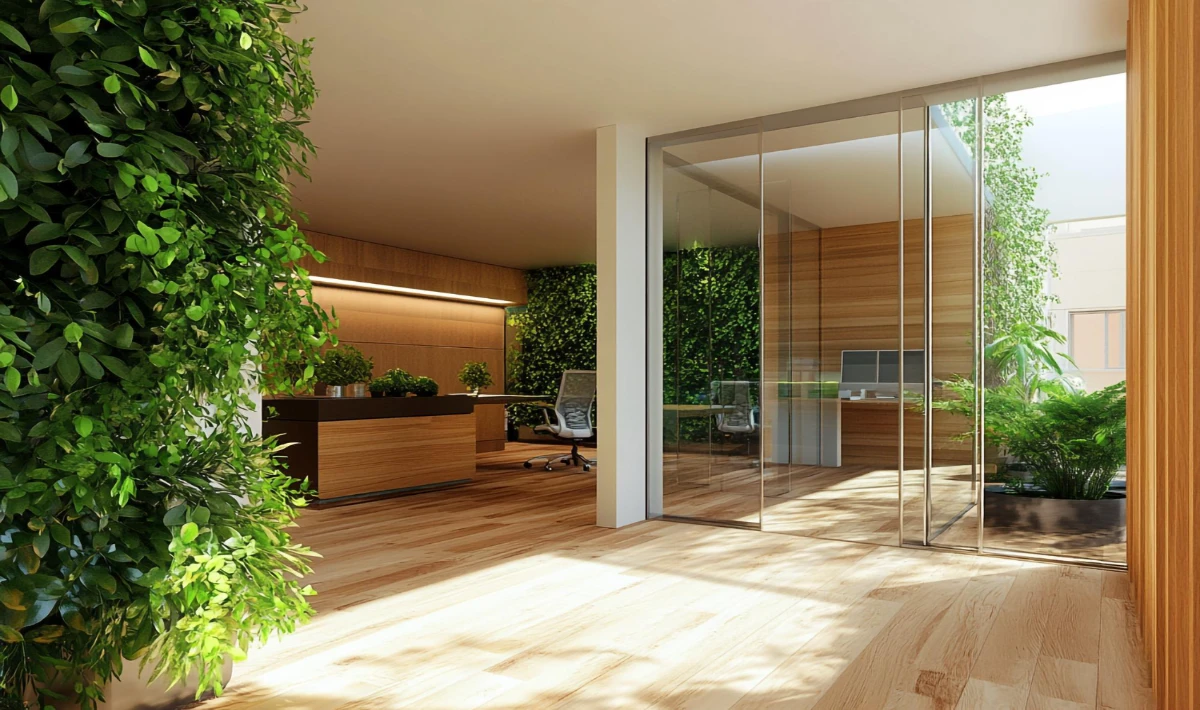
Glass works when it is used carefully. A single partition can separate areas without closing them off. Too much glass quickly becomes distracting. A well-planned real estate office interior design uses glass only where it helps, not everywhere it can.
4. Calm and welcoming reception areas
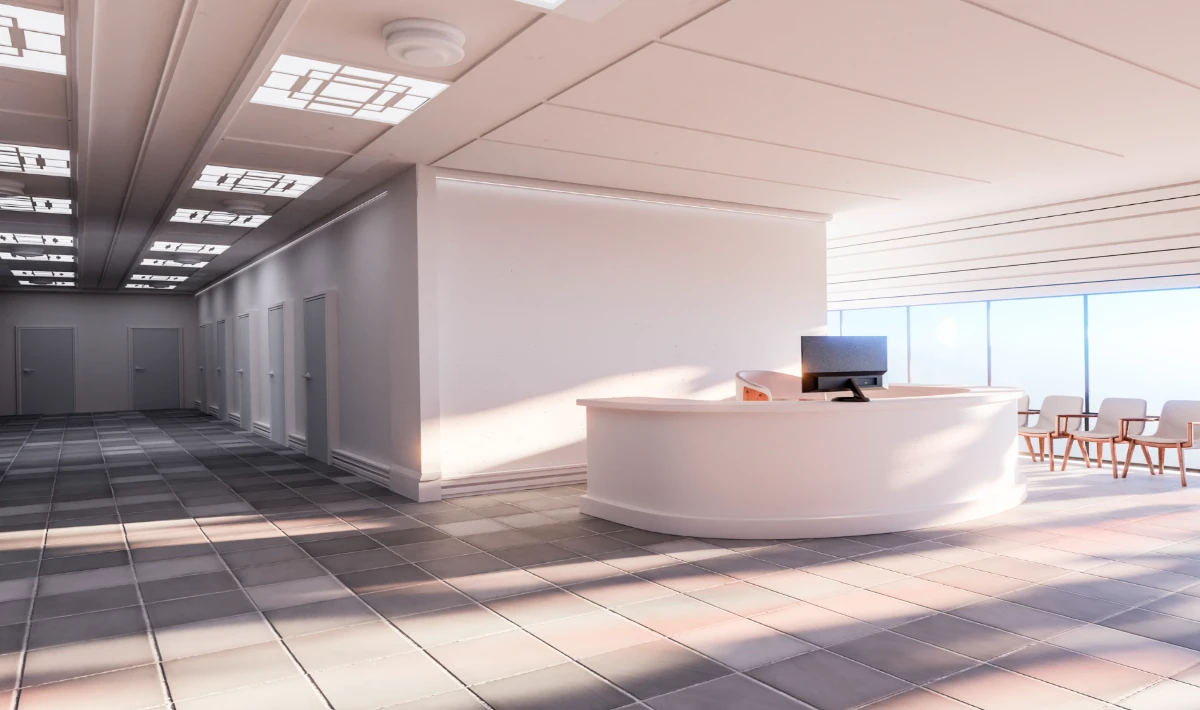
Reception spaces should feel settled. Not empty. Not busy. Just calm. When colours stay neutral, and layouts stay simple, visitors relax. They feel they are in the right place. This first moment matters more than bold styling.
5. Private meeting rooms
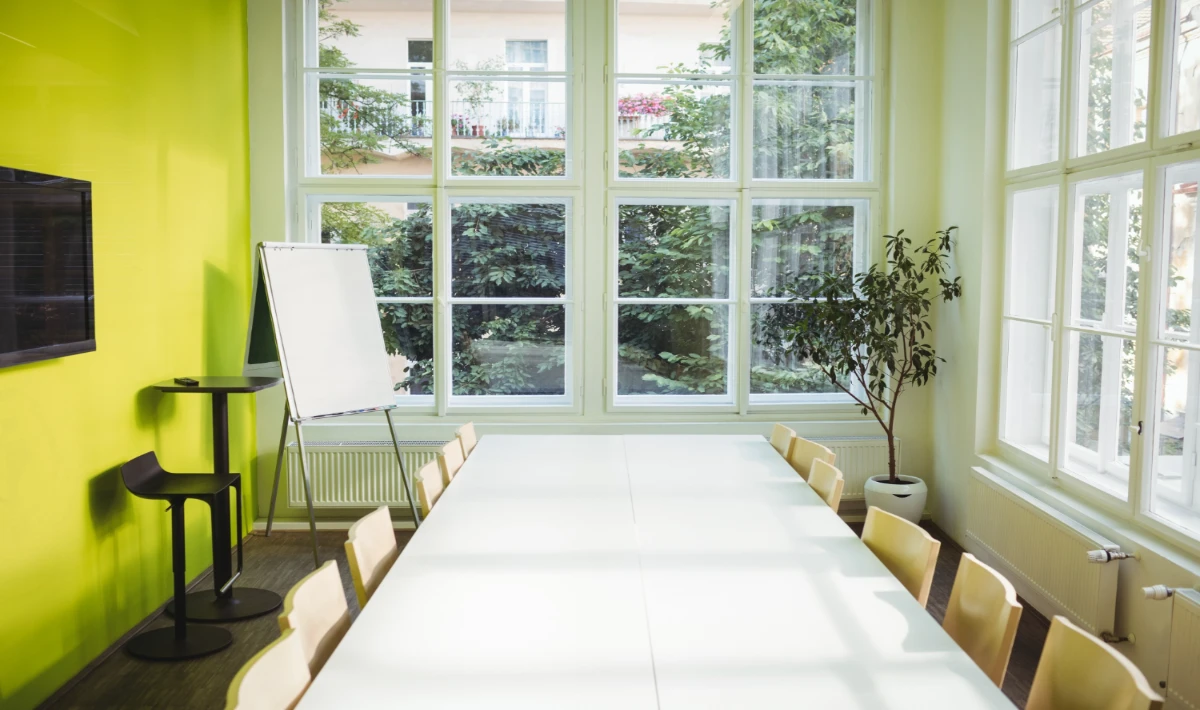
Meeting rooms need privacy, but they should not feel congested or packed. Soft colours help people focus on discussions rather than the workspace interiors. When the room feels calm and balanced, discussions take positive turns and meetings feel less tense.
Also Read: Trends in Real Estate Office Interior Design
Why Office Interior Design Matters in Real Estate
Real estate is built on confidence. Clients often decide how they feel before numbers are discussed. A balanced real estate Office Interior quietly supports that trust. It shows order without trying to impress.
For people working inside, the office affects energy levels. Poor lighting or cramped seating makes work harder. A modern real estate office interior design supports long days by making the space easier to sit, move, and think in.
An organised office also signals how business is handled. When the space feels managed, clients expect the same care in paperwork and process.
When a Real Estate Office Should Be Redesigned
Most offices do not need a redesign because they look old. They need it because they stop working well. Meetings feel rushed, files pile up, and movement feels awkward. Even a small real estate office interior design improves when layout problems are fixed.
Growth is another trigger. When teams increase, old layouts create friction. Renovation helps reset the balance. Some offices also redesign after brand changes, simply because the old space no longer matches how the business operates.
Timing matters. Quiet business periods are usually the best time to make changes without pressure.
How Key Features Affect Daily Work
Small details shape daily experience. Reception desks guide first impressions, and waiting areas affect how relaxed clients feel. These elements of features play an important role in creating a relaxed and conducive environment for daily work.
Meeting rooms should have soundproof walls for privacy. They should be designed for clear communication, and ambient sound should be reduced to a minimum. Storage plays a bigger role than most people expect. Many real estate office interior design ideas hide storage so desks stay clean without effort.
Lighting often decides how long people stay comfortable. Natural light helps when available. Soft artificial lighting fills the gaps. Together, these choices make the office feel steady instead of tiring.
What Materials Make Sense for Real Estate Offices
Materials should not demand attention. Glass works when openness is needed. Wood helps soften the space. Neutral floors keep things grounded. In a small real estate office interior, lighter finishes prevent visual heaviness.
Durability matters more than trend. Offices see daily use, and materials should age quietly. A good real estate office interior uses finishes that look better with time, not worse.
How Layout Planning Helps Client Conversations
Layout affects how conversations flow. Clear zoning separates work from discussion. This keeps meetings focused. Clients should reach the meeting rooms without confusion. Staff should move without interruption.
Many effective real estate office interior design ideas succeed because movement feels natural. When people do not think about the space, the space is doing its job.
How Design Supports Trust Without Saying a Word
Real estate discussions can turn out to be heavy. The office should help people slow down. Comfortable seating, steady lighting, and clear tables support calm thinking. A tidy environment suggests control. When things feel managed, people feel safer making decisions.
This is where real estate office interior design works subtly without making things obvious. Clients may never talk about the interior design, but they surely react to how it makes them feel. Comfortable real estate office interior design is of great importance as clients need assurances on various levels.
Conclusion
A well-thought-out real estate office interior helps offices feel calm, clear, and reliable. When the space supports work naturally, both clients and teams feel comfortable and secure. Over time, these small comforts create stronger relationships. Officebanao works with real estate businesses to design offices that feel practical and professional. If you want a space that supports trust and long-term growth, working with experienced commercial interior designers helps bring that balance together.