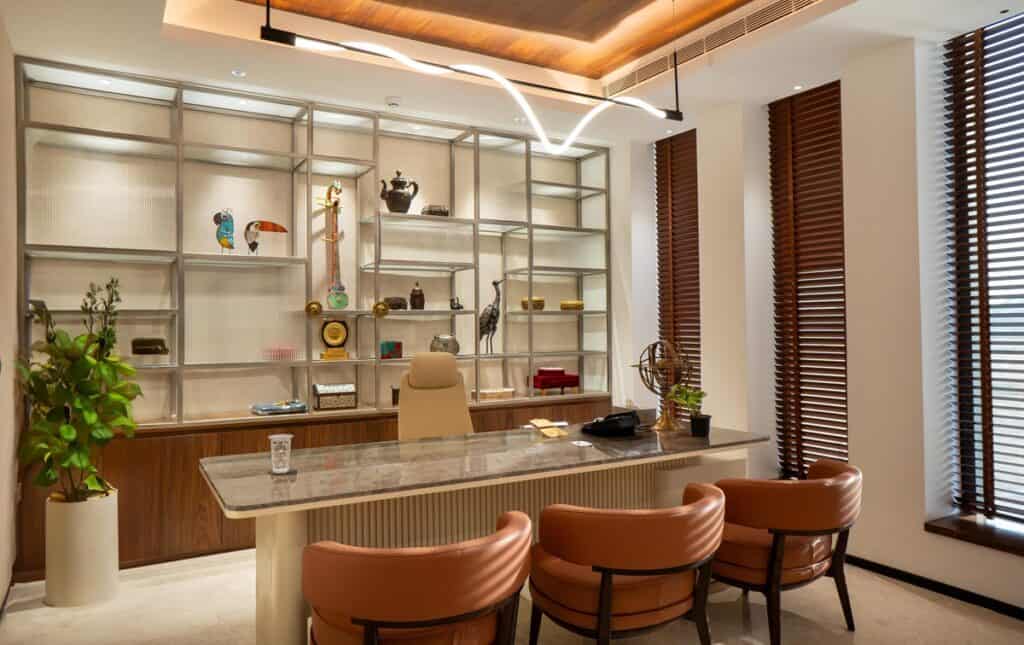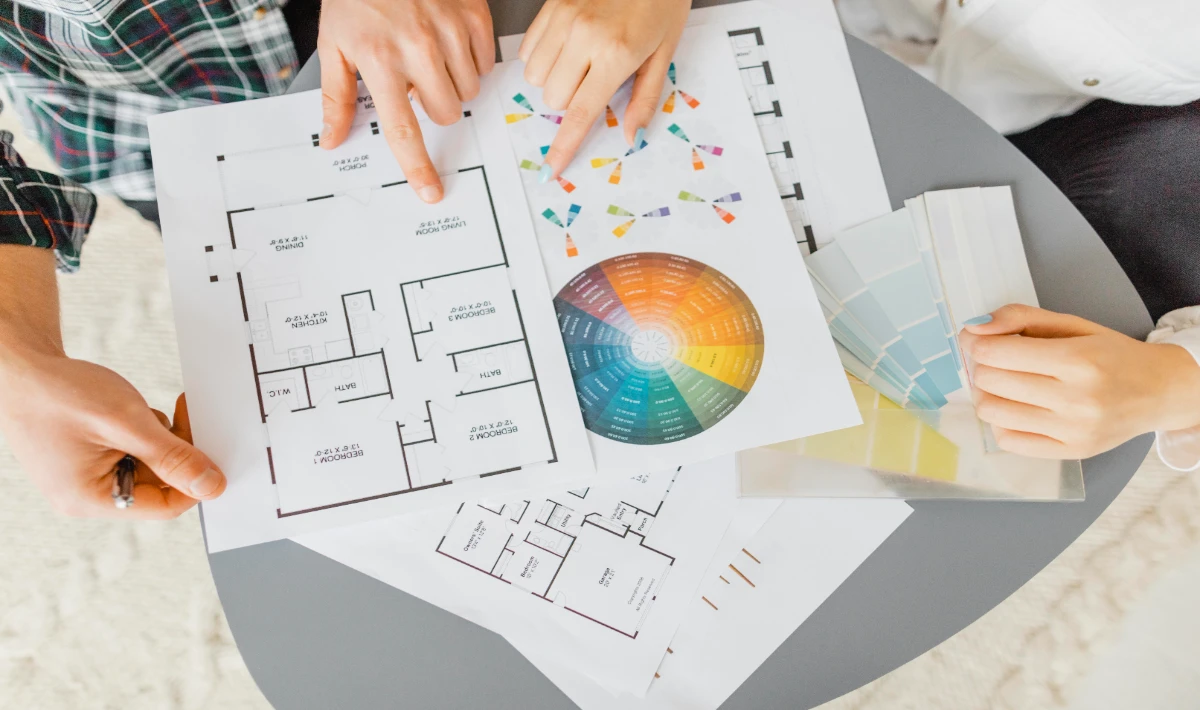
Principles of interior design form the base of how interior spaces are planned and used. These principles help create spaces that feel balanced and comfortable. They also make rooms easier to move around in. Interior design is not only about how a space looks and feels. It is also about how it works every day. When these principles are understood, design choices feel clearer and easier to make.
Work with experienced office interior designers in Delhi who apply design principles with practical understanding.
What are the 7 Core Principles of Interior Design
The principles of design in interior design explain how balance and comfort are created inside a space. These rules help designers organise rooms so they feel calm and easy to understand. When used correctly, spaces do not feel confusing or heavy. The 7 core principles are mentioned below:
1. Balance
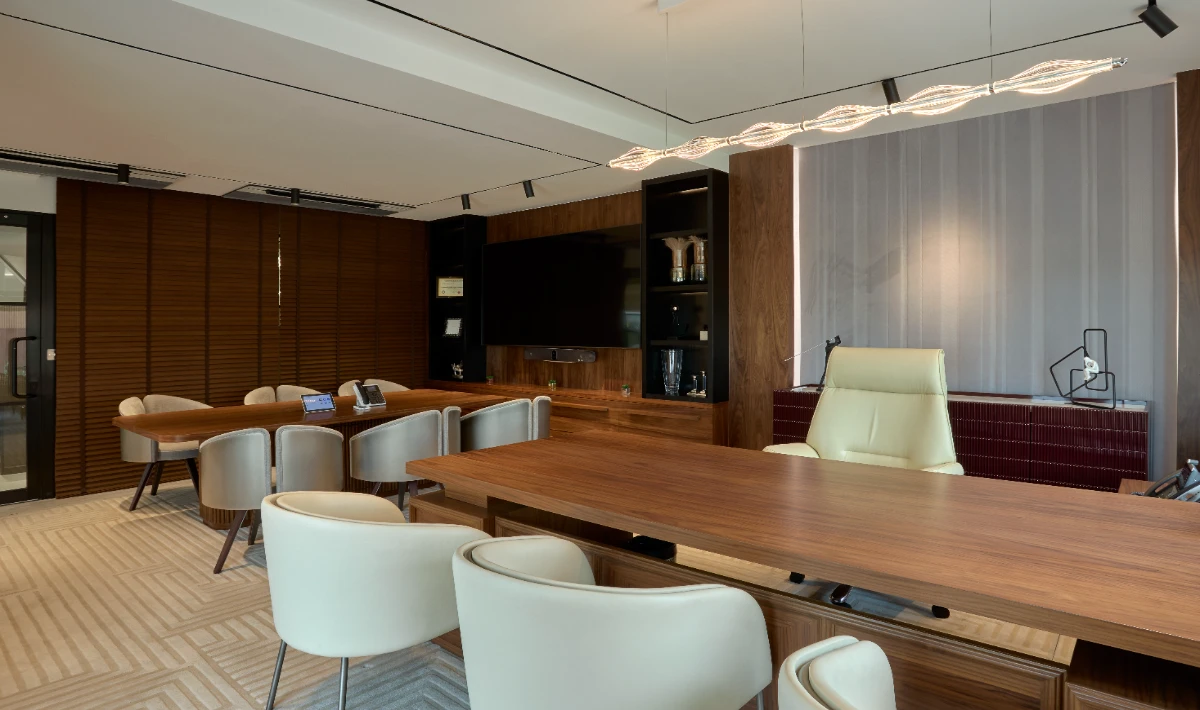
Balance controls how weight is spread in a room. It helps make sure that both sides are even and that heaviness on one side is not a problem. Furniture, colours, and layouts are placed to make the space look even at all times. This is why principles of design balance are important for comfort.
2. Emphasis
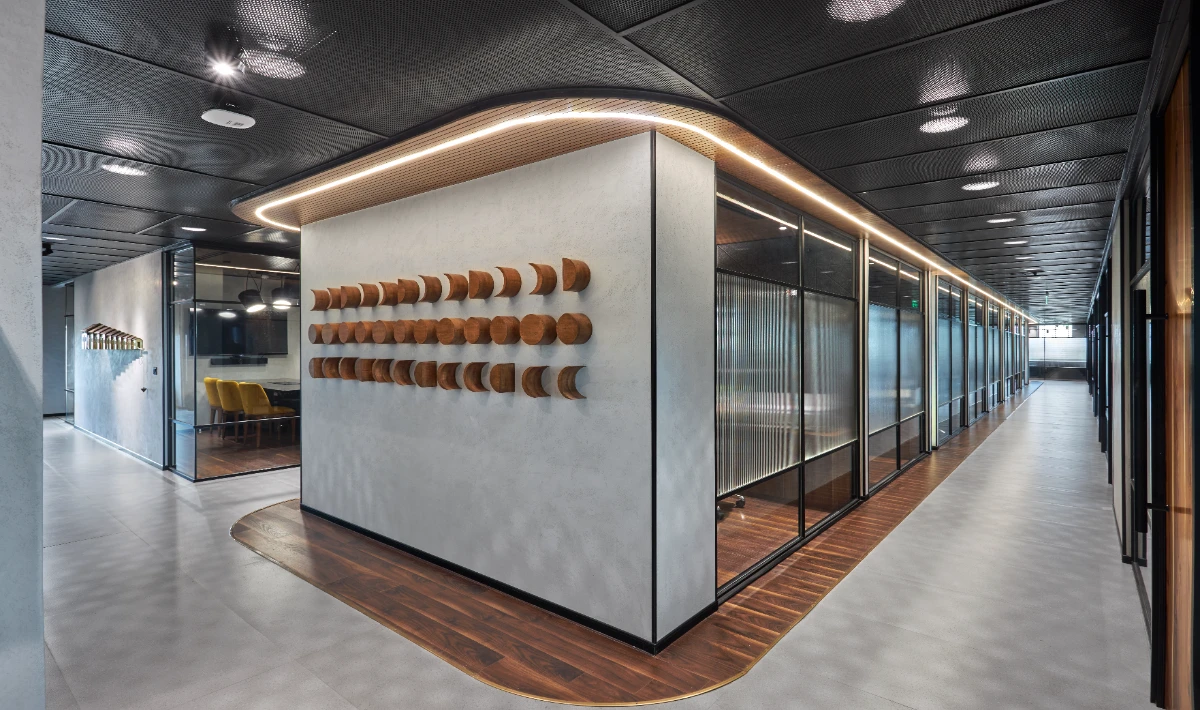
Emphasis helps create one main point of focus. It could be anything, such as some furniture, a wall or any other element. This helps to make the person read the space easily. Principles of design emphasis guide attention without making the room feel busy.
3. Rhythm
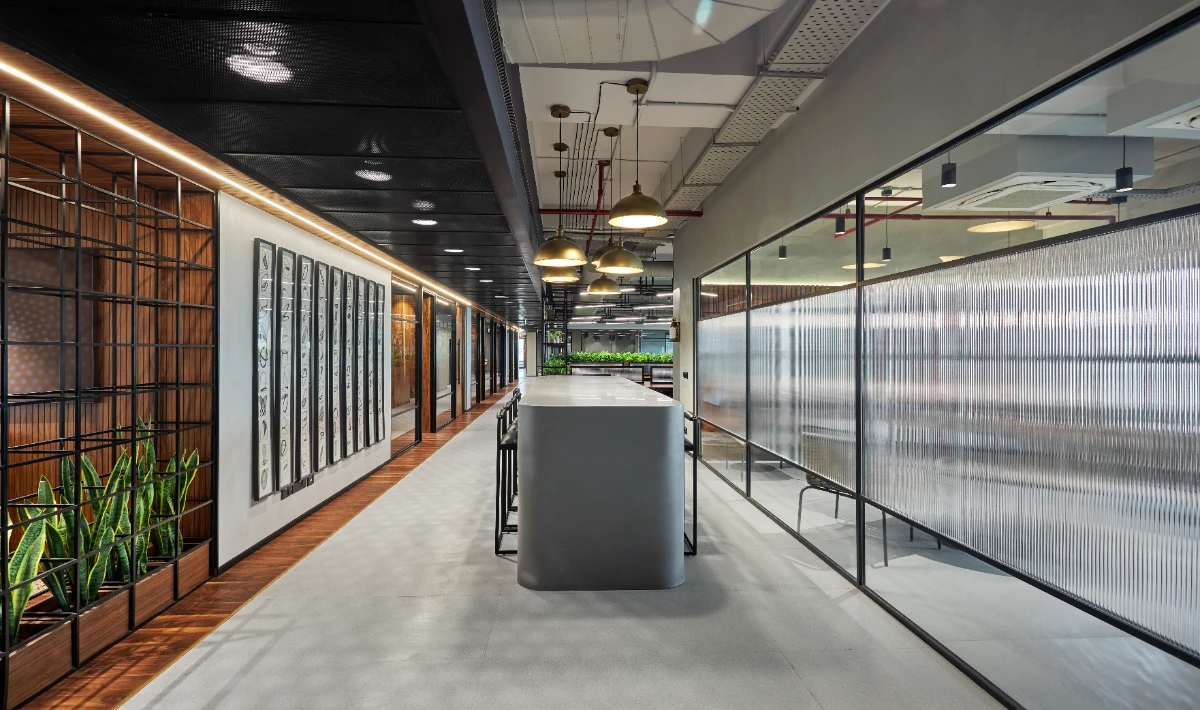
Rhythm helps with the movement aspect of the space. It works because the colours or shapes are used repeatedly. The eye movement is natural, moving from one area to another. Principles of design rhythm are really helpful in maintaining the visual flow.
4. Contrast
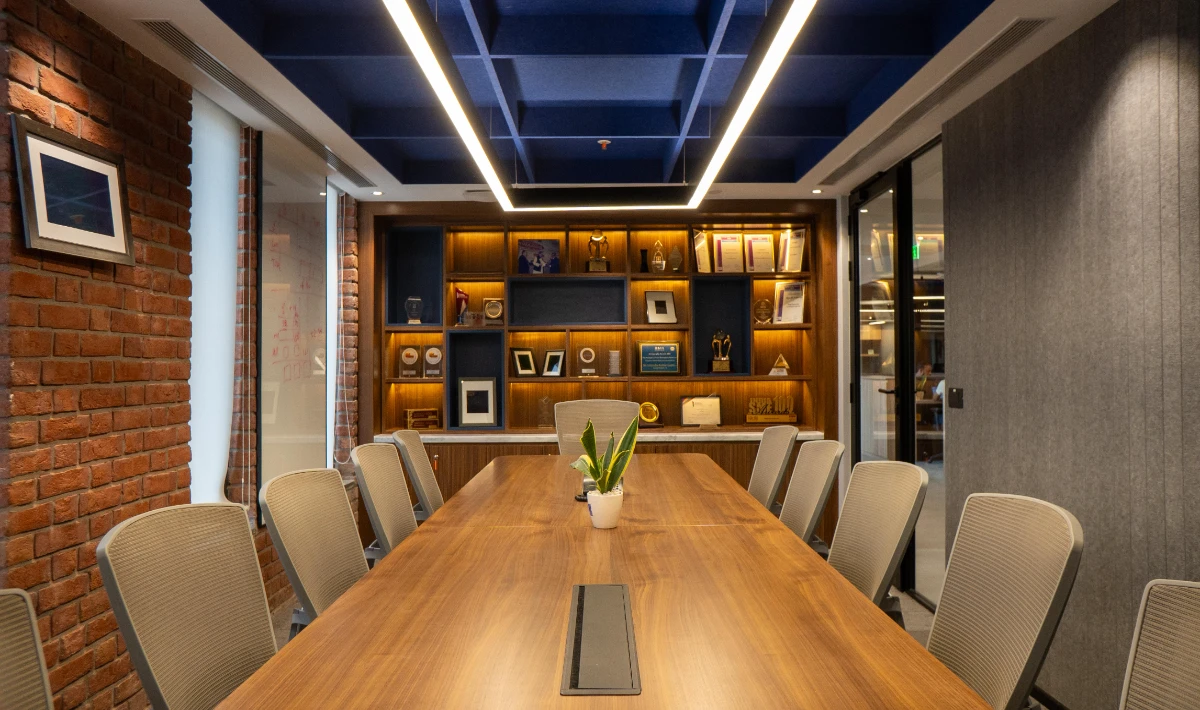
Contrast makes the room interesting and stylish. Light and dark elements work together to make the space look visually appealing. Contrast in principles of design helps keep the space interesting and not flat.
5. Harmony
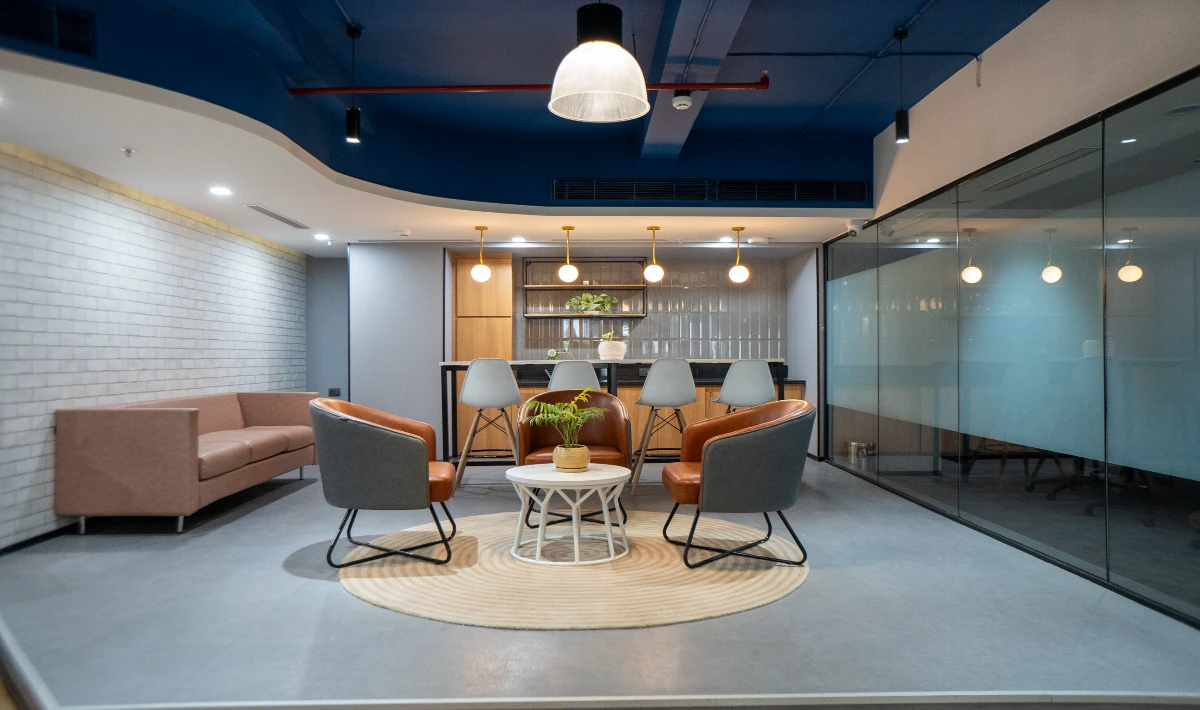
Harmony ensures that everything works together. Colours, materials, and finishes feel connected. There is no visual clash. This is the harmony principle of design in action.
6. Proportion
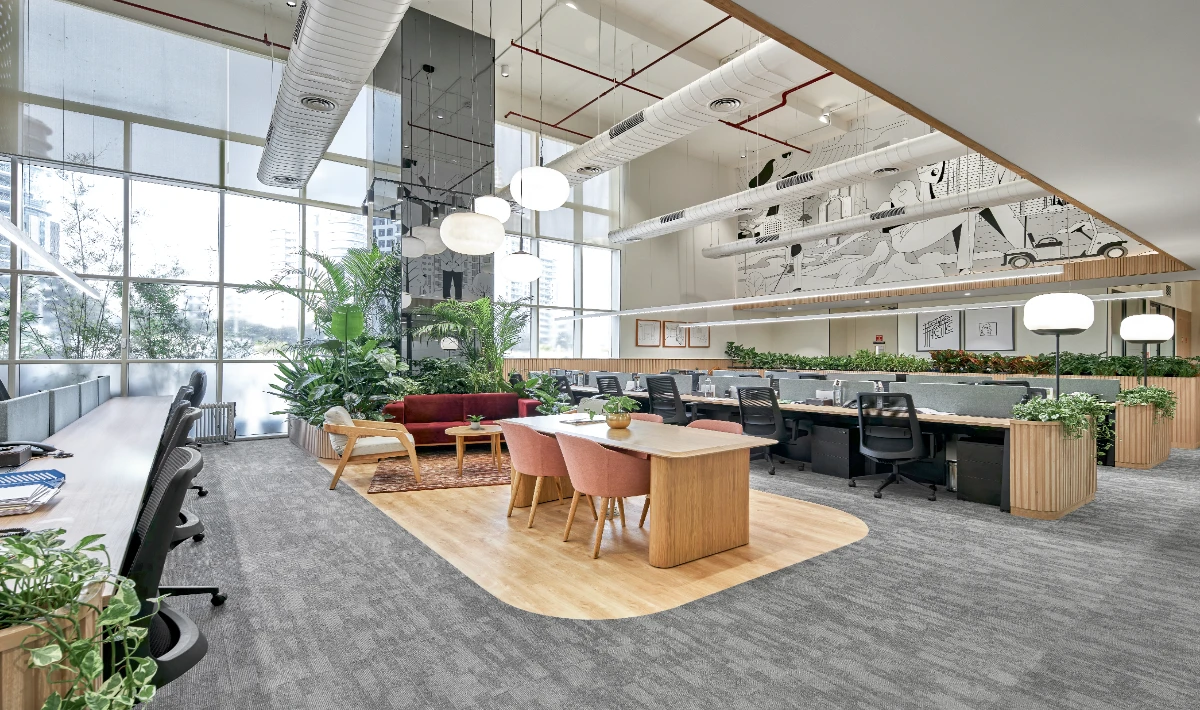
Proportion is one of the important principles which deals with the relationship of space. Furniture must suit the room size. Nothing should feel like it is too big or too small. Proportion in principles of design helps increase comfort and balance.
7. Unity
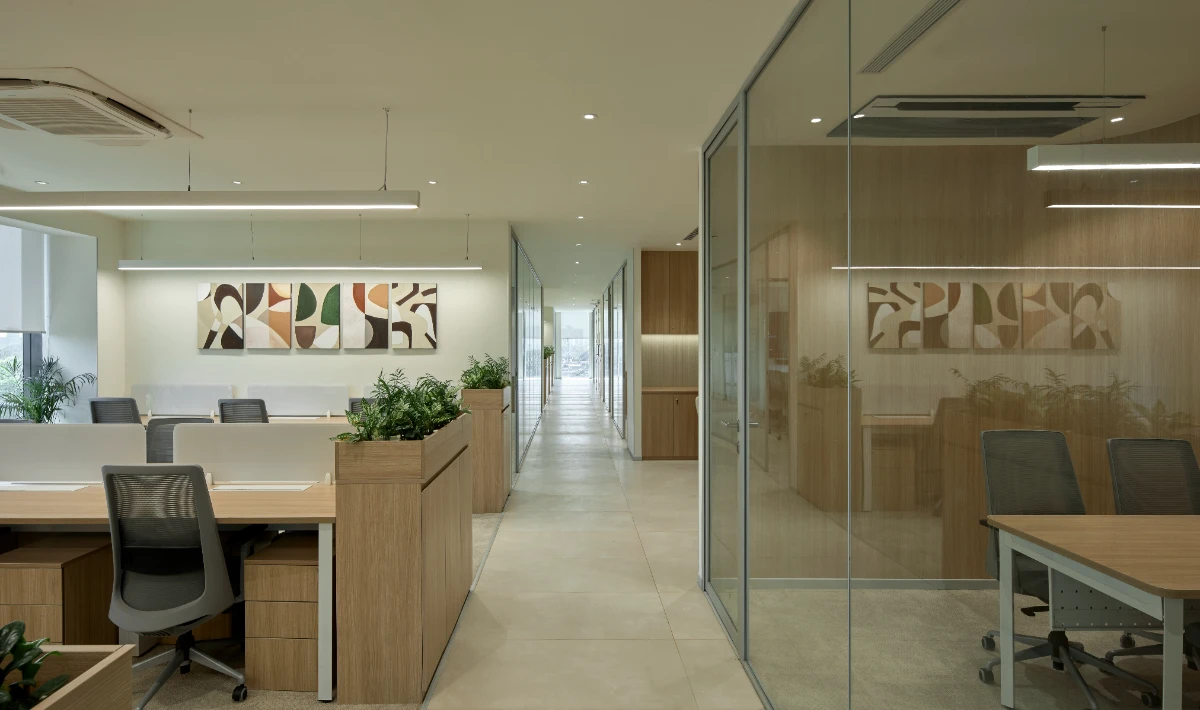
Unity helps keep the entire space together. Each element supports one idea and nothing more. This makes the room feel complete. The unity principle of design helps maintain consistency.
These principles together form the base of interior design basics.
How Do the 7 Core Elements of Interior Design Work
The elements of interior design are tools used to apply the principles. They define how a space looks and how it feels when used daily. The 7 core elements of interior design are mentioned below:
-
Space
Space controls movement and layout. Good spacing helps in avoiding clutter. It also supports the improvement in comfort.
-
Line
Lines guide direction. They shape how a space feels, flows and connects.
-
Form
Form refers to shapes created by furniture and structures. It gives physical presence.
-
Light
Light can affect the mood and visibility of the team. It is important to understand that both natural and artificial light matter.
-
Colour
Colour influences emotion. It helps create focus and calmness.
-
Texture
Texture adds depth. It prevents flat and dull surfaces.
-
Pattern
Pattern creates rhythm. These patterns should be used carefully to avoid overload.
Together, these elements and principles of design support strong interior design basic knowledge.
What are the Important Interior Design Tips
Interior design basics help spaces function better. These tips guide simple and practical planning. Take a look below:
- Start with the layout before decoration. It is already known that the layout defines movement and comfort.
- One should follow interior design basics and not take shortcuts. It is good for long-term value.
- Balance furniture size to maintain proper proportion.
- Use contrast only where it improves clarity.
It is recommended to add interior accessories only after the layout is final. Not only services, but even industrial interior design also relies on strong basics to feel intentional.
Conclusion
The principles of interior design help turn ideas into spaces that can support daily work and improve focus. When balance, rhythm, and unity are used properly, spaces feel natural. Planning becomes easier with a clear structure. It is important to understand the elements of design in interior design, as it supports long-term usability. Officebanao applies these principles to design interiors that meet real business needs and daily use.
Explore modern workspace interior designs with experienced commercial interior designers.