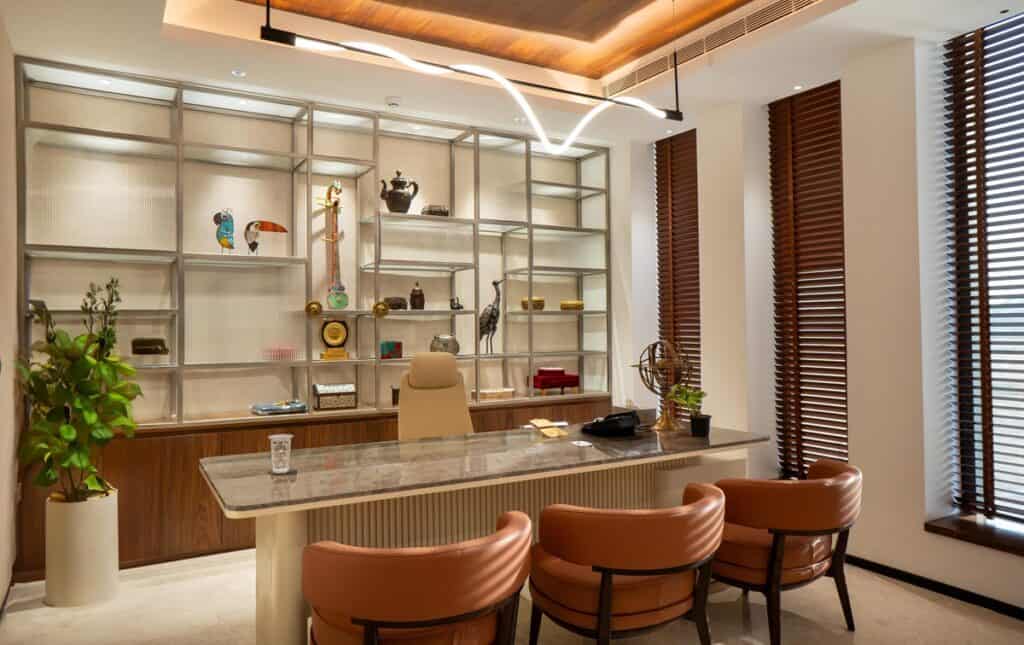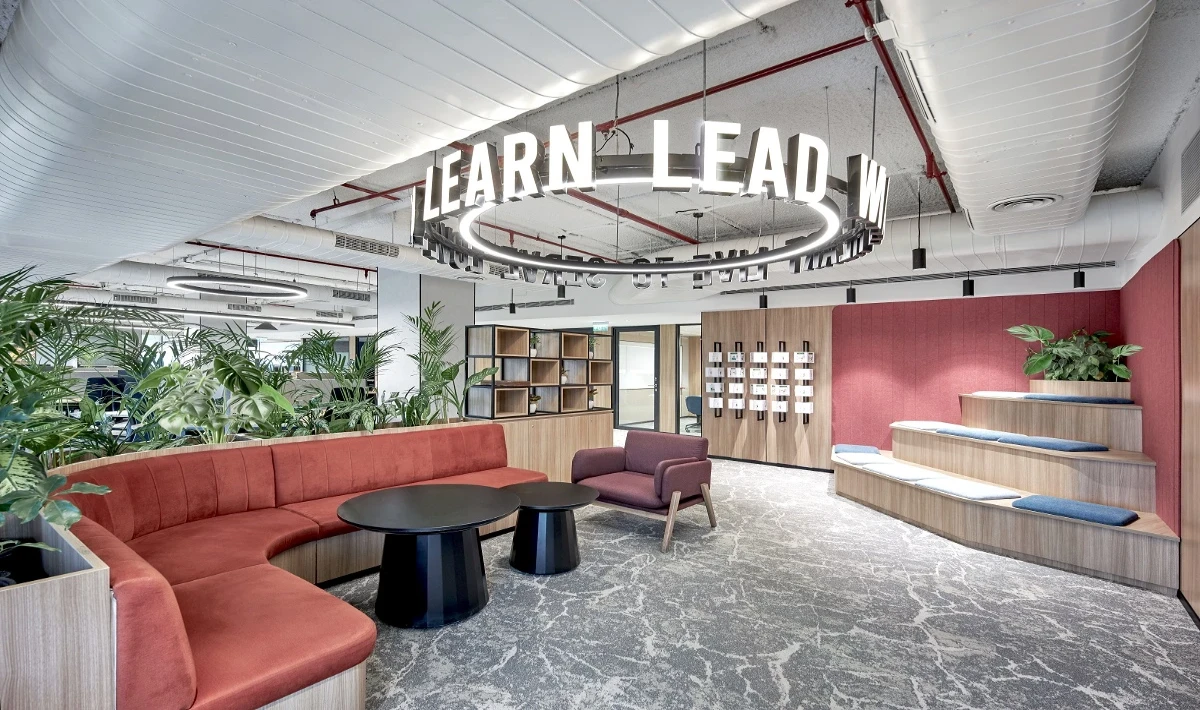
Open office vs cubicle is a choice many companies struggle with while setting up a workplace. Some teams like sitting together because talking becomes easier. Others want quiet spaces so that they can complete their work. Offices today are changing because work styles are different. Instead of copying one fixed setup, businesses are trying to build spaces that actually match how teams spend their day.
Planning a practical workplace? Refer to modern and stylish office interiors in Bangalore.
What is the Difference Between Open Office and Cubicle: Open Office vs Cubicle — A Quick Comparison
An open office design keeps employees together in one shared area. A cubical office design separates people using partitions and smaller sections. Companies comparing open plan office vs cubicle layouts usually think about simple things first. They look at noise levels, teamwork, privacy, employee comfort, and how much space is available inside the office.
What is an Open Office Design?
The open office’s meaning is easy to follow. Employees sit together instead of working in separate cabins. The workspace feels open due to a smaller number of walls, and teams communicate easily. Today, many startups prefer an open office design, which makes communication easy and at the same time helps with complex tasks getting done without much effort.
A modern open plan office includes not only chairs and tables, but lounge-type seating and meeting corners for collaboration among teams.
What is a Cubicle Office Design?
A cubical office design breaks the office into smaller work areas. Each employee gets a dedicated spot with partitions around it. A cubicle means a partly closed workspace inside a larger office floor. The term cubical vs cubicle often appears online because people confuse the words while searching. In office planning, “cubicle” is the correct term.
Cubicles are still common in support offices, finance teams, operations departments, and customer service floors.
What are the Pros and Cons of Open Office and Cubicle
Take a look at the pros and cons of an open office and a cubicle mentioned below:
Pros of an Open Office Design
- Open offices help employees speak to each other more easily during the day. Small discussions happen naturally without formal meetings.
- This setup also saves space, which is useful for companies growing quickly.
Cons of an Open Office Design
- Noise becomes a problem in busy offices. Conversations and phone calls may disturb employees trying to focus.
- Not every employee feels very comfortable discussing things on an open floor. They may require some privacy.
Pros of a Cubicle Office Design
- Office cubicles help in improving employees’ focus because there are fewer distractions to think about.
- The cubicles not only help with focus, but they also keep the element of privacy intact. Employees feel secure during meetings or while taking calls.
Cons of a Cubicle Office Design
- Too many cubicles can make an office feel boxed in after some time. Employees may interact less during daily work.
- Cubicle layouts may also need extra materials and planning during installation.
What are the Key Factors that Differentiate Open Office from a Cubicle
The key factors that determine whether an open office or a cubicle should be preferred are mentioned below:
1. Productivity and Focus
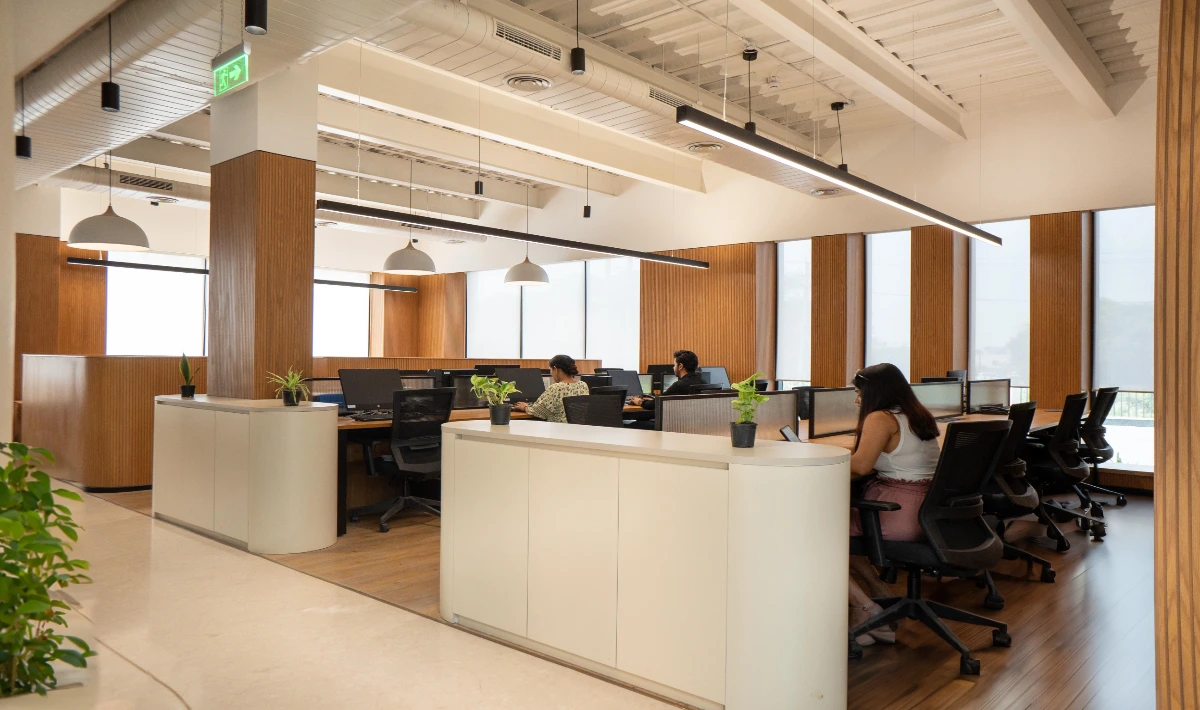
Cubicles usually help people focus because there is less distraction nearby. Open offices work better if teams are required to communicate all day.
2. Collaboration and Communication
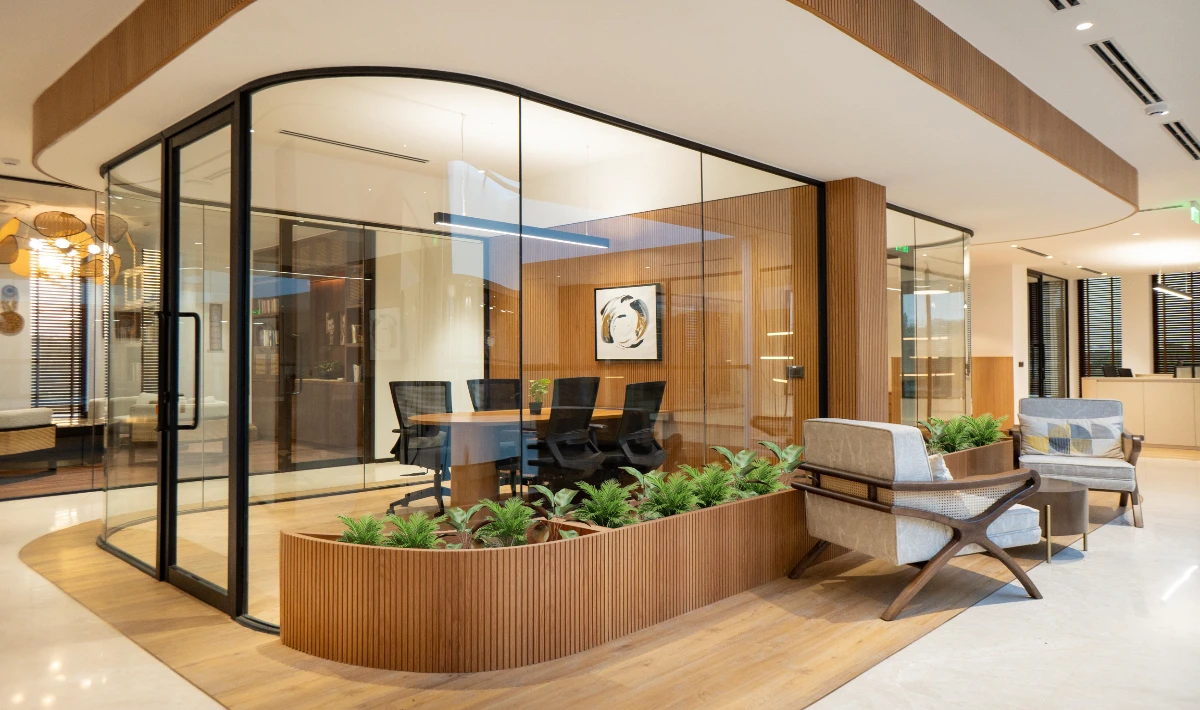
Open layouts make teamwork feel easier because employees sit closer together. This is why many startups prefer open spaces.
3. Privacy and Confidentiality
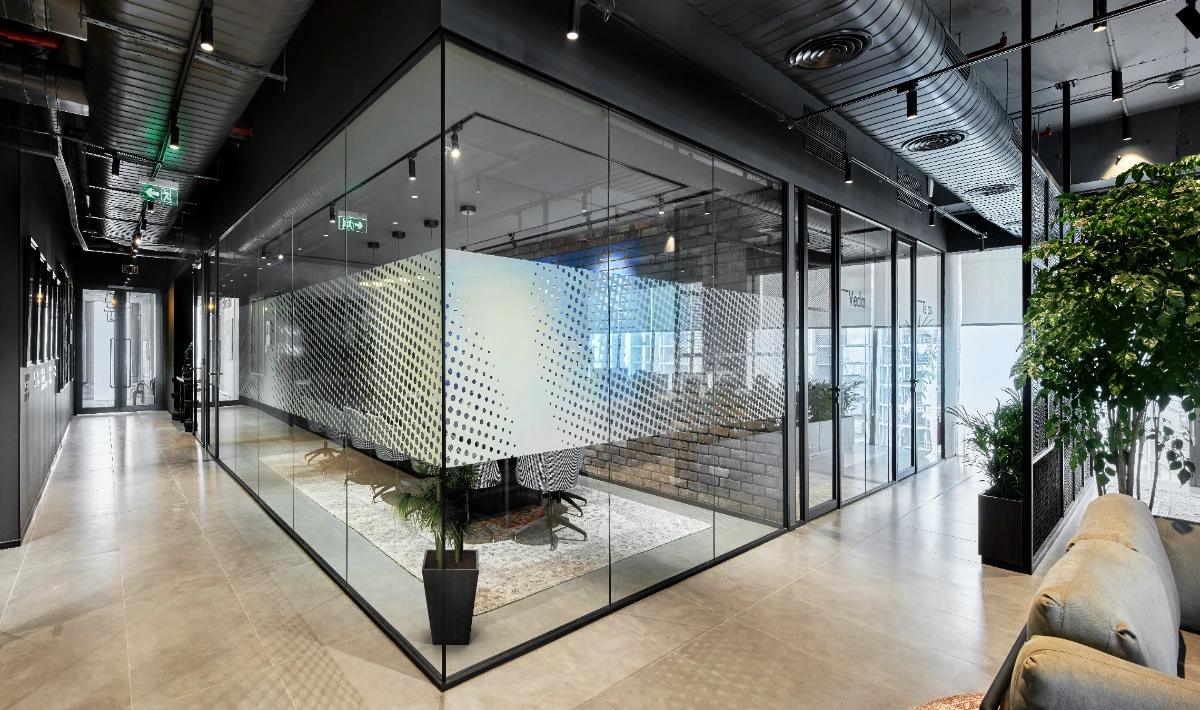
Cubicles are liked by teams such as Finance, HR, and Legal, as their work is highly private and confidential.
4. Cost and Space Efficiency
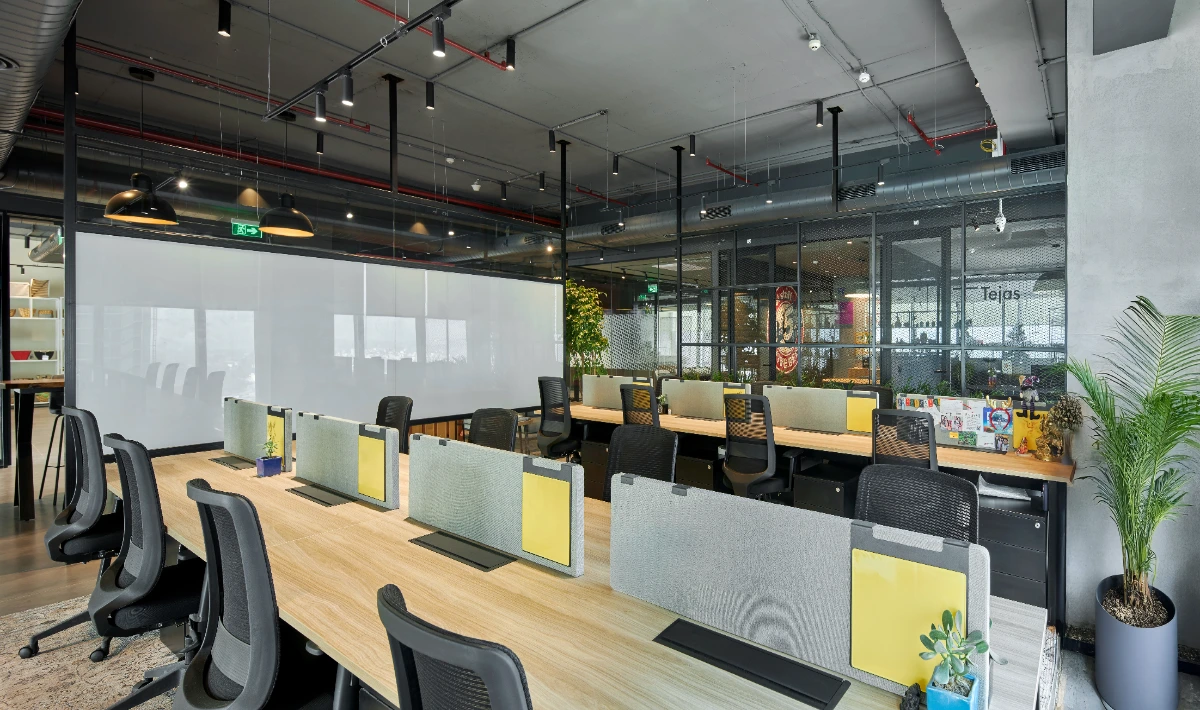
Open offices do cost a lot less as there are limited partitions and not much redesign is required. More employees can be seated in less amount of space.
5. Acoustics and Noise Control
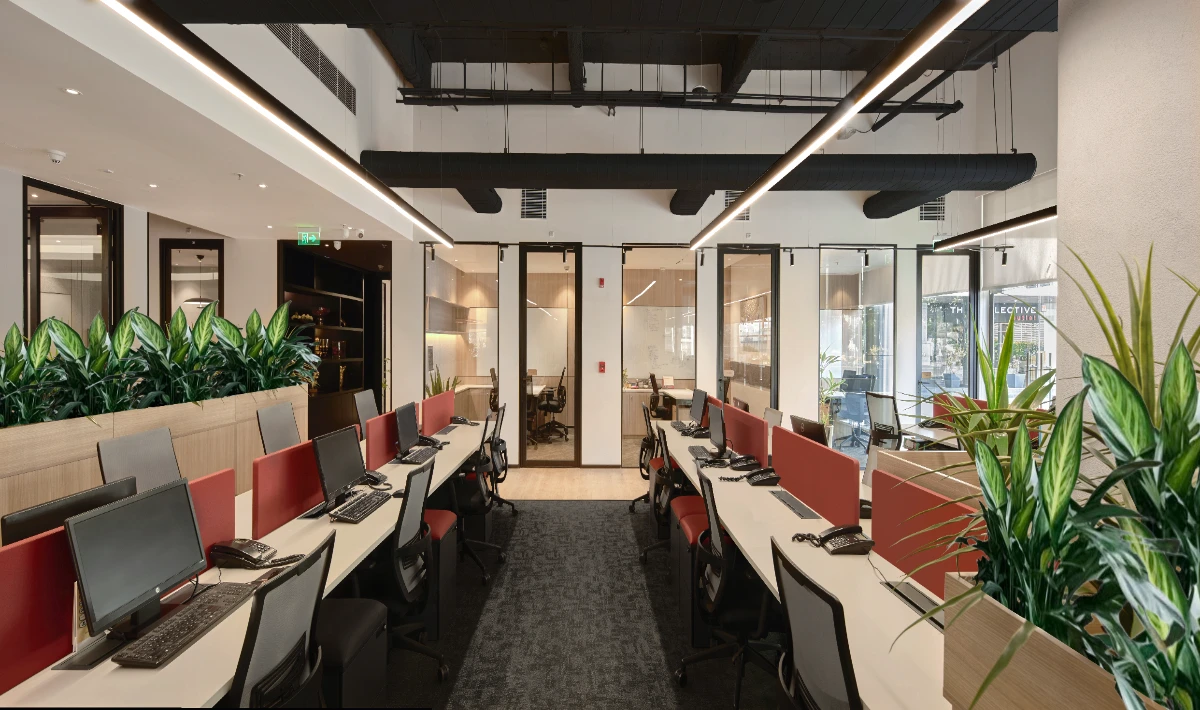
Cubicle partitions make sure that sound is not a disturbing factor. Open offices need to take many measures to control noise.
6. Employee Wellbeing and Satisfaction
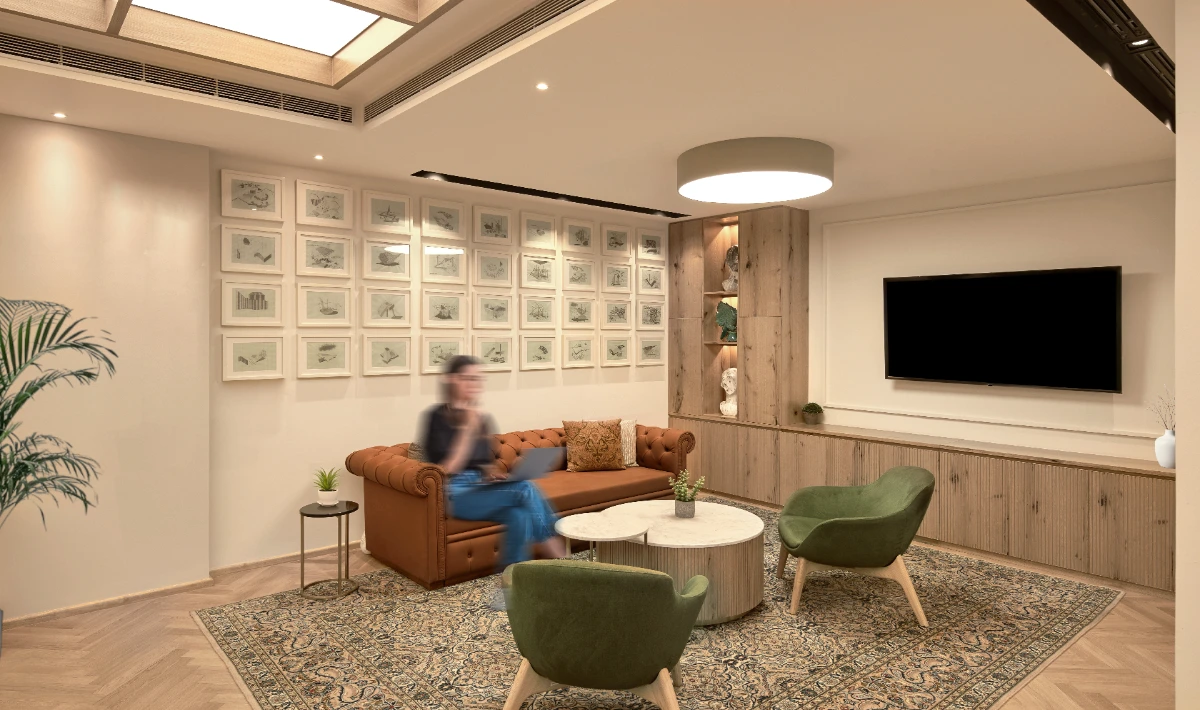
Some employees enjoy lively offices with constant interaction. Most of the employees want a space of their own where they can focus without any disturbance.
7. Hybrid-Work Readiness
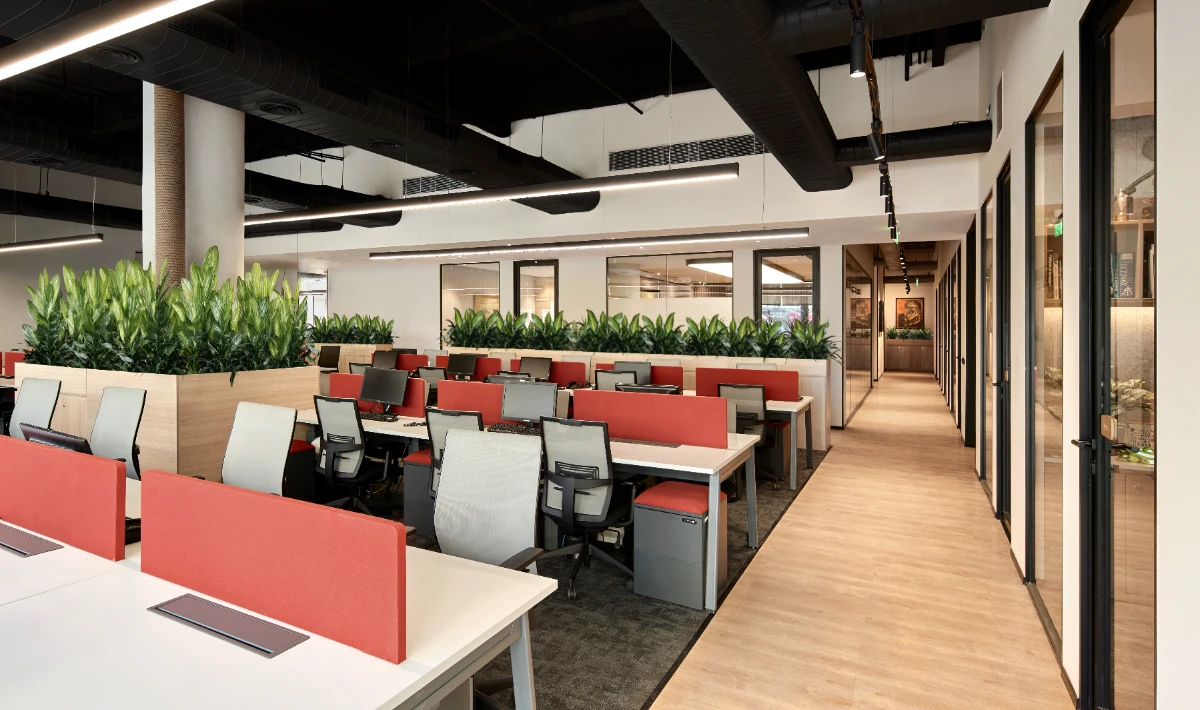
Hybrid offices usually mix open seating with meeting rooms and quiet booths. This way, different work styles exist together.
8. Brand and Culture Signal
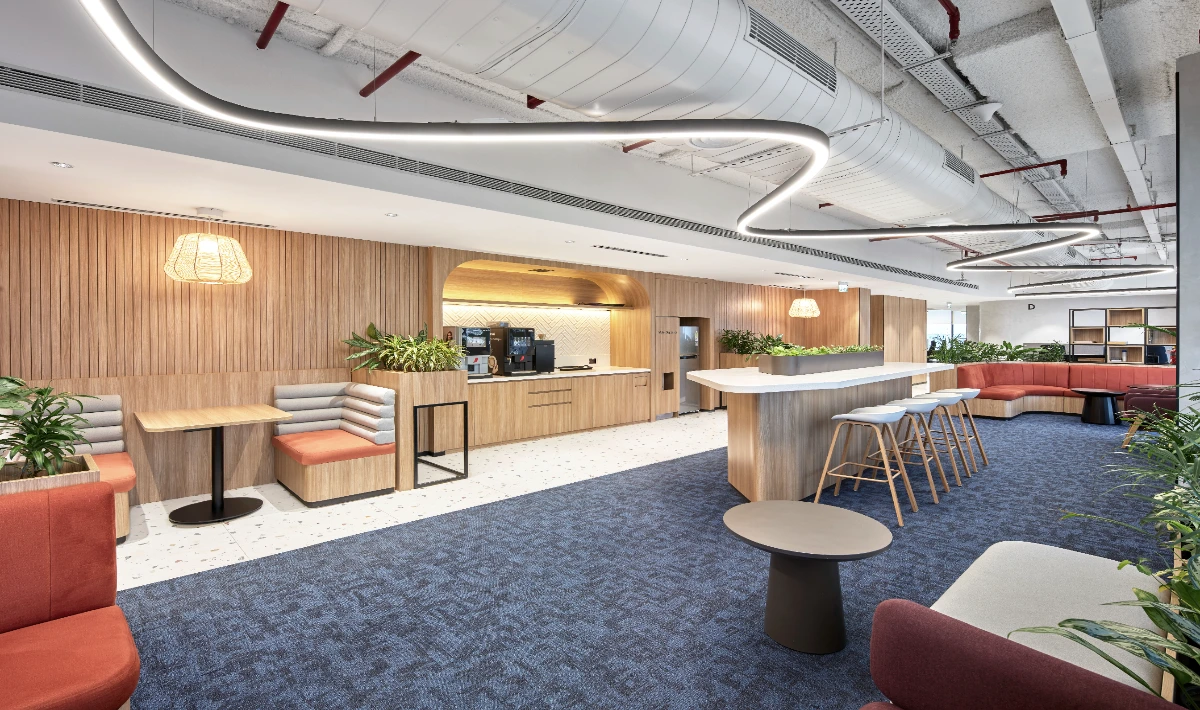
Open offices have a modern touch and seem to be novice in nature. Cubicle offices are more structured and give off a formal feel.
What is the Cost of Building an Open Office or a Cubicle
Open office layouts usually cost less because they need fewer partitions and simpler workstation planning. Basic setup can cost somewhere between INR 1,200 and INR 2,500 per sq. ft. It changes with various factors such as the material used, customisation, and other factors.
Cubicle setups may cost more due to a lot of partitions and a complex layout. Modular office cubicles will most of the time have a high cost. Compare all elements before doing the office vs cubicle layout analysis.
Which Industries and Teams Should Choose Open Office or Cubicle Layout
The list of industries and teams is mentioned below. In the end, everything comes down to the nature of work.
1. Open Office: Creative, Sales, Marketing,g and Startups
Creative teams and sales employees often work better in spaces where communication feels quick and natural. Startups also prefer open offices because coordination becomes easier.
2. Cubicles: Legal, Finance, BPO and Customer Support
Finance, Legal, BPO, and support teams prefer cubicles as they help with privacy and focus on their work.
3. Hybrid Mode: IT, Consulting, and Most Modern Workplaces
Many IT and consulting companies now want this set up so that work can be completed promptly, while teams get a chance to interact with each other as well.
How to Choose the Ideal Layout for Your Team
Businesses should first understand how employees actually work every day. For detailed work, cubicles should be preferred. Open offices are best for collaborative work.
Why Most Modern Offices Combine Both for the Hybrid Layout
Most workplaces no longer follow only one office style. Corporations today use a mix of open seating with cubicles, meeting rooms, and quiet rooms. This setup allows employees to communicate easily while still having spaces for focused work. Hybrid layouts also help businesses with future office changes.
What Common Mistakes Should One Avoid When Choosing an Office Layout
Many companies choose layouts because they look attractive online. Later, employees start facing noise and privacy problems during daily work. Using too many cubicles can also make offices feel dull and disconnected. Offices usually work better when layouts stay balanced instead of being extreme.
Conclusion
The open office vs cubicle debate will always take place when a business gets a new office space. The selection should depend on how employees work every day. Based on the way teams work and their responsibilities, the final decision should be made.
Officebanao not only helps businesses close this debate of open office vs cubicle, but also creates practical workplaces based on team size, workflow, and future needs.
Build smarter offices with expert office interior design India solutions.