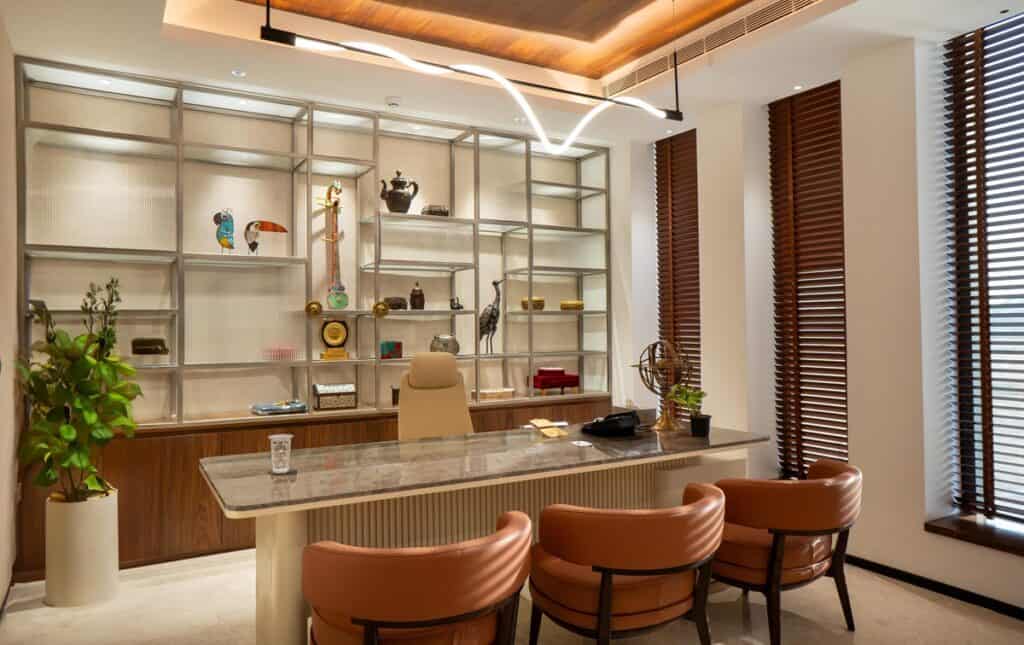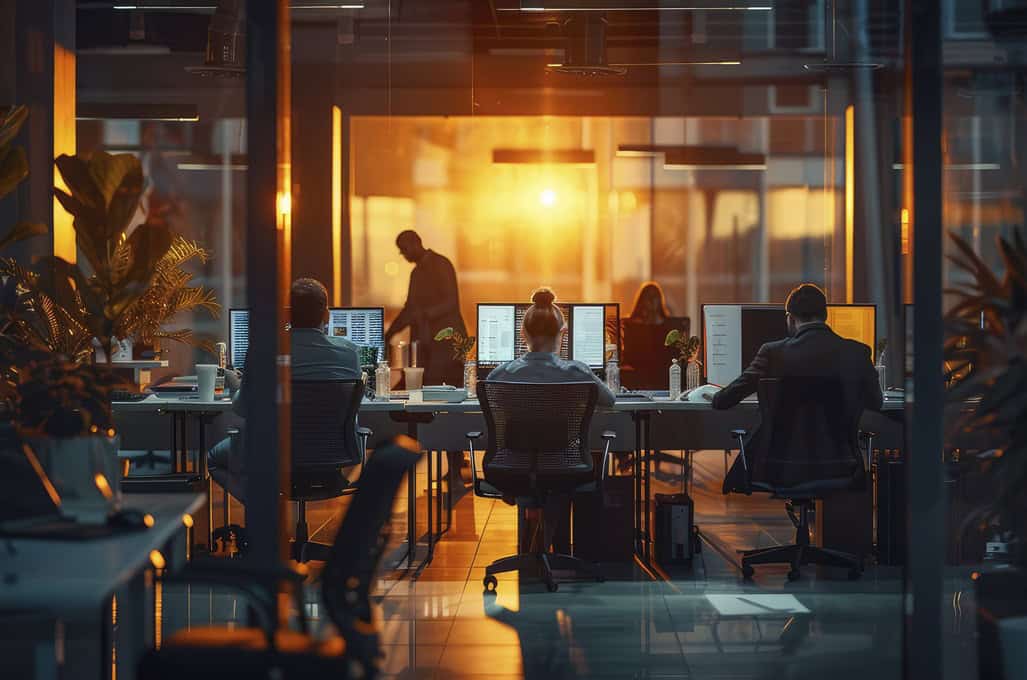
The role of office design is no longer that of a simple, functional space in today’s fast-moving business environment, but it’s evolved to create employee well-being. Employers more and more realize the power of impact a thoughtfully designed office has on health, productivity, and overall happiness of the workforce. This Blog explores the crucial link between office design and employee well-being-from how the physical workspace may impact mental and physical health or productivity to eventually shaping company culture.
The Importance of Well-being of Workers in the Workplace.
Well-being at work spans far beyond health insurance or free gym membership. It is holistic in nature, ranging from the physical to the mental, emotional, and social aspects of work life. A well-designed office can help achieve all these perspectives by providing an environment that reduces stress, gets people more focused, and nurtures healthy habits.
Studies continue to prove that when employees feel better, they perform better. In fact, according to studies conducted by the World Green Building Council, productivity can rise as high as 11% when staff work in settings promoting their welfare. Furthermore, contented employees mean happy, more creative employees who have a higher productivity rate, are more loyal to their companies, and less likely to quit.
How Office Design Affects Employee Wellbeing

Natural Light and View Opportunities
One of the biggest office variables to affect the wellness of workers is natural light. Exposure to daylight directly regulates the circadian rhythms, promoting better sleep and reducing levels of stress. Workers who work in offices with large windows that let in plenty of natural light also report higher job satisfaction and productivity. The ability to view nature or an outdoor space further improves mood, creativity, and mental clarity.
Ergonomic Furniture and Layouts
Ergonomics is vital for good physical health in the workplace. Poorly designed furniture could cause discomfort and fatigue, even long-term health problems, such as musculoskeletal disorders. Having merchandise related to ergonomic office furniture, such as adjustable desks, chairs with lumber support, and even footrests, helps promote good posture and reduces the possibility of injury. Similarly, designs that allow more mobility-even using standing desks or collaborative areas-can help employees break through the block of time spent sitting, therefore reducing the risk of harm caused by sedentary behavior.
Also Read : Key Elements of Office Renovation Services
Biophilic Design and Integration of Nature
Biophilic design incorporates natural elements into the office environment, a trend that has really gained widespread popularity. Features such as plants, water, and natural materials enhance aesthetic appeal but also contribute to psychological well-being. Plants, in particular, clean the air and reduce stress levels while maintaining a calming atmosphere. An office incorporating biophilic design has the potential to make its employees feel closer to nature, which could reduce feelings of burnout and increase job satisfaction.
Quiet Zones and Breakout Spaces
The future of work environments needs to balance collaboration and solitude. However, open office formats have proven ideal to nurture collaboration but have also caused distractions and overstimulation. Companies can minimize the levels of stress and further increase productivity by building quiet zones and breakout spaces where employees can retreat to work or relax. Employees will have the freedom to choose as they wish and where to work; the freedom may lead to increased gratification and better mental health.
Temperature and Air Quality Control
Air quality tends to be an overlooked but critical component of office design. The effect it can cause on people includes symptoms of fatigue, headaches, and respiratory issues that are productivity- and wellbeing-depressing in nature. Good ventilation systems and proper air circulation make a great deal of difference with investment in those areas.
Besides, it is very important to control temperature-working in very hot or very cold spaces causes discomfort that decreases focus and increases stress. Enabling them to adjust their immediate environments or setting an optimal temperature could permit comfort and well-being.
Color Psychology and Lighting
The colors and lighting in an office can also have much to do with the mood and energy levels.
The cool colors, such as blues and greens, are generally perceived to relax one’s senses, while warm tones, like yellows and oranges, generate energy and zest. Properly designed lighting can attractively present the building and room environment, apart from offering properly illuminated workspaces. Much like beacons, well-designed lighting-either naturally available or artificially created-involves the creation of an inviting atmosphere that basically heightens alertness. Soft, warm lighting can induce relaxation in break rooms; brighter and focused lighting would be more appropriate for working areas.

Conclusion
Office Design as an Employee Wellbeing Approach Office design, originally focused on mere aesthetics, has grown to become critical in employee well-being and business performance overall. Companies can craft environments for health, happiness, and productivity to create healthy workplaces where employees will thrive. From branded ergonomic furniture to unhindered exposure to natural lights, quiet zones for a focused approach, and many more, the connection between office design and wellbeing is undeniably strong. Investing in inconsiderate office design is investing in the well-being of the most valuable asset: your employees.