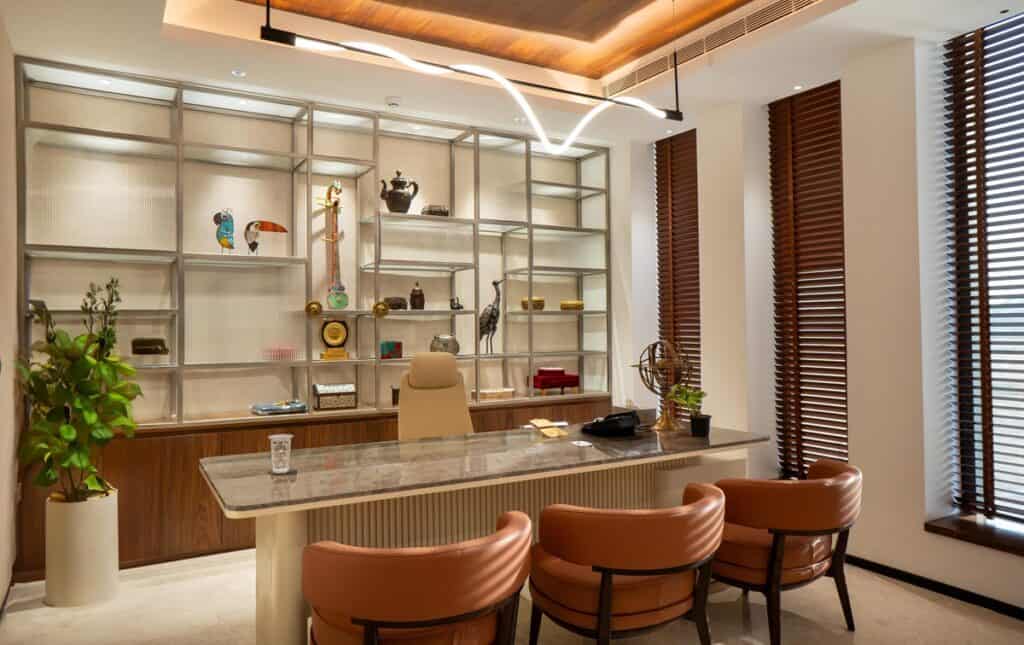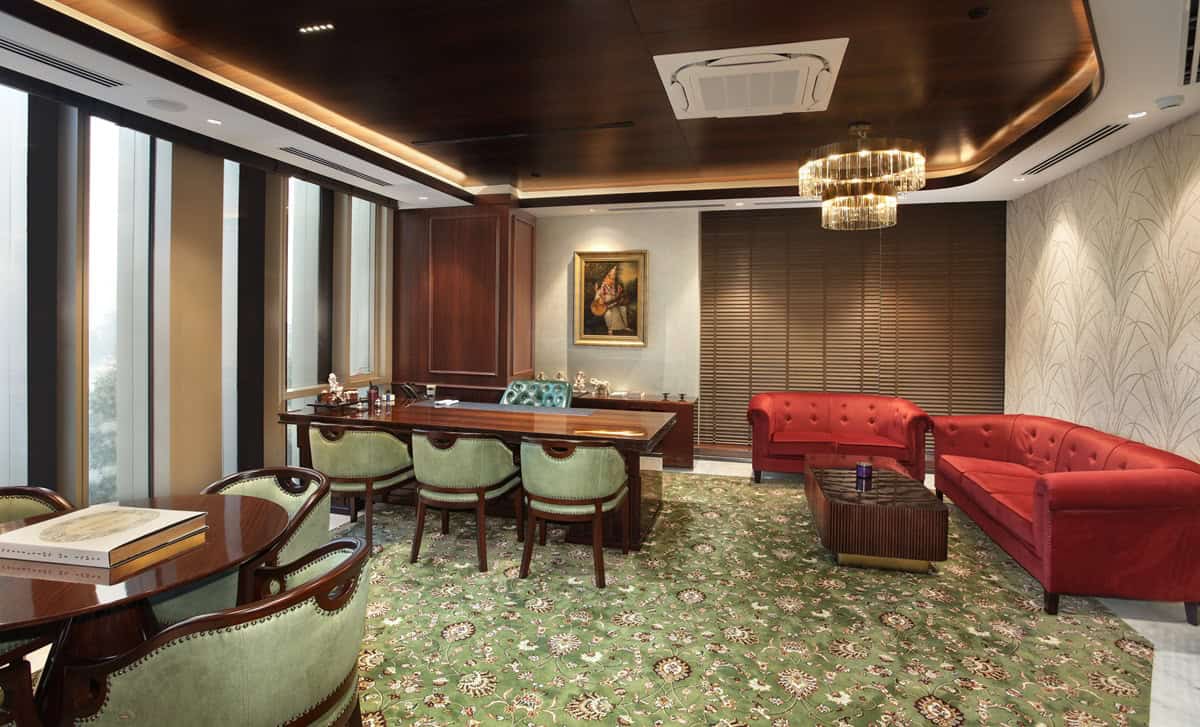
The layout of a law office is central to its efficiency, professionalism, and the general experience of clients and staff. It sets the work culture, influences productivity, and makes sure the office works seamlessly.
In this blog , we will go through some unique designs for law office layouts that meet manifold needs-from confidentiality-ensuring private offices. Compiled together, these combine functionality, professionalism, and style in one package. Whether your preference is traditional, modern, or a mix of the two. this guide will give you inspiration while making an office that improves productivity and leaves a lasting impression.
Private Attorney Office Layout
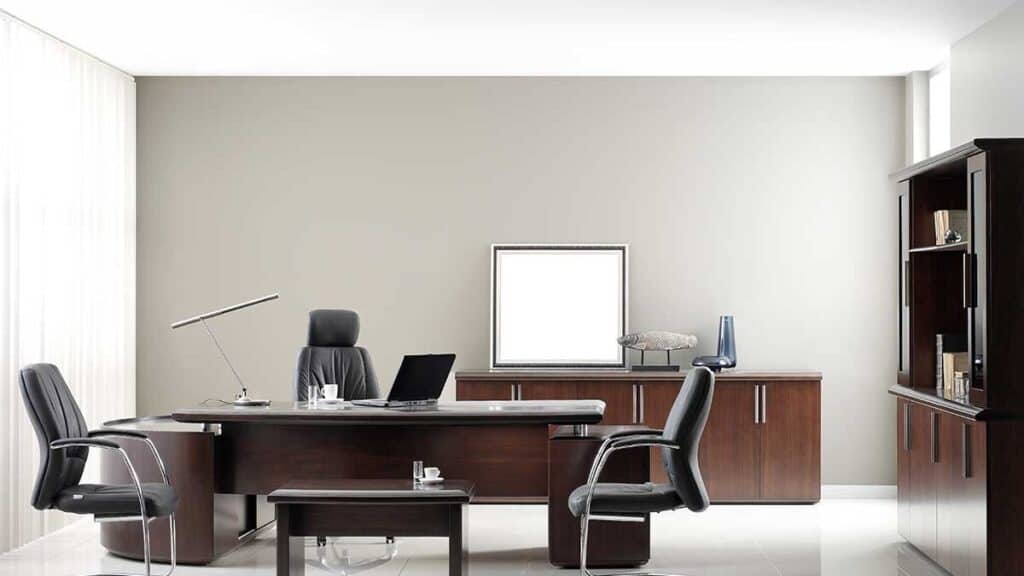
A private attorney office layout is quite important in ensuring confidentiality and providing attorneys with quiet, undisturbed areas to work. Indeed, each attorney has a private enclosed office that offers them a secure environment where they can meet with clients and handle sensitive documents. Such offices may be equipped with desks, filing cabinets, and comfortable seating for consulting with the clients. The private nature of these spaces enables lawyers to focus on tasks that require attention to detail and privacy.
Client-Friendly Office Reception Area
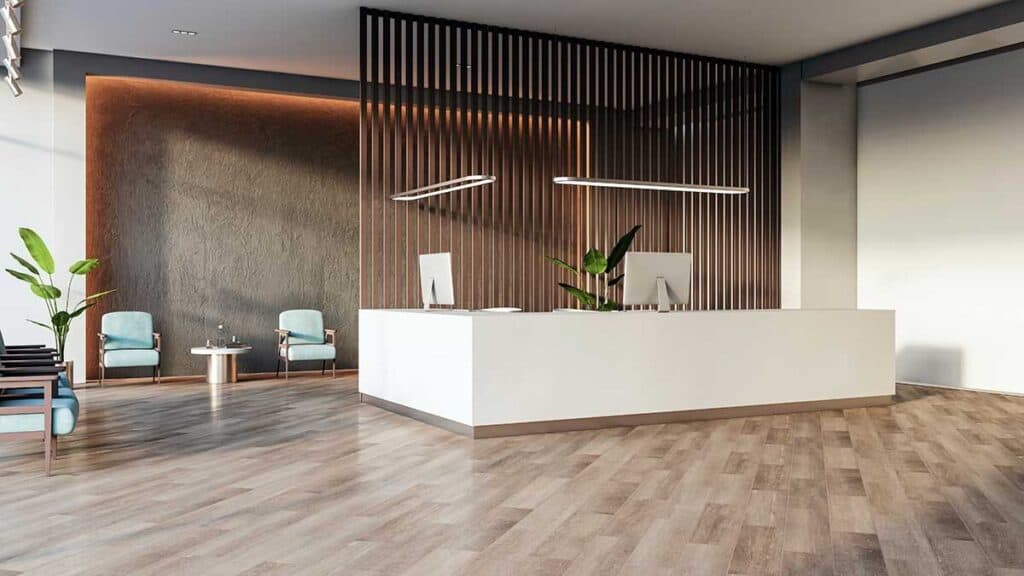
A very nice and professional reception area can be considered the first reception area for clients. As will probably be expected, a customer-centered reception area would sport a sleek reception desk into which clients can check in. Comfortable seating has been provided for clients who may need to wait.
It is even enhanced with information brochures, magazines, or screens showing the services or achievements of the firm. A well-arranged and time-efficient reception makes clients feel valued or taken care of and their time respected.
Also Read : 7 Inspiring Office Entrance Wall Designs
Hierarchical Office Layout

The hierarchical office setting simply projects the firm’s organizational chart: senior partners have private and larger offices at the back or in prime locations along with meeting space, while more junior associates or support personnel make use of open-plan or cubicle arrangements. This design visually suggests the chain of command in a way that creates order, respect, and a certain sense of decorum.
While it may limit collaboration across levels of staff, it certainly does provide clear divisions for space based on the variations in work responsibilities.
Corner Office Layout
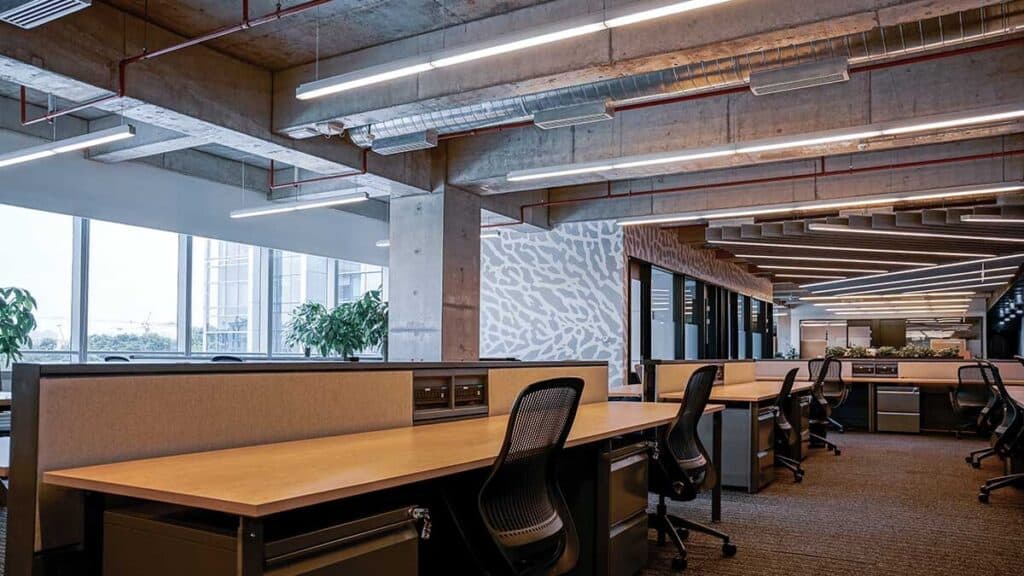
Normally in law firms, a corner office for senior partners is a matter of pride. These offices are larger and placed in the prime corners of the building to provide panoramic views, enabling senior attorneys to have quiet, private space while remaining visible and accessible to clients and staff. Since such a design for a corner office can accommodate a greater desk, an area in which to seat visitors, and custom furnishings, befitting the role, it’s an expression of authority, seniority, and status.
Law Firm Conference Room Layout
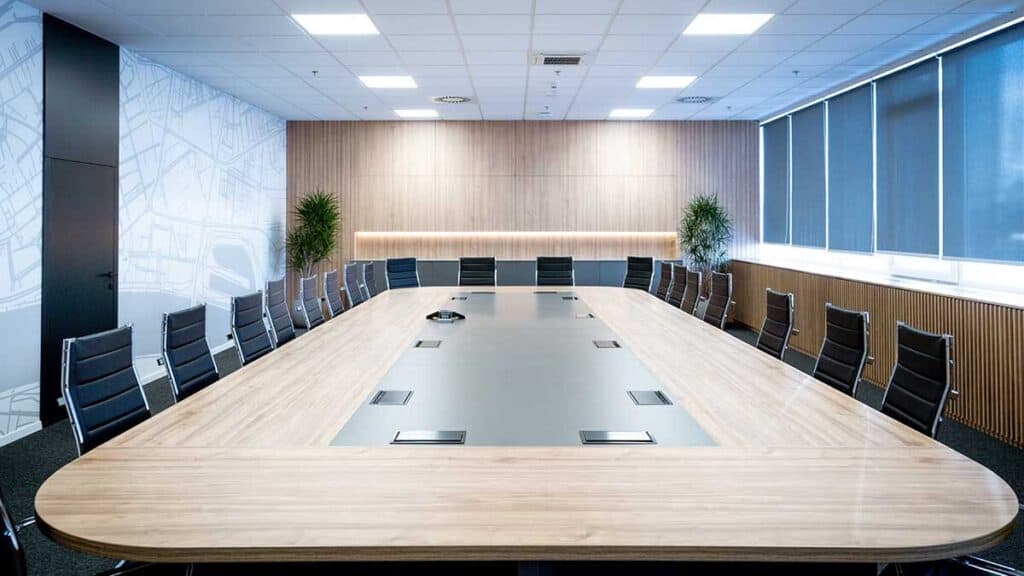
A conference room is the heart of every law firm, where huge deliberations concerning clients are dealt with, as well as internal planning and depositions. It includes, amongst others, a large discussion table for groups of high-class seating, at times with modern technologies like projectors, flat-screen TVs, or teleconferencing equipment. These are conference and meeting rooms that should be suitably equipped for both physical and virtual consultations where the lawyer may have to present case files, give presentations, or even negotiate sensitive issues.
Also Read : 8 Interior Design Ideas for a Conference Room
Open-plan Office Layout
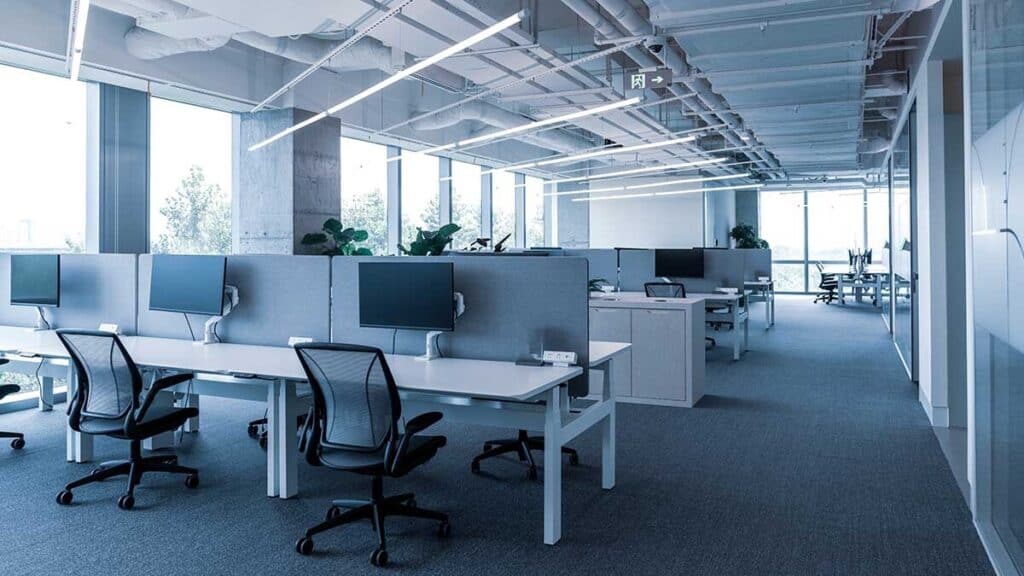
Open-plan Office Layout Large, shared rooms are the defining features of an open-plan office layout that allows attorneys, paralegals, and administration to work together in a much more open and collaborative environment. This design does without the walls and partitions between desks to enhance communication, teamwork, and flexibility.
An open layout evokes a less formal work atmosphere, which can be ideal for firms focused on modernity and inclusiveness. Although it does enhance collaboration, it may create noise control and privacy problems for confidential discussions.
Setting Up a Virtual Office
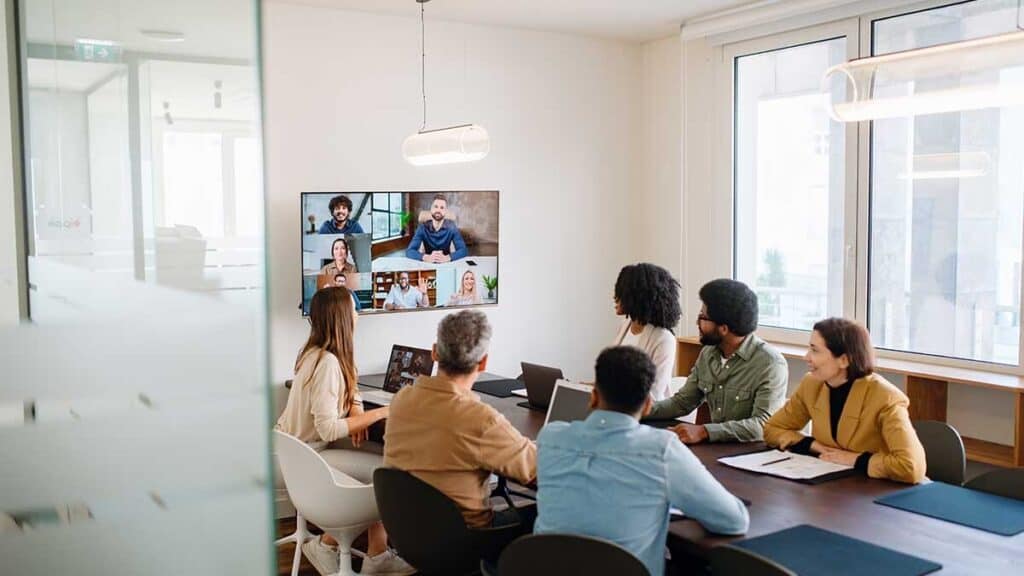
A virtual office layout will provide all the tools required for digital communication and document sharing in case some workers or clients are working remotely. The virtual office uses a robust digital infrastructure as the core to enable lawyers to work from any location.
Video conferencing tools, secure file-sharing systems, and remote access to case files are among those used by law firms offering virtual consultations. This layout suits a more contemporary approach to the practice of law, especially for firms serving international clients or specializing in the practice of technology-related law.
Conclusion
The design of a law office is not simply about what looks good but creating an effective, efficient, professional environment to help you satisfy the needs of both your legal team and those of your clients. From maintaining the confidentiality of the clients’ information to attorney collaboration or keeping the clients at comfortable spaces while waiting, everything will change according to the structure that was chosen, with considerable variations in success between different scenarios.
From private offices to collaborative spaces, each single element of design has been brought into play in assuring smooth operations and, above all, a good client experience. By carefully considering these layouts, you will be able to maximize the efficiency of your law office, boost employee morale, and elevate your firm’s professionalism.
Whether you’re looking to have a professional design, an excellent layout for your law offices or would like to customize a space to best suit your firms’ needs, look no further than Officebanao. As one of the leading office interior design services, Officebanao creates customized working spaces by infusing it with the company culture and goal alignment. Whether you want an open team space or attorney offices, they can walk you through in designing a professional law office that increases functionality and enhances customer experience.