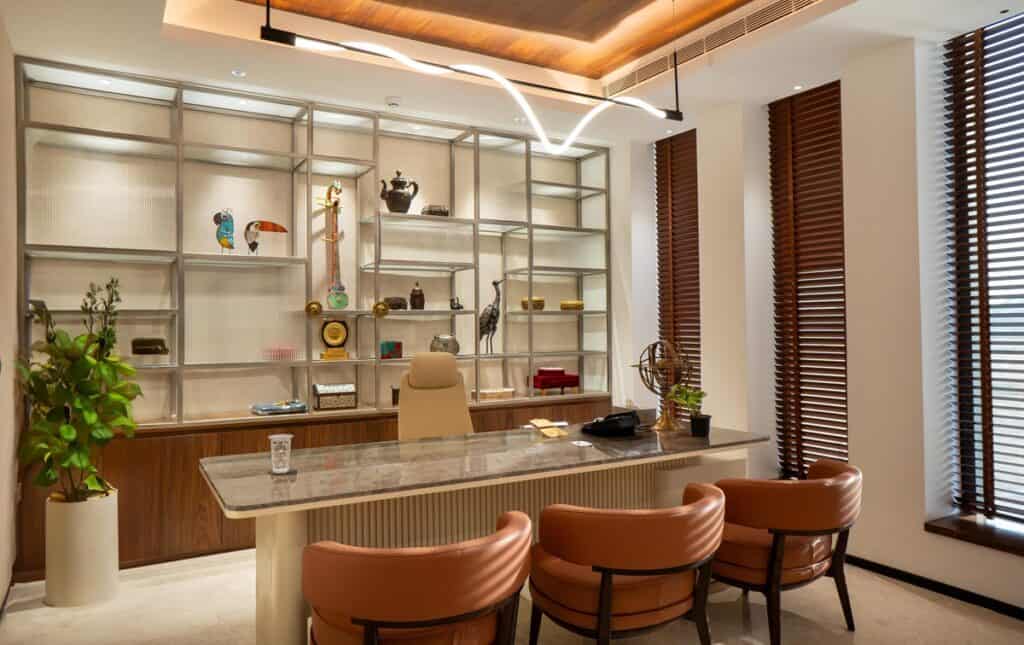
Office layout design plays a quiet but powerful role in how people experience work. It affects how easily someone starts a task, how often they feel interrupted, and how comfortable they remain through long hours. This is not about dramatic interiors. It is about removing small daily obstacles. When layout planning is done with care, movement gets easier, noise is kept to the minimum, and focus gets better. A good layout works in the background and lets work take centre stage.
Planning a workspace refresh? Speak with the best office interior designer in Delhi.
What is Office Layout Design?
Office layout design refers to the planning of how furniture, rooms and equipment will be arranged so that movement isn’t restricted and teams can work comfortably. It is an essential element of office interior design.
What are the Top 10 Office Layout Design Ideas
Good layout ideas are often simple. Their impact shows over time, not at first glance.
1. Clear Paths
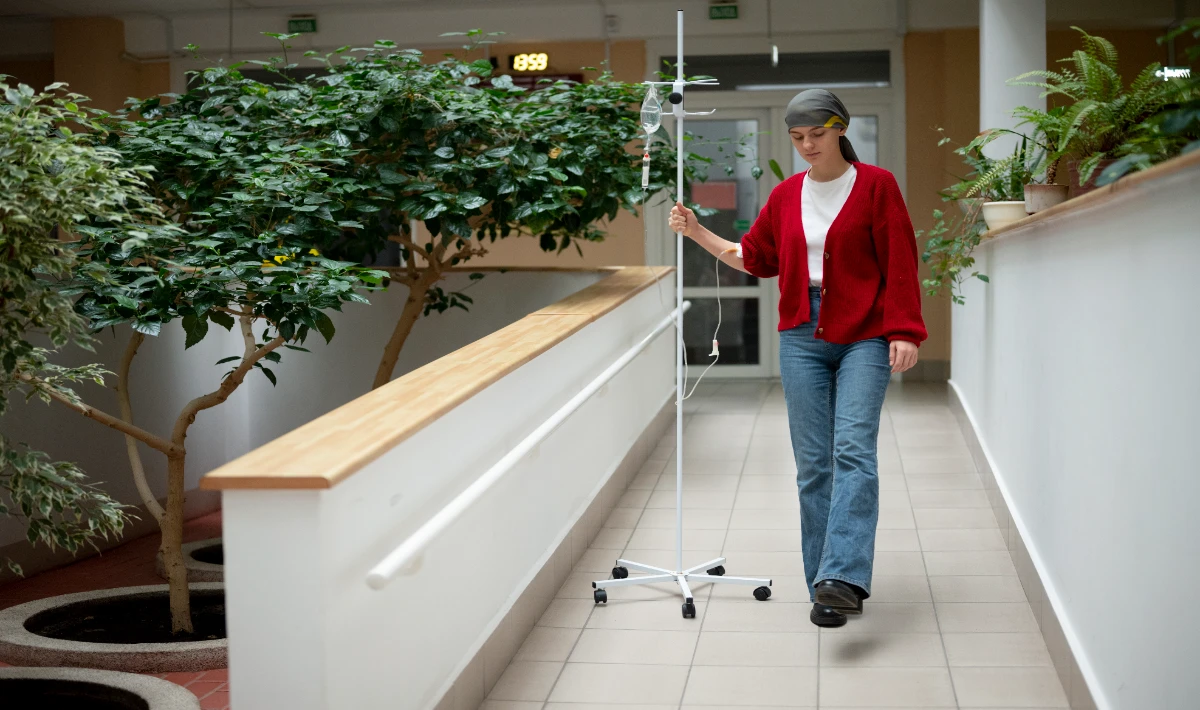
Clear circulation paths reduce hesitation and noise. When people know where to walk, interruptions reduce automatically. A strong office layout plan keeps main walkways open and secondary paths subtle, allowing work to flow without friction.
2. Desk Clusters

It is better to group desks in a small cluster. It allows collaboration without creating any problem, making the rest of the place accessible. A thoughtful office workstation design layout also reduces visual clutter and supports better focus.
3. Soft Corners
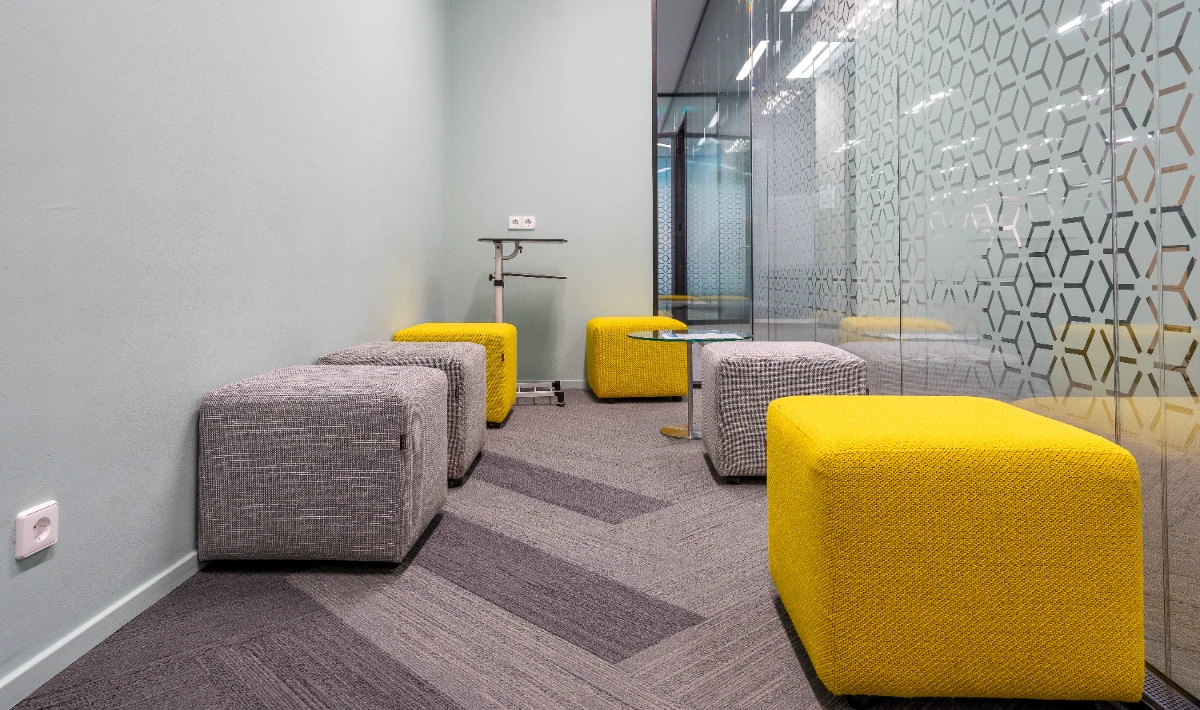
Soft corners allow informal conversation and mental pauses. These areas help reduce meeting room pressure and add warmth to modern office layout design without blocking movement.
4. Desk Direction
The direction desks face impacts attention. Facing the walkways might turn out to be a distraction. Slight angles or inward-facing desks help people stay engaged longer during work hours.
5. Natural Light
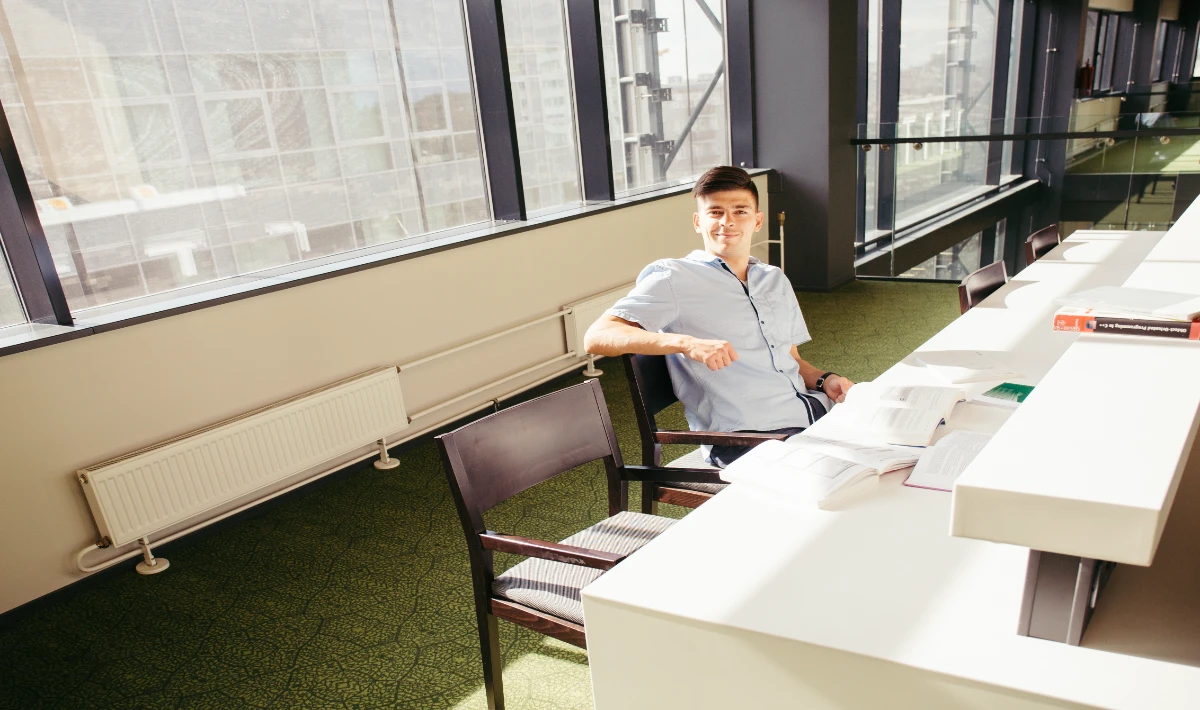
Placing desks near windows reduces fatigue and improves mood. Natural light remains one of the strongest tools in effective office design and layout planning.
6. Smart Storage
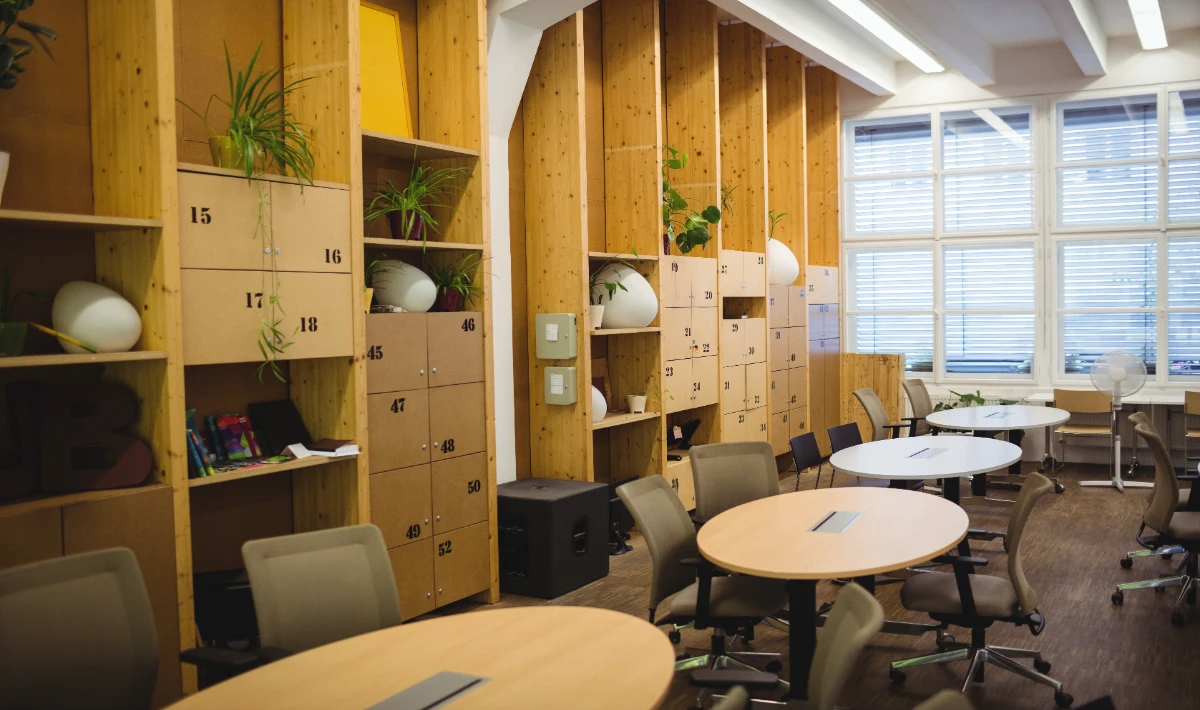
Storage is an important part of the office design. It should create a smooth flow at the workplace rather than fighting it. When drawers and cabinets sit close by, desks stay cleaner. A good office furniture layout design prevents clutter from building up.
7. Quiet Zones
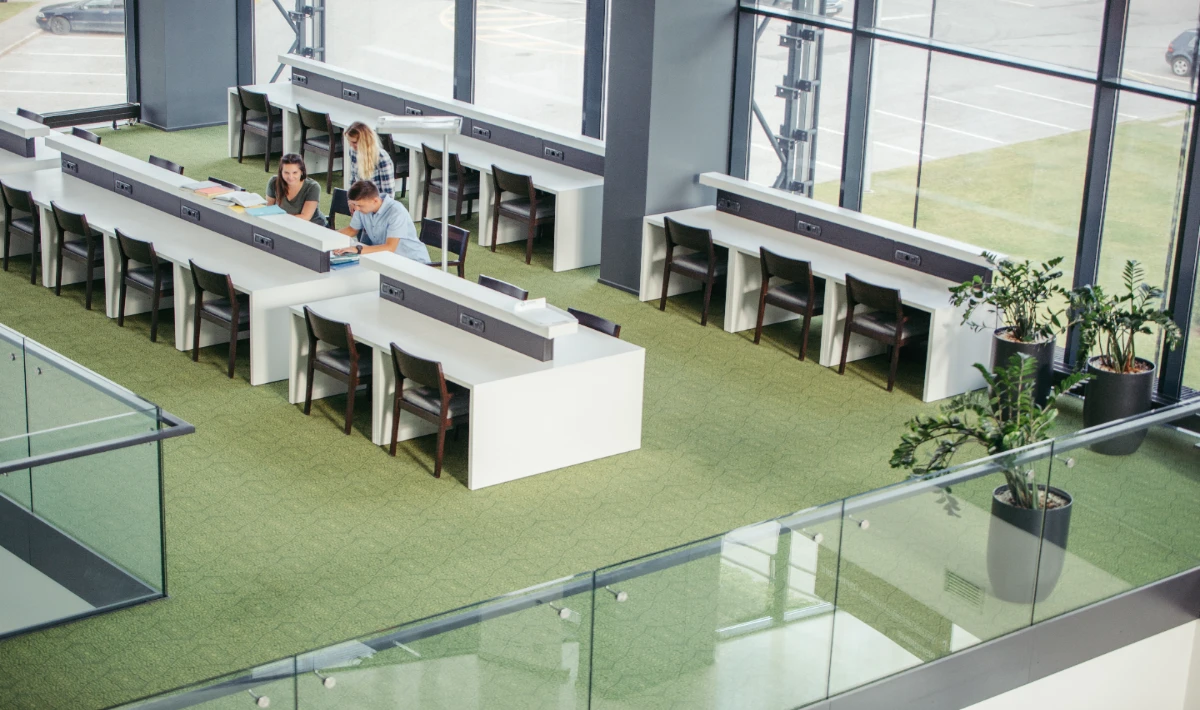
People sometimes need to think about problems alone. These quiet areas help them focus without any undue interruption. These also create a very functional environment.
8. Small Rooms
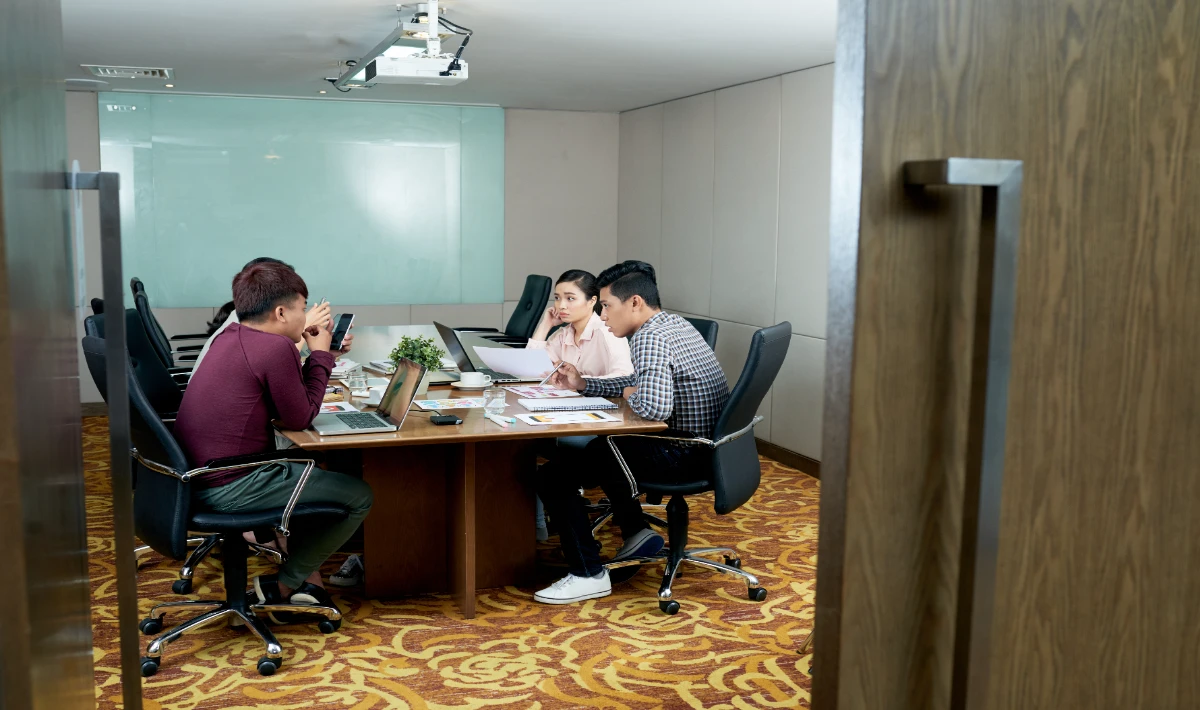
Small meeting rooms are the best place for quick team discussions. They control noise better and fit naturally into compact layouts, improving overall space efficiency.
9. Flexible Pieces

Furniture that moves or adapts reduces future redesigns. Flexibility supports evolving teams and changing work patterns.
10. Visual Zones

Visual cues like lighting or rugs define areas gently. This keeps the office layout design open and organised.
What are the Different Types of Office Layouts
It is evident that different layouts support different ways of working. Choosing the right layout type prevents long-term frustration.
1. Open Layout

Open layouts are the best option for teams that need to communicate quickly. It is the best way to get things done easily and in a short time. These suit teams require careful noise planning and task execution.
2. Private Layout

Private offices support deep concentration and sensitive tasks. These work well for leaders and team members who have specialised job roles. For some roles, privacy is paramount, and these layouts act as the best option in those scenarios.
3. Hybrid Layout

Hybrid layouts combine the open layout approach and privacy. This is common in corporate office design layout who have an expanding team.
4. L Shaped Layout

An l shaped office design layout uses corners efficiently. It is ideal for cabins and edge spaces where straight layouts fail.
5. Compact Layout

Compact layouts require sharper planning. Circulation, desk size, and storage position are really important in these layouts. The layouts are the best option for small businesses.
How to Design an Efficient Office Layout Plan
Office layout plans have gained popularity due to their benefits for enhancing communication and collaboration among employees. However, creating an effective office layout requires careful planning and consideration to meet the diverse needs of the workforce. We offer a comprehensive guide to help you design an office layout that boosts productivity and ensures employee satisfaction.
1. Know What You Need (& Want)

Before getting into the approach, it is important to identify what your organisation wants and needs. Start by answering essential questions about what you do and how your company behaves.
- Workloads: Determine the key duties your team must perform. Do they need deep focus and are often with other developers?
- Collaboration vs. Individual Work: determine the right balance between collaborative tasks and individual work that requires focus. This will provide a clear indication of how to size the space effectively.
- Tech Requirements: Write down all the basic functionalities that need to be supported – i.e., reception, study areas, and lounges.
- Culture: Use your company’s guiding values to contemplate. What are your values as an organisation – transparency, flexibility, or innovation? Your office layout should reflect these values as well.
2. Promote Collaboration with Flexible Spaces
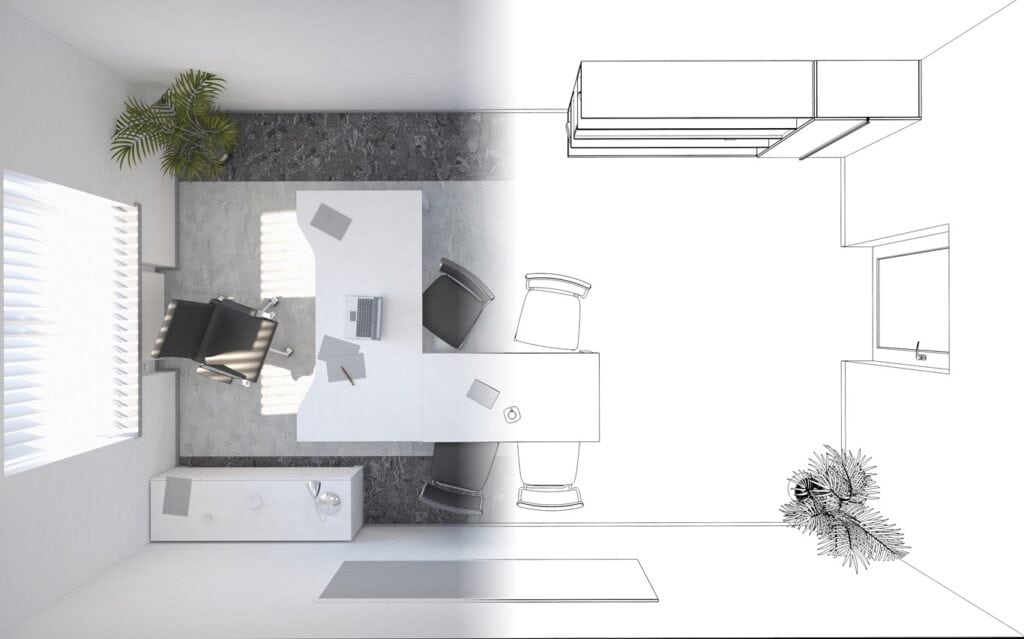
One of the key advantages of an office layout plan is its potential to enhance collaboration. To make the most of this, incorporate flexible spaces that can be easily adapted for various tasks. Here are some ideas:
- Breakout Areas: Casual seating and relaxation zones to enable informal, ad-hoc meeting spaces and opportunities for spontaneous collaboration. There should be sofas, beanbags, or coffee tables in these areas.
- Collaborative Zones: Areas created using large tables, white boards, and digital displays where teams can come together for work discussions on their projects. Make sure these zones are in the middle and easy to get.
- Huddle Rooms: Usually small enclosed rooms that allow for team privacy and quick confidential discussions. These spaces should contain the basic AV requirements for presentations and video calls.
3. Ensure Privacy and Focus Areas

Office layout plans are excellent for collaboration, but can sometimes be quite distracting. It is vital to provide areas where employees can work uninterrupted.
- Silent Rooms: Designate rooms where talking is kept to a minimum. These areas can be identified by signs and positioned some distance from more densely accessed locations.
- Phone Booths: Small, soundproof booths where employees can take private calls without disturbing others. These booths should be distributed throughout the office to be easily accessible.
- Sectioned Desks: Use partitioning or screens to divide semi-private workstations from the Office layout plan. It gives some aspect of personal space while still keeping it open.
4. Optimise Desk Arrangement
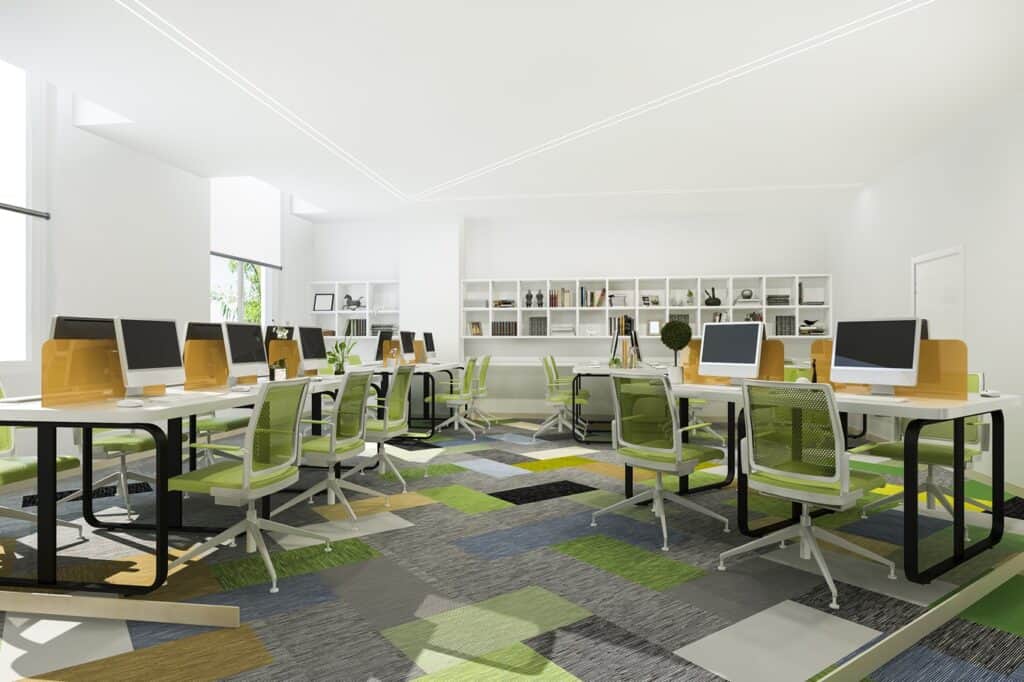
Office layout plan efficiently depends on the arrangement of desks. Here are some ideas to make the most of your space and be more productive:
- Cluster Desks: Group desks in small clusters to encourage teamwork but still keep some distance. This is especially useful for teams that require collaboration.
- Hot Desking: Adopt a system of hot desking whereby employees do not have an assigned workplace, thus optimising space and making things more flexible. Make sure there are enough desks if they correspond with peak demand.
- Ergonomics: Buy ergonomic tables and chairs for a comfortable working environment as well as to minimise the risks of strain or injury. Chairs that can adjust to an ergonomic fit, sit-stand desks and monitor stands may help promote employee wellness.
5. Incorporate Technology and Infrastructure
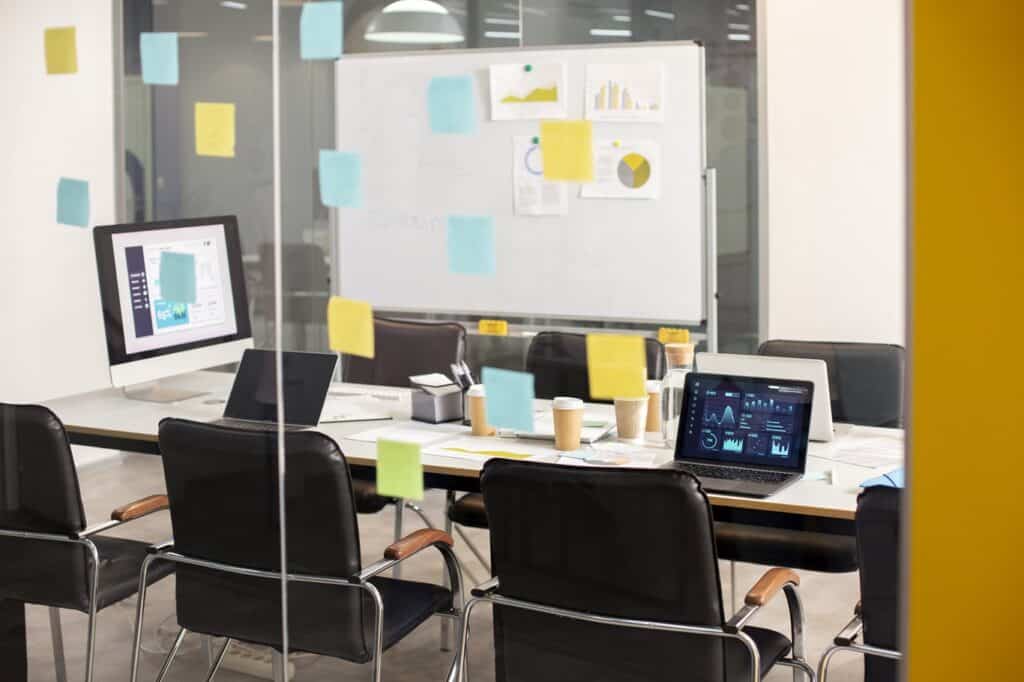
If you want some tech-friendly and infrastructure benefits in office layout then opt for modern office interior solutions:
- Power and Connectivity: Lastly, but most importantly is to make sure the office has plenty of power outlets as well as a fast Wi-Fi connection across all regions in the facility. Cintron suggests adding floor boxes and power strips to get rid of unsightly cable clutter.
- Audio Visual: Up in meeting areas so you can give presentations and have video conferences. Collaboration: Can engage with an interactive display and video conferencing tools
- Smart Desking: The desks with inbuilt power ports and wireless charging stations assist in convenient usage minimise cable clutter.
Also Check This: Creative 3D Wall Design Ideas to Transform Your Office
6. Emphasise Natural Light and Ventilation

A well-ventilated and lit workspace leads to a better employee experience, health as well as productivity. There are various ways to get maximum natural light and ventilation.
- Windows: Windows are great for setting desks that can face the sun. This not only decreases the need for artificial lighting but elevates mood and energy levels as well.
- Glass Partitions: Opt for glass partitions in place of a solid wall so light can pass through the space. It feels open, yet still creates some boundaries.
- Ventilation– In order to maintain freshness in the surroundings of an office the place must be airy with regular air circulation. You can also have some air purifiers and plants to make the air clean.
7. Add Personal Touches and Comfort

Providing a great place to work will inevitably increase the morale and happiness of your employees. These are some of the elements you may wish to include:
- Greenery: Bring in plants to make your house look beautiful and fresher as well, it will improve the quality of air there. Some indoor plants are low-maintenance, such as snake plants, peace lilies and succulents.
- Comfort Zones: Create seating, for a relaxed environment where employees can rest and recharge. Such areas are furnished with sofas, jelly bean bag chairs as well as hammocks.
- Individualization: Permit employees to individualise their work environment with photos, adornments, and personal luxuries. This makes the office feel cosier and can increase employee engagement
What is an Office Floor Plan Layout Used For
An office floor plan layout helps teams visualise how space will function before execution begins. It shows seating density, movement flow, and service points early. This step reduces confusion later and keeps decisions aligned during setup.
When Should an Office Layout Be Planned
Office layout planning should be done before even starting the selection of furniture and other items. Early planning helps in removing all the bottlenecks which may come in between the successful completion of the project. It also supports the best office layout design outcomes. This approach saves time, cost, and frustration during execution.

Do you want to create a perfect office layout plan?
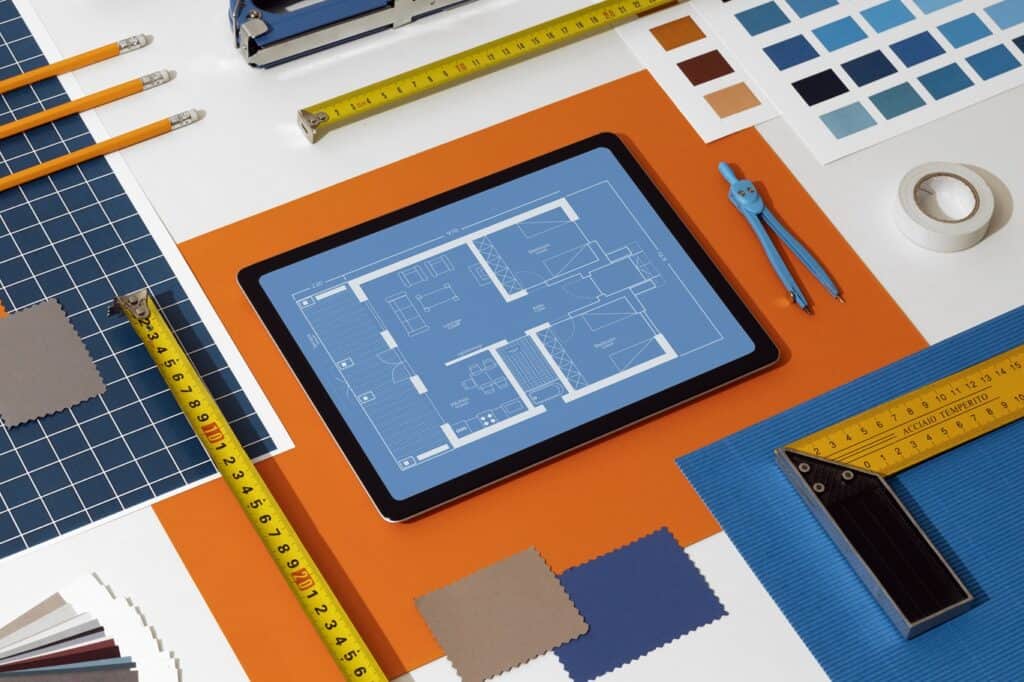
You are at the right place. At Officebanao, we’ve got what you need. This isn’t about following a boring checklist; it’s about crafting the corporate office layout plan that fuels your inner genius and makes everyone who walks in feel like they can conquer the world. Our team will deliver that seamlessly, on time, and within your budget.
We’re talking about helping you create the perfect blend of functionality and killer style, even for a simple office layout plan. The key is to create a space that reflects your unique personality – a place where you can lead with both power and conviction, and we will make that happen!
Conclusion
Office layout design shapes how work feels over time. The right decisions subtly reduce the daily effort of the teams and improve focus without any kind of problem or interference. Small changes often deliver long-lasting comfort. With experts, layout planning stays grounded in real usage and future flexibility. Well-planned offices grow with teams instead of resisting change.
Planning your next workspace? Connect with experienced office interior designers.