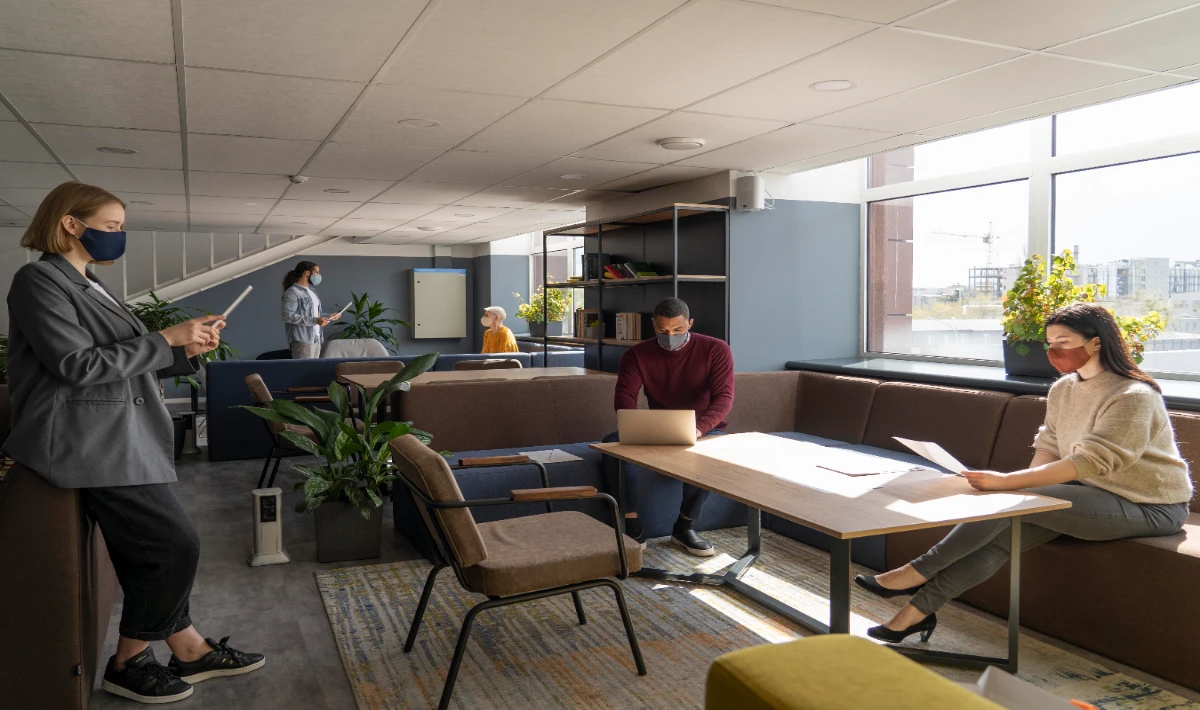
Corporate office interior design shows its impact slowly, over the course of a workday. You notice it when movement feels easy, when meetings do not feel draining, and when people stay focused longer without effort. A well-planned corporate office supports productivity, comfort, and brand presence together, without calling attention to itself.
Today, companies care less about how an office photographs and more about how it performs.
Planning a corporate workspace? Connect with an experienced office interior designer in Gurgaon who understands how offices are actually used.
What is Corporate Interior Design
Corporate interior design is the planning of spaces where people work every day. This includes corporate offices, headquarters, meeting rooms, and shared support areas that teams rely on throughout the day. Unlike residential spaces, corporate office interior design must withstand constant use, higher footfall, and frequent organisational change.
What are the Top 20 Corporate Interior Design Ideas
The following ideas come from watching how offices are used in real life, not from catalogues. They are all about how teams move, daily tasks get executed, etc. Modern corporate office design ideas are directly related to behaviour and not visual elements.
1. Workflows First, Furniture Later

When layouts follow real work patterns, offices feel effortless. Teams move from one place to another. They collaborate between spaces. Furniture should fit naturally without disrupting the flow.
2. Offices that Adjust, Not Just Expand
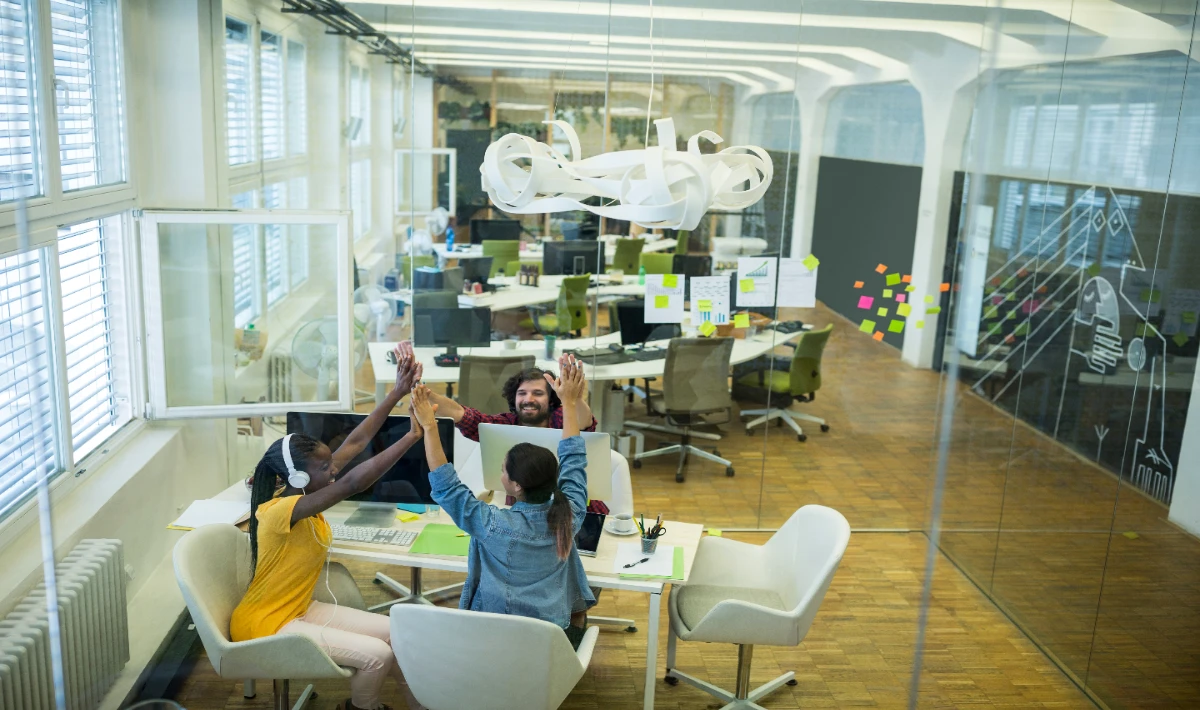
No one can predict how a business will grow. Teams shift, and roles may change without any linear pattern. Offices that adjust easily reduce disruption and avoid the cycle of constant redesign.
3. Quiet is Designed, Not Assumed
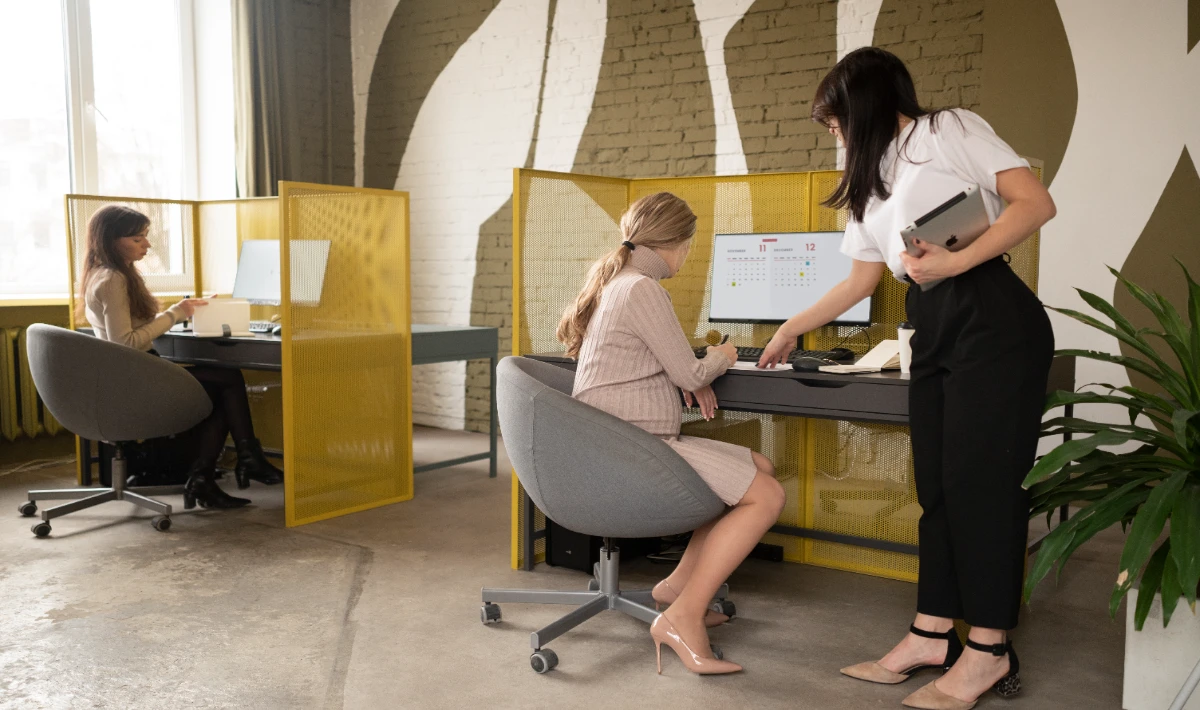
Noise issue will not show up during the design or construction period. It will appear when the workplace starts to operate. Noise reduction can be achieved if it can be identified in the early planning stage. Choosing the right material is important for employee focus.
4. Collaboration Without Crowd Pressure
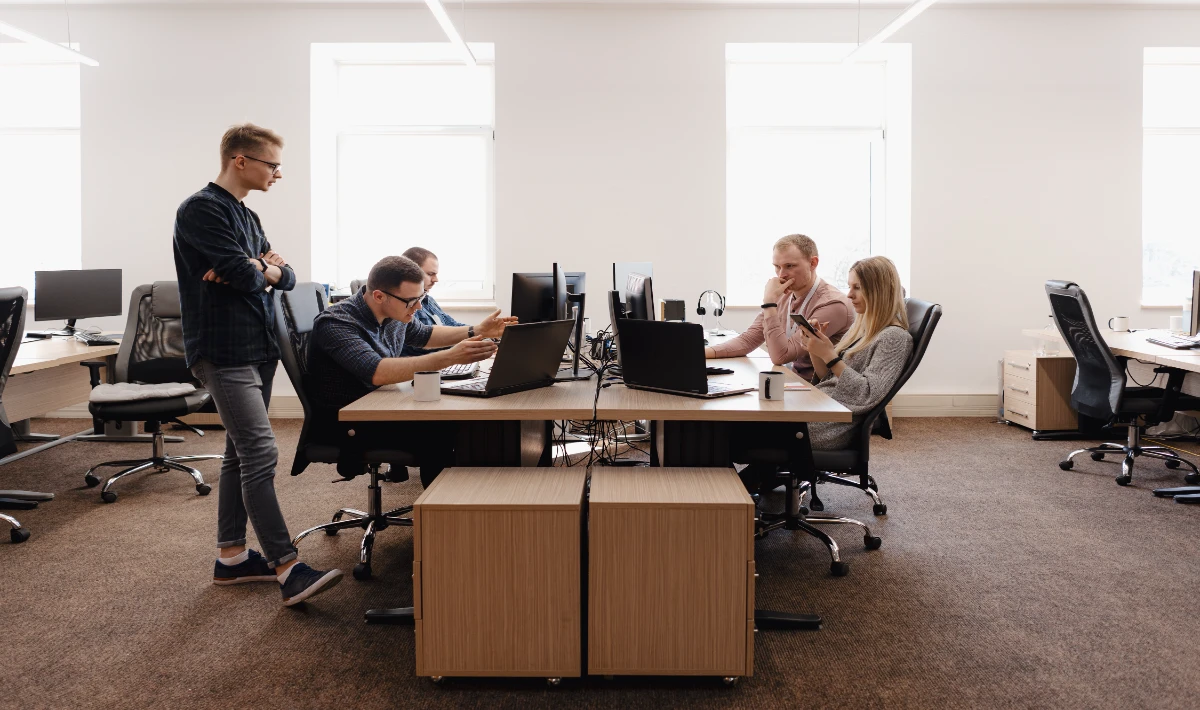
Not every discussion needs a large open area. Smaller collaboration pockets allow teams to talk freely without pulling the entire floor into noise.
5. Focus Spaces that Do Not Feel Isolated
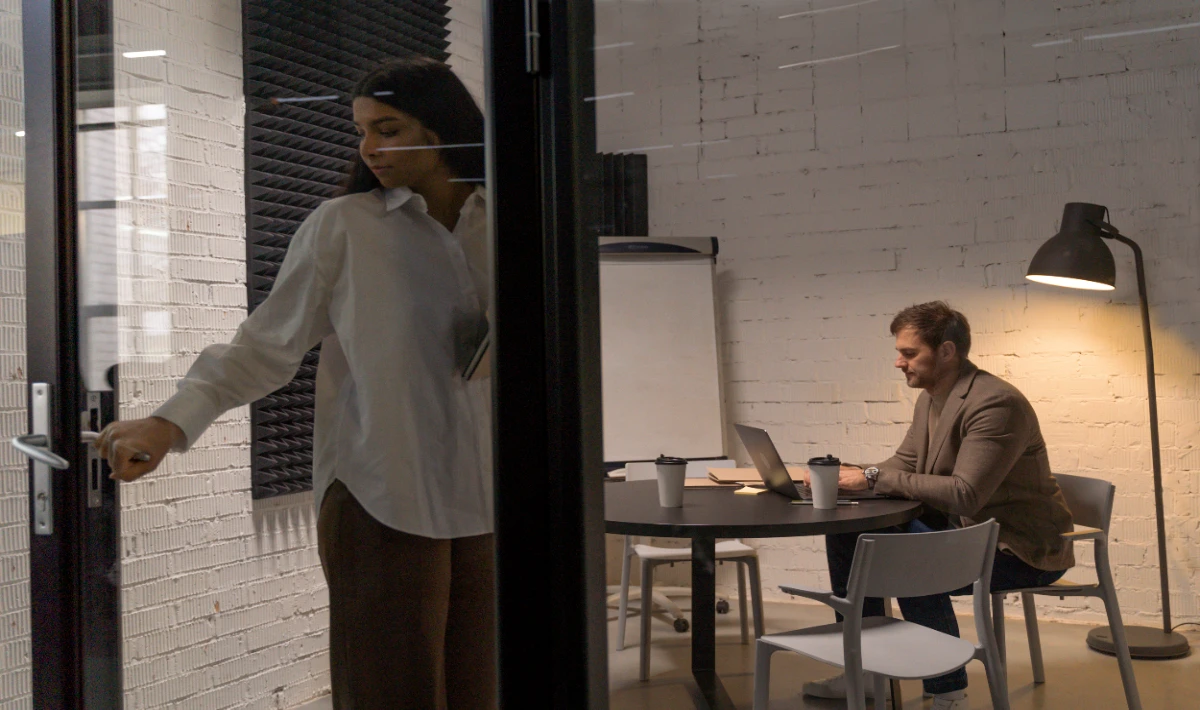
Focus rooms work best when they still feel connected. Glass and light allow privacy while avoiding the feeling of being cut off.
6. Design that Respects Energy Levels
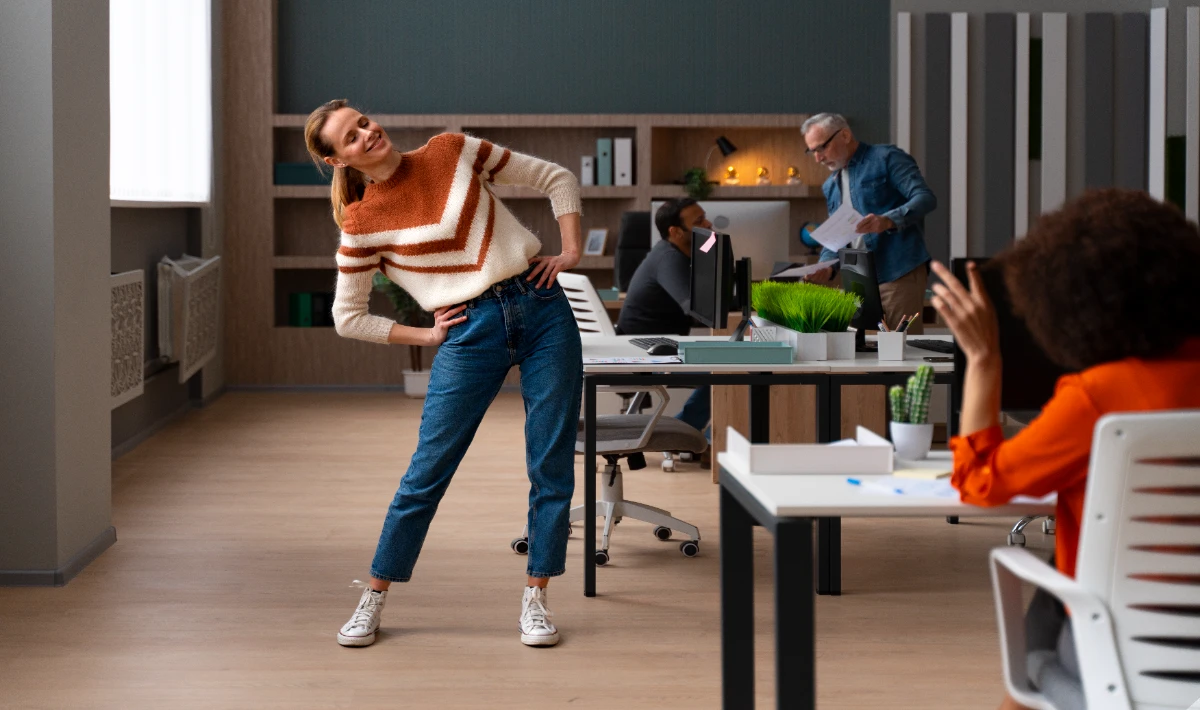
Some work needs quiet. Other tasks need interaction. With the help of lighting materials, etc., the designer takes care of all these elements.
7. Technology that Disappears Into Design
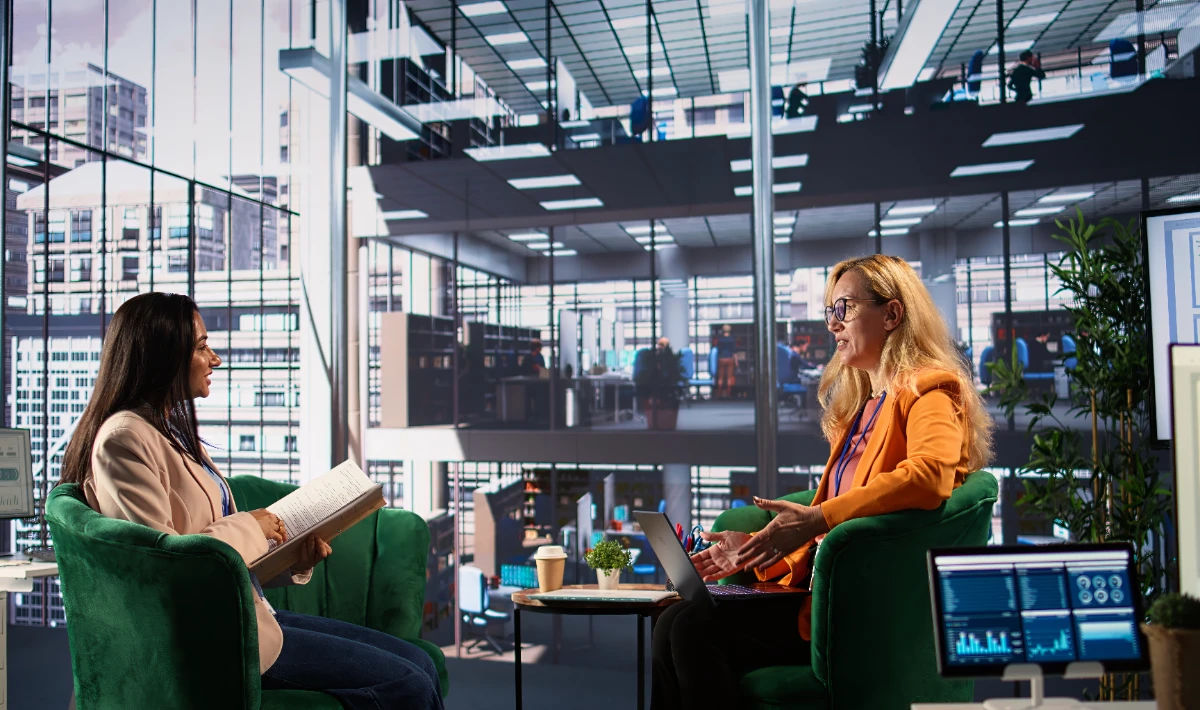
Technology is a part of design and should help it grow. It should work subtly. Concealed wiring, smart ports and submerged screens help with brand communication.
8. Meeting Rooms that Earn Their Space
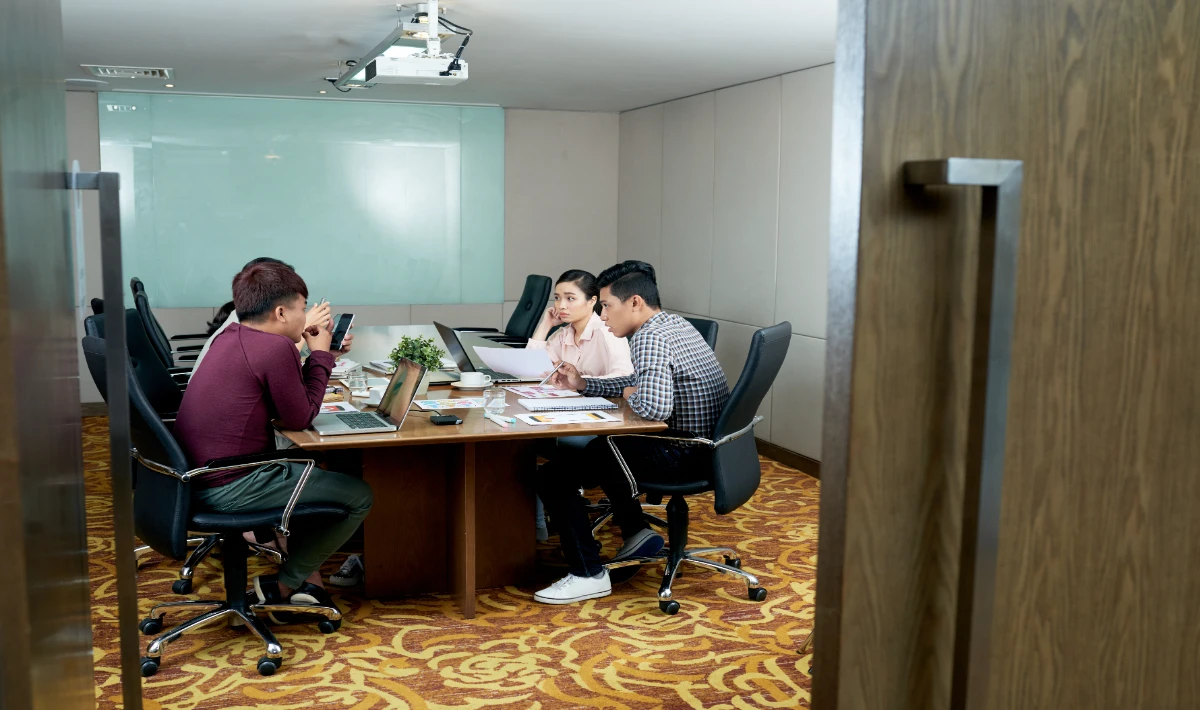
Meeting rooms are not used regularly by teams. They are used for a big gathering or for a collaborative discussion only. Flexible layouts make it an area for various uses, such as workshops, etc.
9. Circulation Paths that Encourage Movement

Clear circulation reduces hesitation. It is important that the movement feels natural because it reduces fatigue. Also, it helps improve employee comfort in the long term.
10. Storage that Shapes the Space

Storage is not just a functional aspect. It is about how a design looks visually while being organised. A well-integrated storage makes the entire layout look good.
11. Brand Expression without Visual Noise
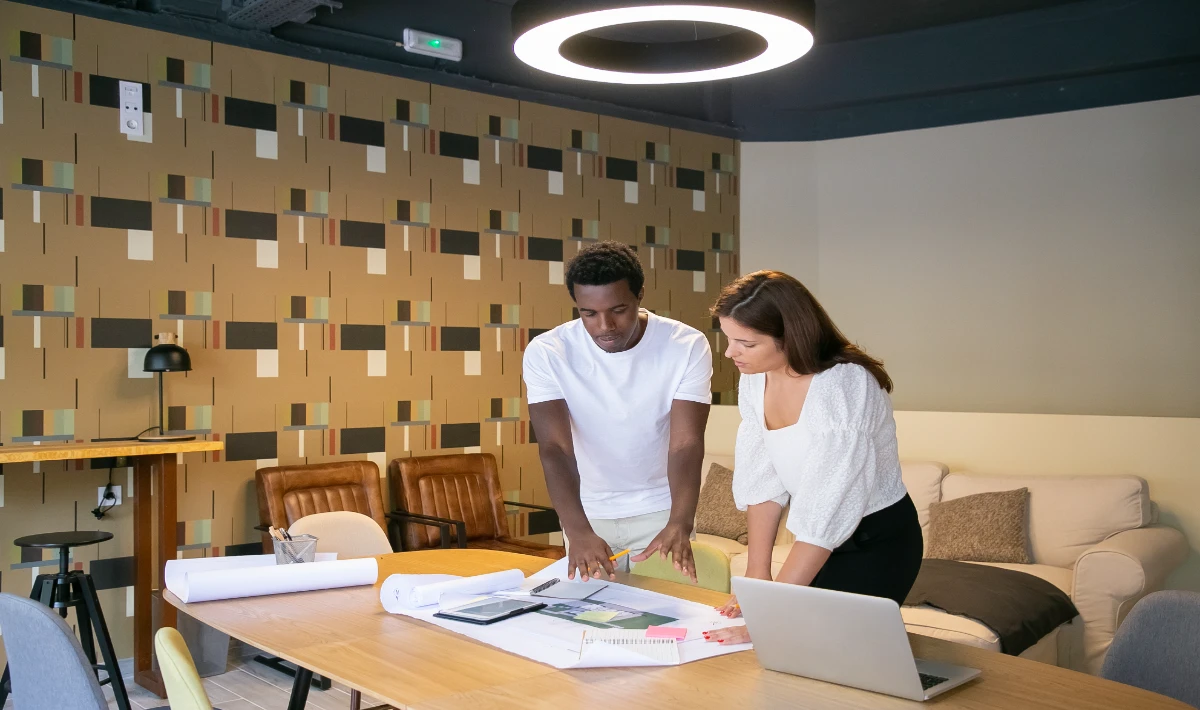
Brand identity feels stronger when it is subtle. The materials which are chosen and the textures applied showcase the brand value.
12. Lighting that Changes with the Day
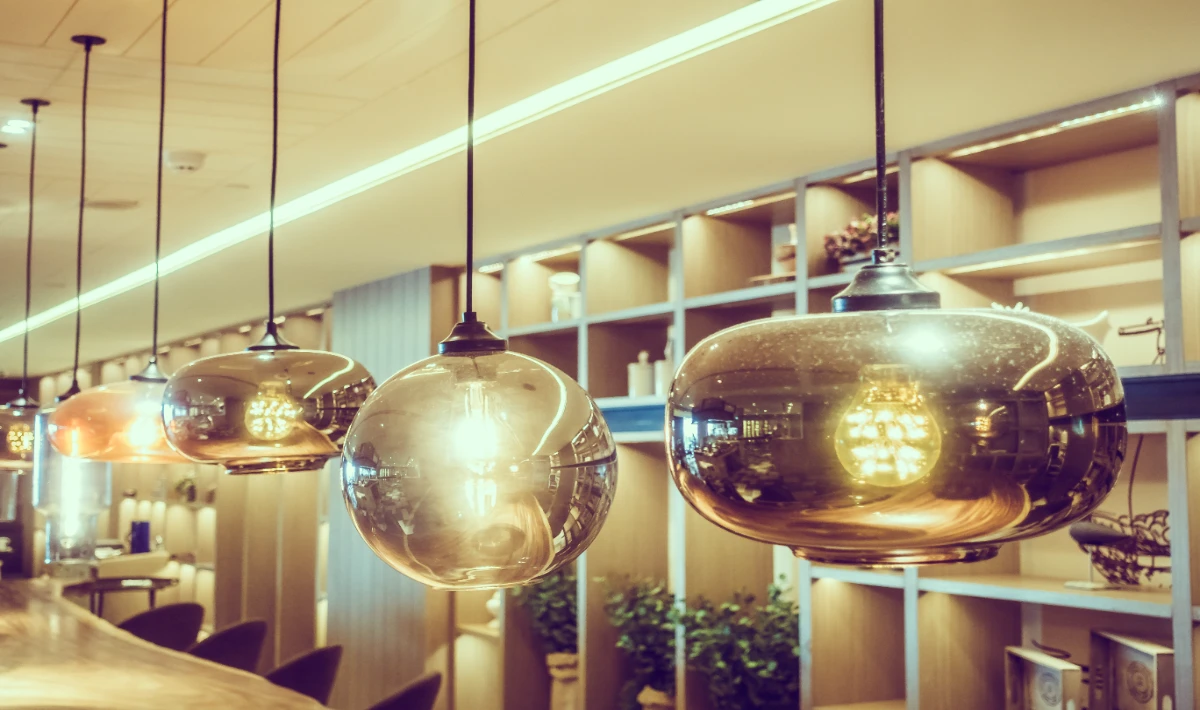
Lighting is an important element of corporate interior design. It is important that lighting supports focus throughout the day. Layered systems help to increase employee focus and reduce strain on the eyes.
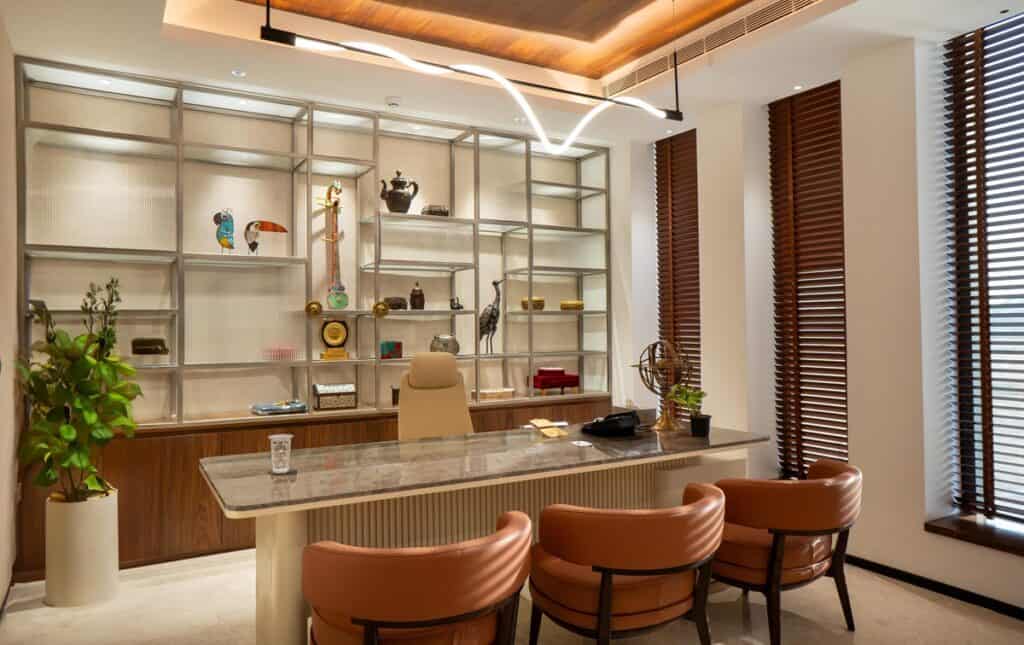
13. Executive Spaces that Invite Conversation
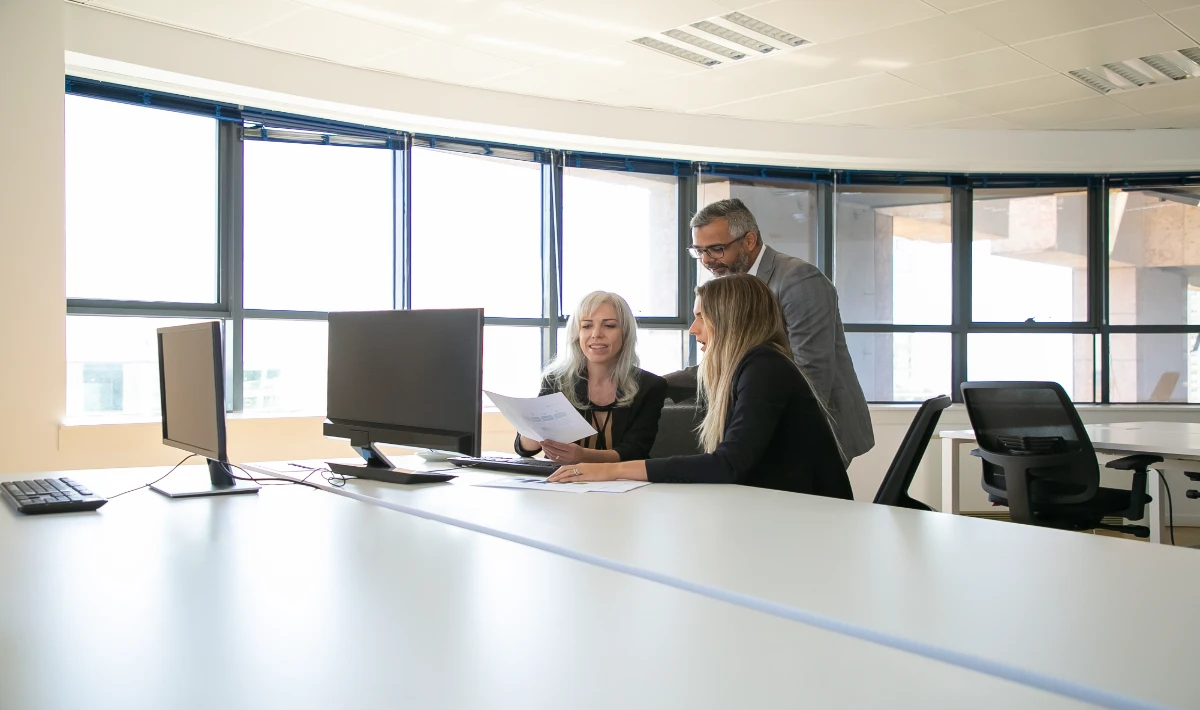
Executive offices should look like they are leading the design from the front. They should support the leadership, but provide access to the team too. Layouts allow meetings, discussions, and focused work in one space.
14. Break Areas that Support Real Breaks
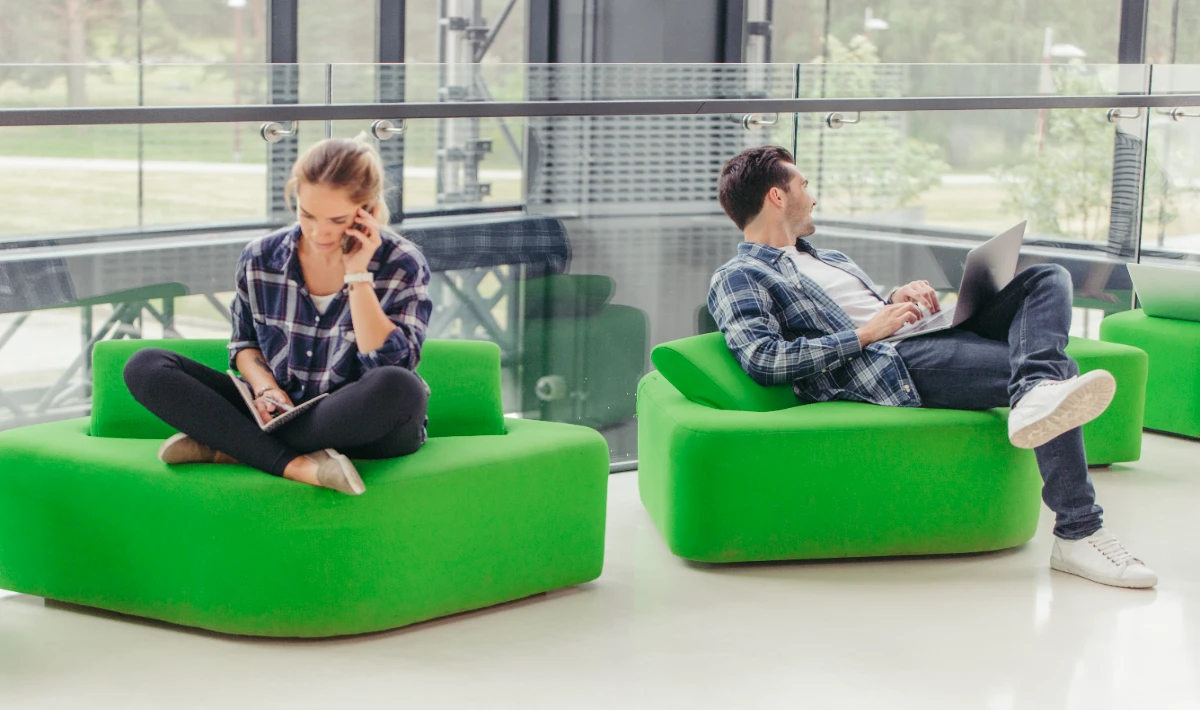
Break areas should not feel like work is lingering on the employees’ shoulders. Theyshouldd help employees relax.
15. Neutral Foundations with Flexible Identity
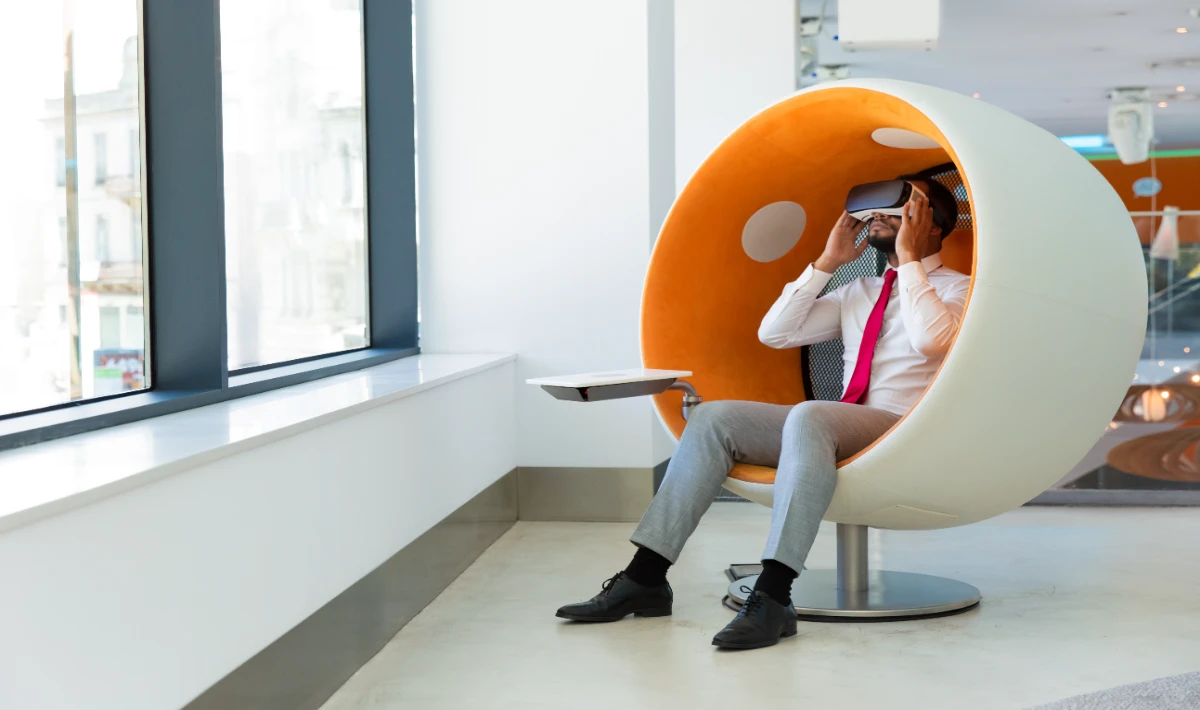
Neutral foundations allow offices to evolve. Branding and furniture can change without disturbing the base structure.
16. Design that Anticipates Hybrid Work
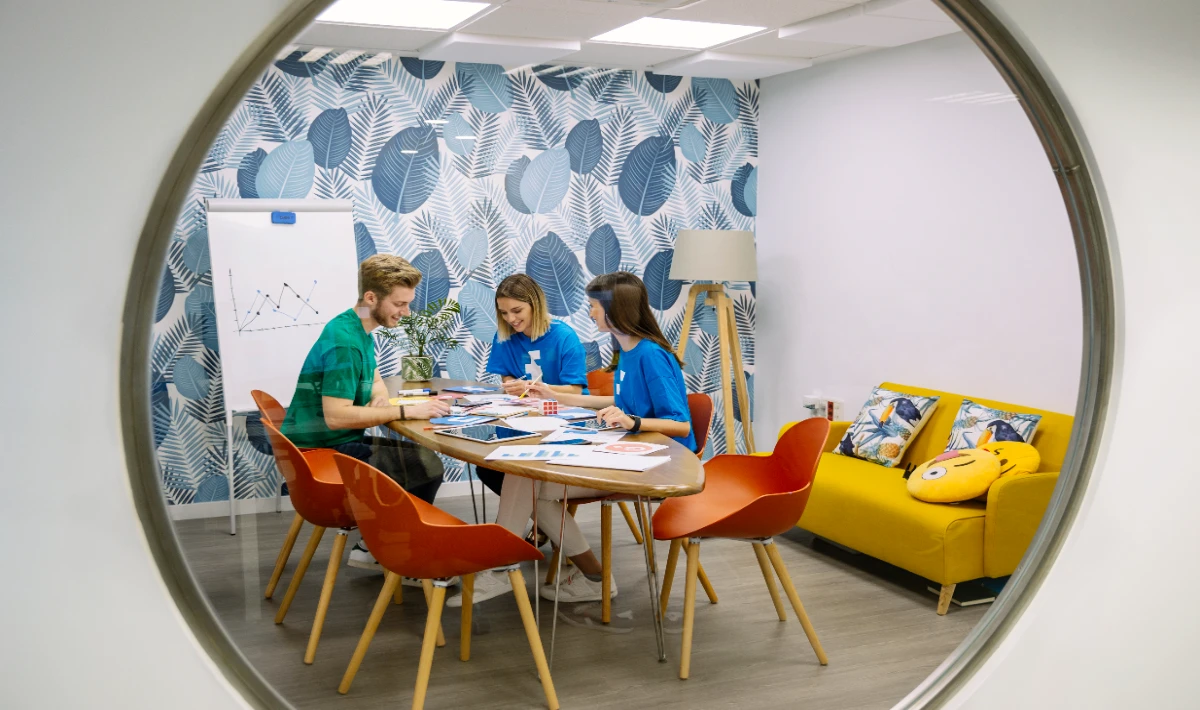
The hybrid work culture has really changed how offices work today. To make the workplace remain relevant, it is pivotal to have shared spaces and flexible seating. It is an important aspect of corporate office interiors.
17. Wellness Integrated into Daily Routes

Wellness works best when it feels natural. Small pauses not only help retain the composure but also recalibrate the mind.
18. Visual Calm Over Decorative Detail
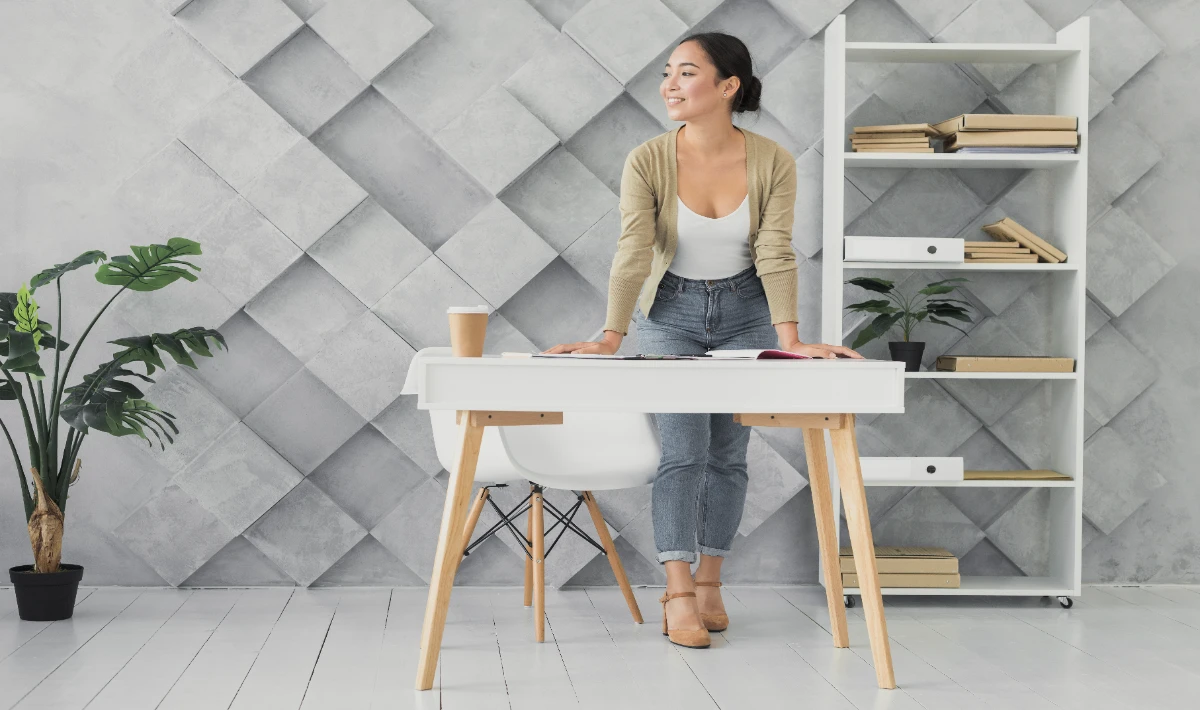
Too many finishes create fatigue. Use of consistent material is the best option for employee comfort.
19. Spaces that Encourage Ownership
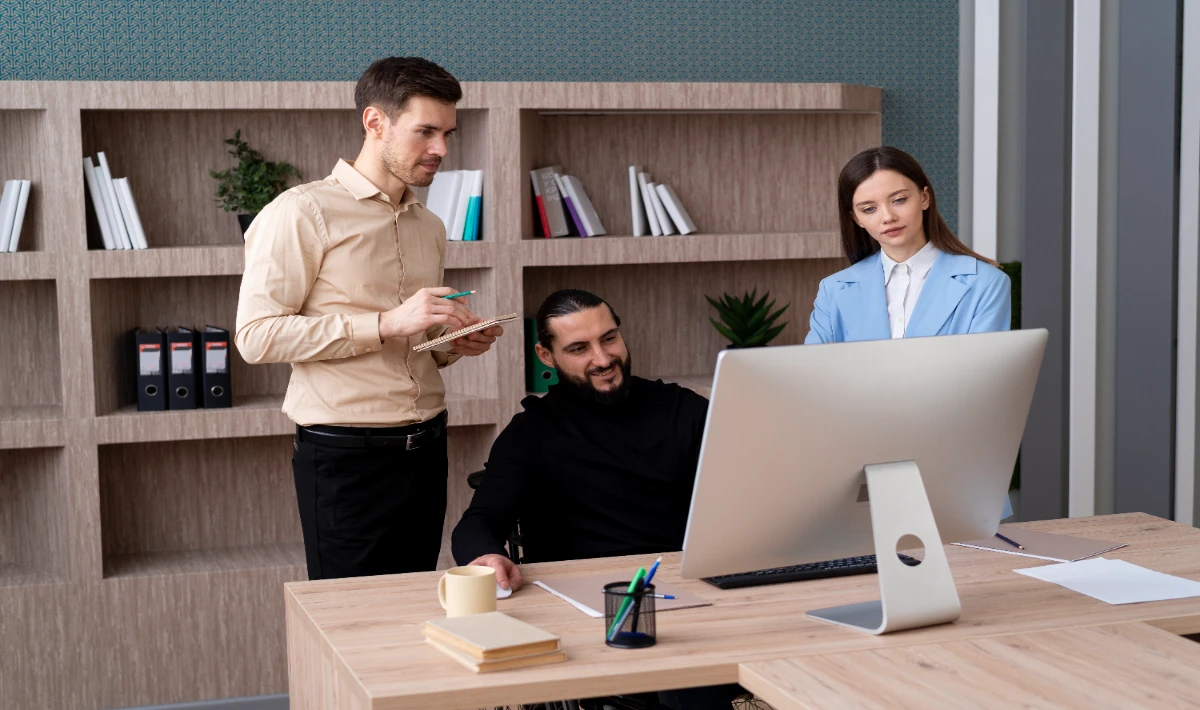
When teams can personalise shared spaces lightly, they take better care of them. Behaviour improves without enforcement.
20. Offices Designed for Longevity
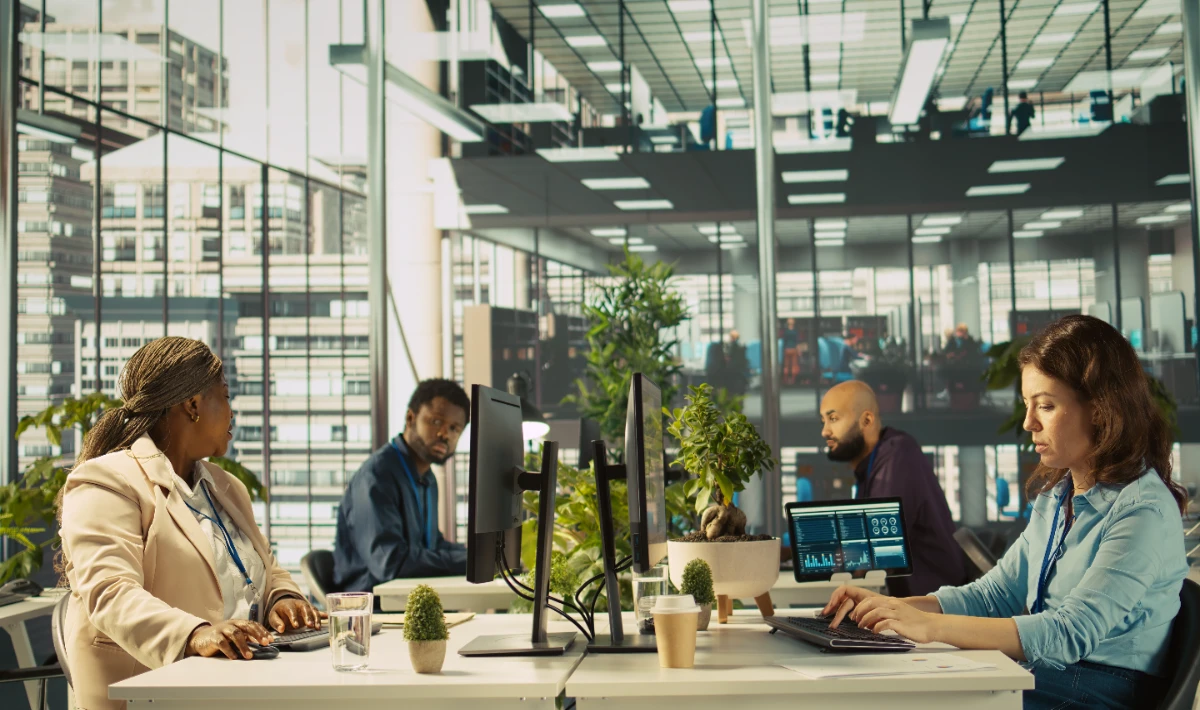
Longevity comes from adaptability. Offices designed this way continue to perform even as tools and teams change.
How Do Key Elements Shape Corporate Interior Design
Before ideas take form, a few basics decide how well an office performs. Take a look at the key elements that shape the corporate interior design below:
- Layout planning supports smooth movement
- Lighting design reduces eye strain
- Ergonomic furniture maintains comfort
- Acoustic planning protects focus
- Integrated storage keeps spaces organised
- Technology planning avoids clutter
Why Corporate Office Interior Design Matters for Modern Workspaces
Modern office spaces are in need of interior designs that do not just impress but also support daily operations. Corporate office interior design helps create a comfortable office environment for teams. It is created by blending functionality and comfort as output, and value both matter.
Where are Corporate Interiors Used Across Business Types
Corporate interiors vary across industries. Offices, headquarters, coworking spaces, and regional branches all require different planning approaches. Every organisation needs a corporate office design that is relevant to teams and the brand itself.
Why Choose a Professional Corporate Interior Design Company
Workspaces influence performance every day. Poor planning leads to discomfort and inefficiency over time. A professional corporate interior design company focuses on long-term performance and not on short-term value.
Conclusion
Corporate interiors tend to reveal their quality over time. You notice it when people stop shifting chairs around, when meetings feel easier to conduct, and when the space no longer feels like it needs constant fixing.
Offices that are planned with care settle into daily routines more naturally. That is why many companies now choose structured corporate office design ideas instead of surface changes that look good briefly but age quickly.
Planning a workspace upgrade? Explore professional office interior design services.