Commercial interior design shapes how business spaces work in everyday life. People rarely think about it when things run smoothly. They notice it when movement feels awkward, when noise becomes distracting, or when focus drops sooner than expected. When an interior is planned with care, these issues stay in the background. Comfort improves, and work feels smoother.
Planning a business space? Connect with experienced office interior designers in Gurgaon for guidance that works in real conditions.
What is Commercial Interior Design
Commercial interior design focuses on spaces where people work, meet, sell, and serve every day. Offices, retail stores, restaurants, and shared workplaces all fall into this category. The purpose is to support daily activity without creating friction for people using the space.
What are the Top 25 Commercial Interior Design Ideas
These commercial interior ideas focus on everyday usability rather than surface appearance. They support effective commercial office interior design across different business types. Modern workplaces now look closely at how people actually work instead of relying only on visual layouts. The commercial interiors ideas below continue to work because they respond to real behaviour.
1. Plan Activity-Based Work Zones
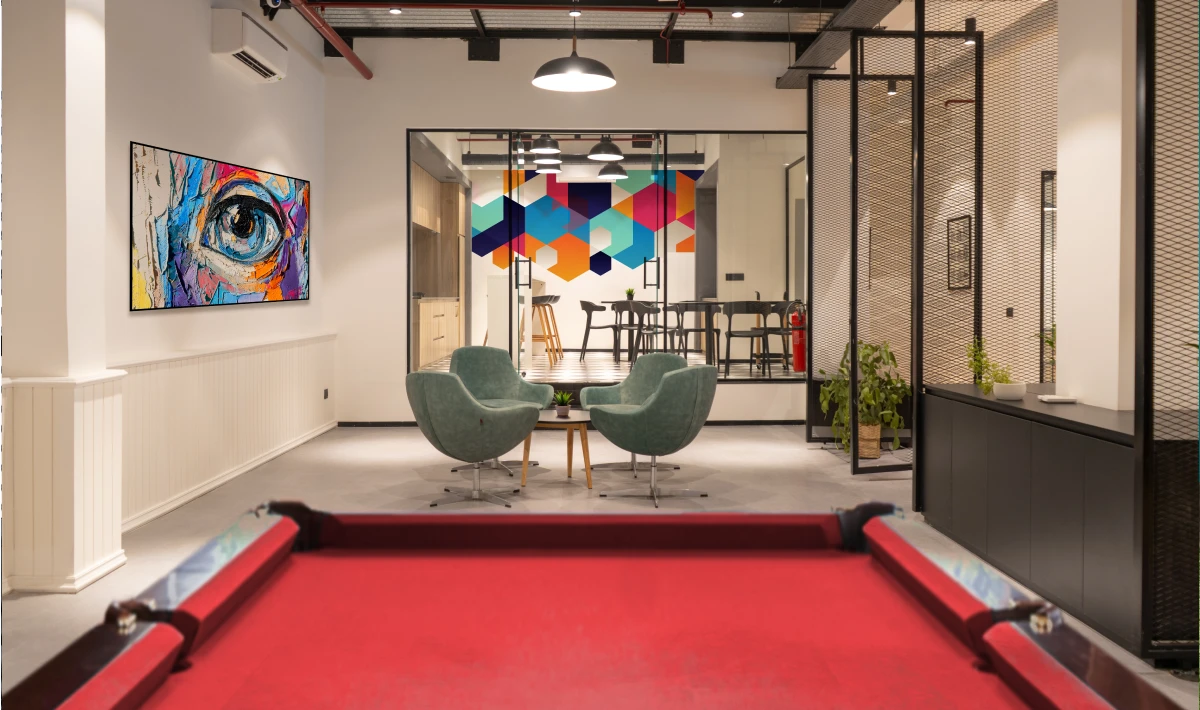
Rather than treating the office as one large open floor, spaces are organised around how work happens. Quiet focus areas sit away from discussion zones. Call rooms absorb noise. Informal spaces handle movement. This separation reduces friction throughout the day.
2. Design Hybrid Meeting Rooms
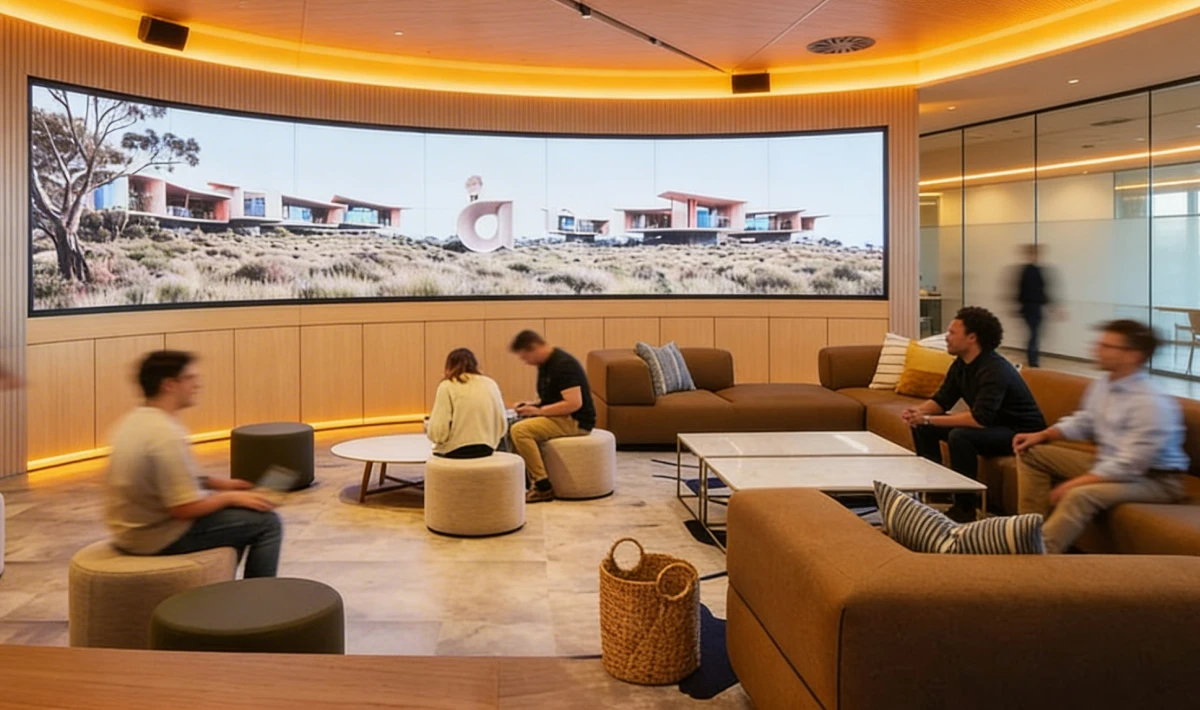
Meetings have moved on from traditional ways. Now, hybrid mode takes the front seat. Some team members sit in a room while others join them from home. Lighting, furniture placement, etc., define how smoothly a meeting will happen.
3. Create Scalable Office Layouts
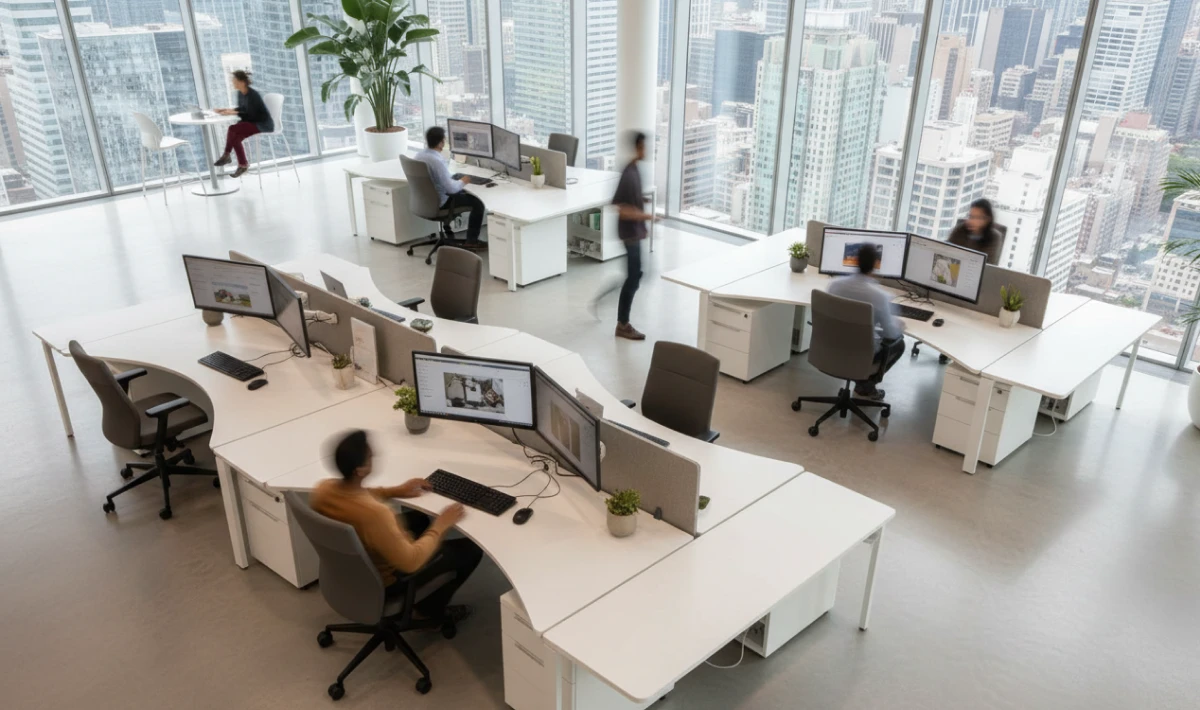
Companies grow, so does the team. It is important to create layouts that can accommodate this change without redesign. Modular furniture and a flexible set up allows expansion and keep the cost on the lower side.
4. Control Open Office Distractions
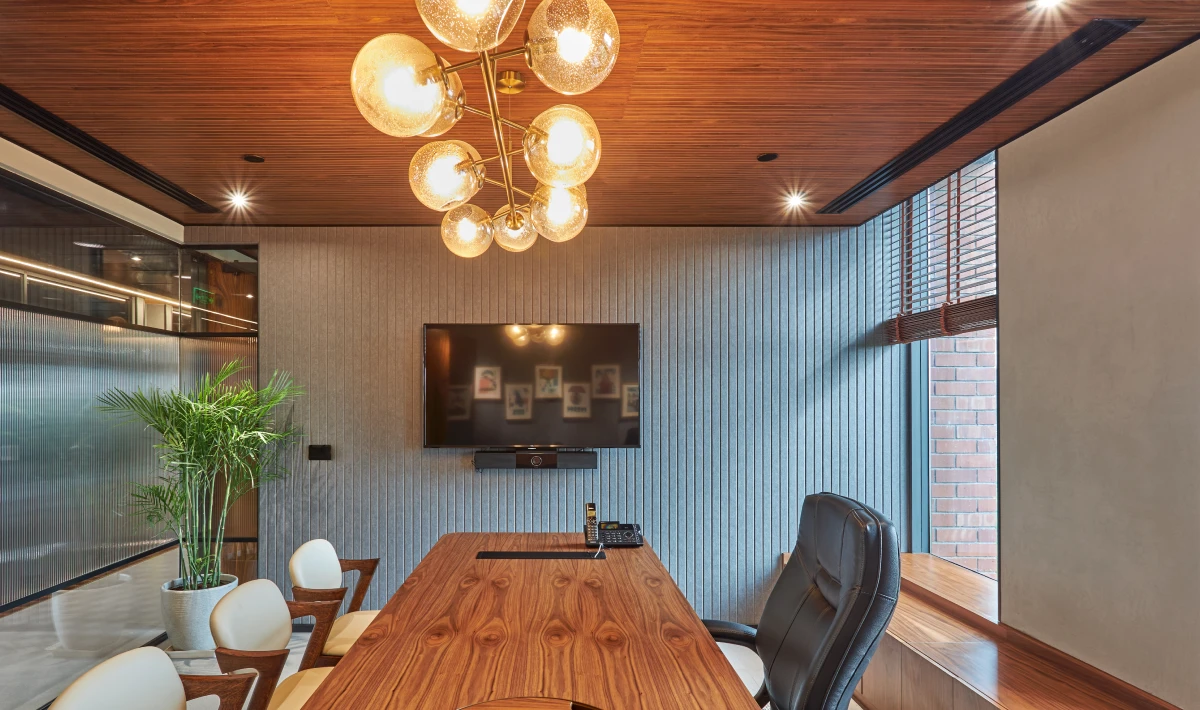
Open offices work well only when noise is managed. Zoning, acoustic panels, and visual buffers help protect focus. Collaboration stays possible without overwhelming the space.
5. Design Focus Rooms for Deep Work
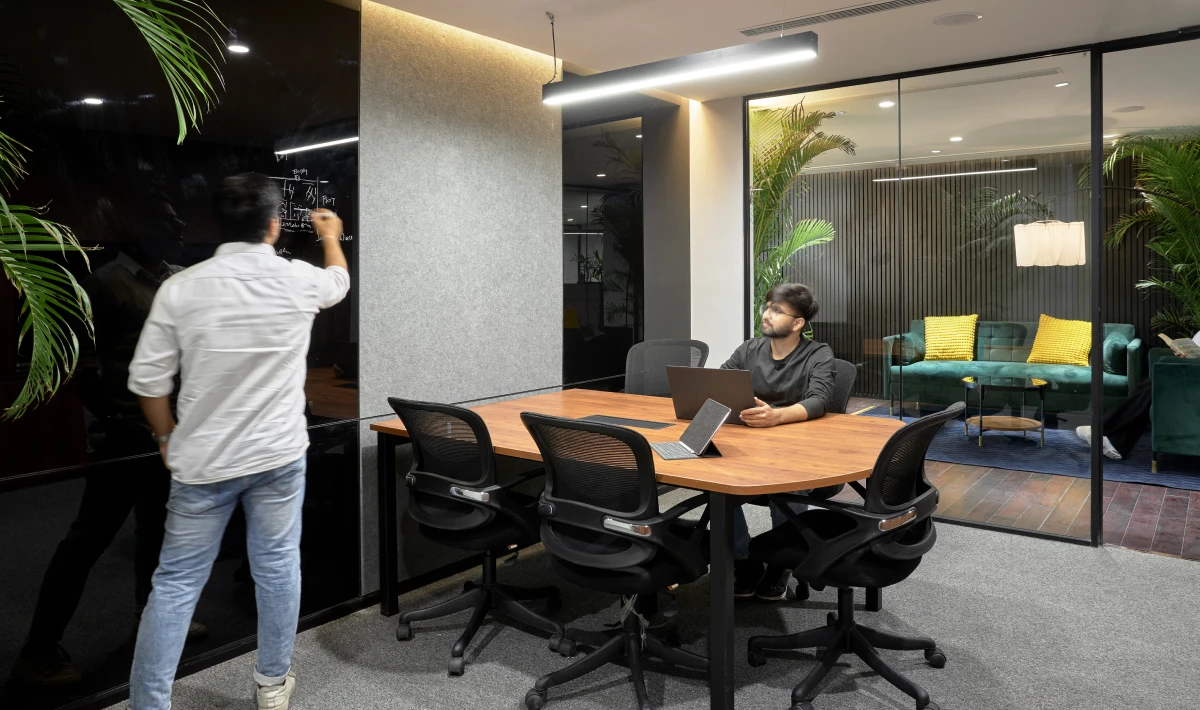
Some tasks need silence. Focus rooms give people space to think, plan, or handle confidential conversations. They balance the energy of open work areas.
6. Express Brand Through Space
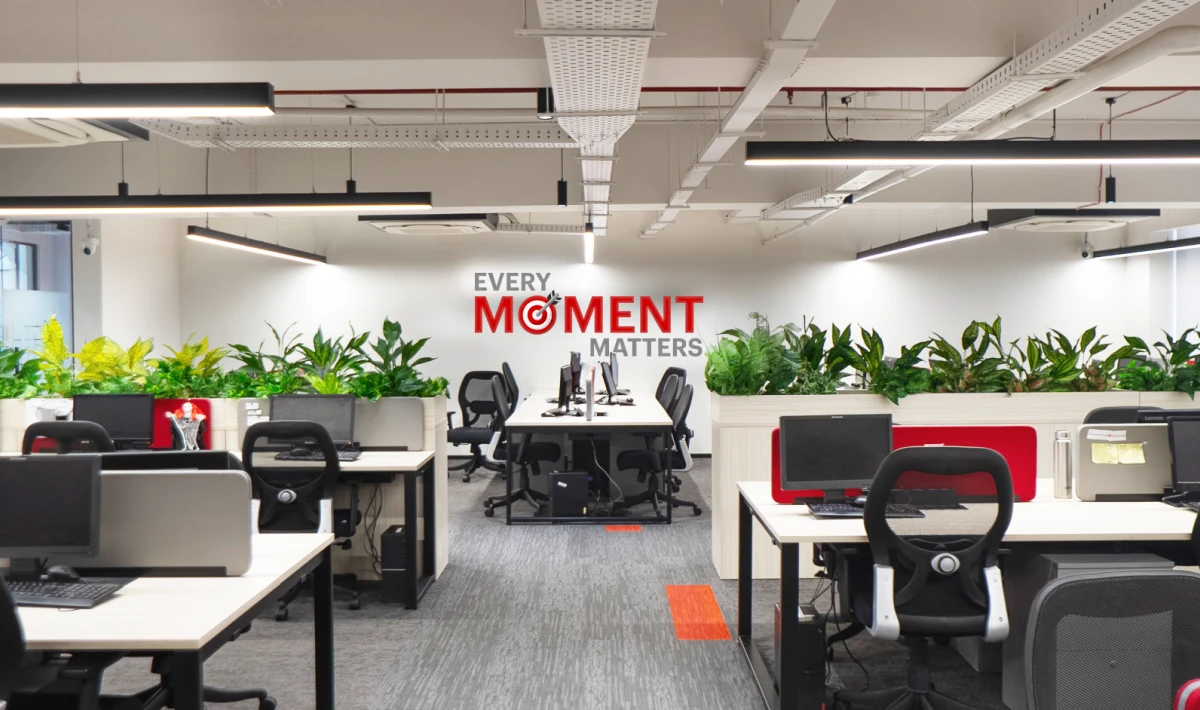
Brand identity should not be restricted to just a few visual elements on the wall. Materials used, finishes and the flow of layout help create the identity better. Branding should feel calm and intentional, and that is why it should be done well.
7. Separate Client and Work Zones
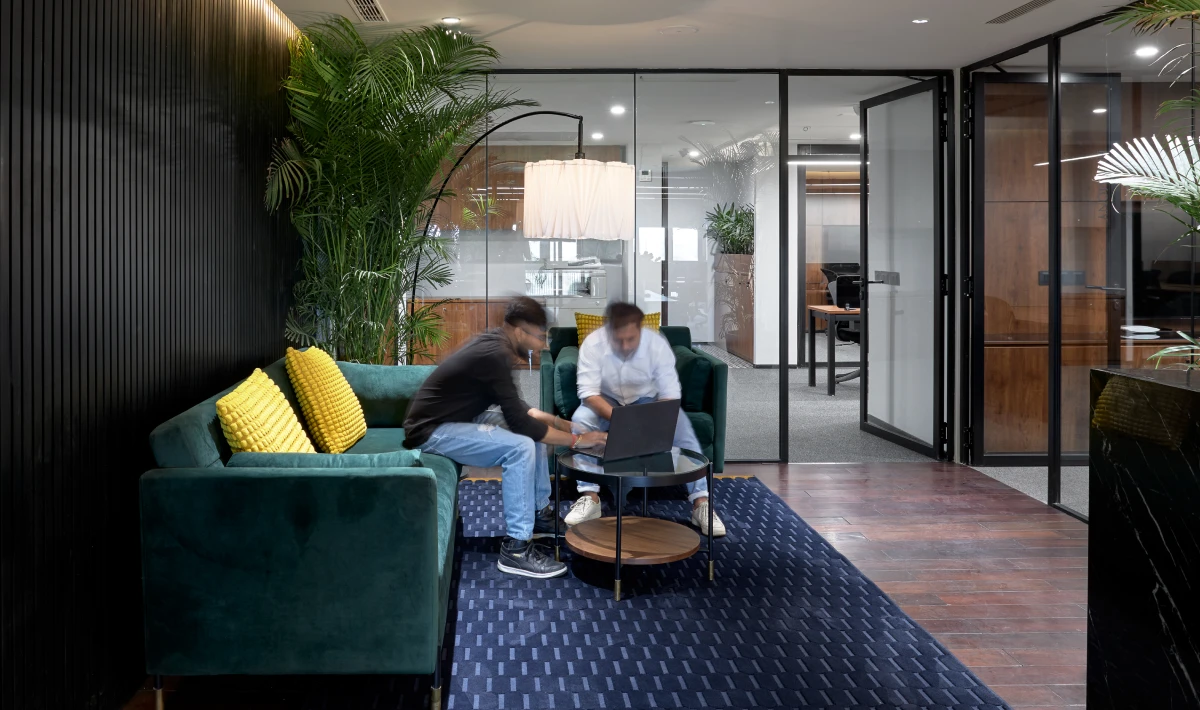
Visitor-facing areas work best when separated from daily work zones. Privacy improves. Disruptions reduce. Teams work with fewer interruptions.
8. Integrate Biophilic Elements
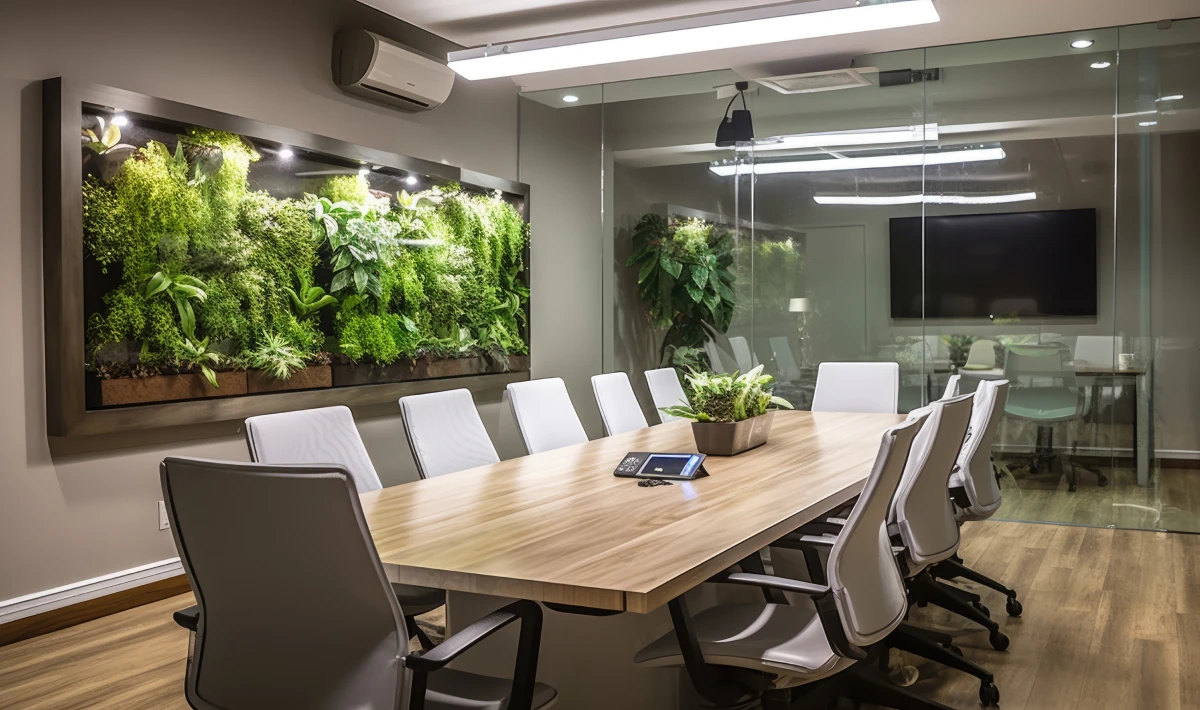
Natural elements are important in commercial spaces. They make the place look natural and functional. It is important to use the biophilic elements. They increase comfort and also reduce stress.
9. Integrate Technology Seamlessly
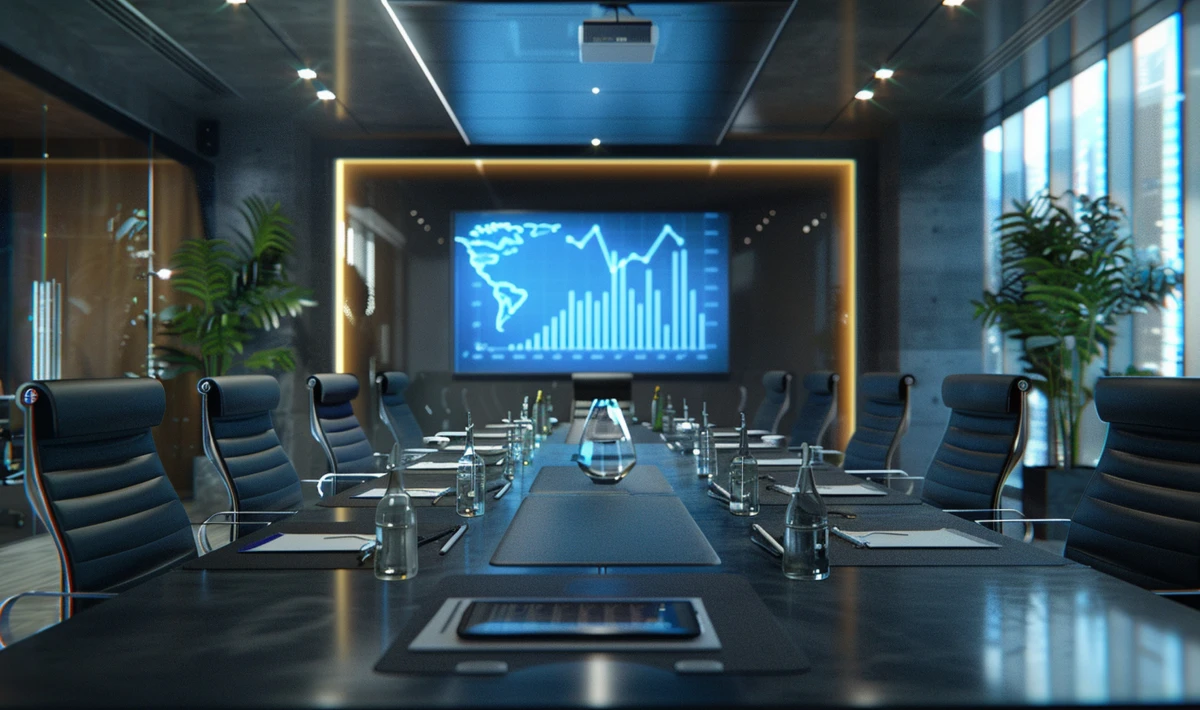
Technology works best when it stays in the background. The cables and other devices should be within reach but not exposed to be seen by others. The commercial space should feel organised and clean.
10. Plan Acoustics Early
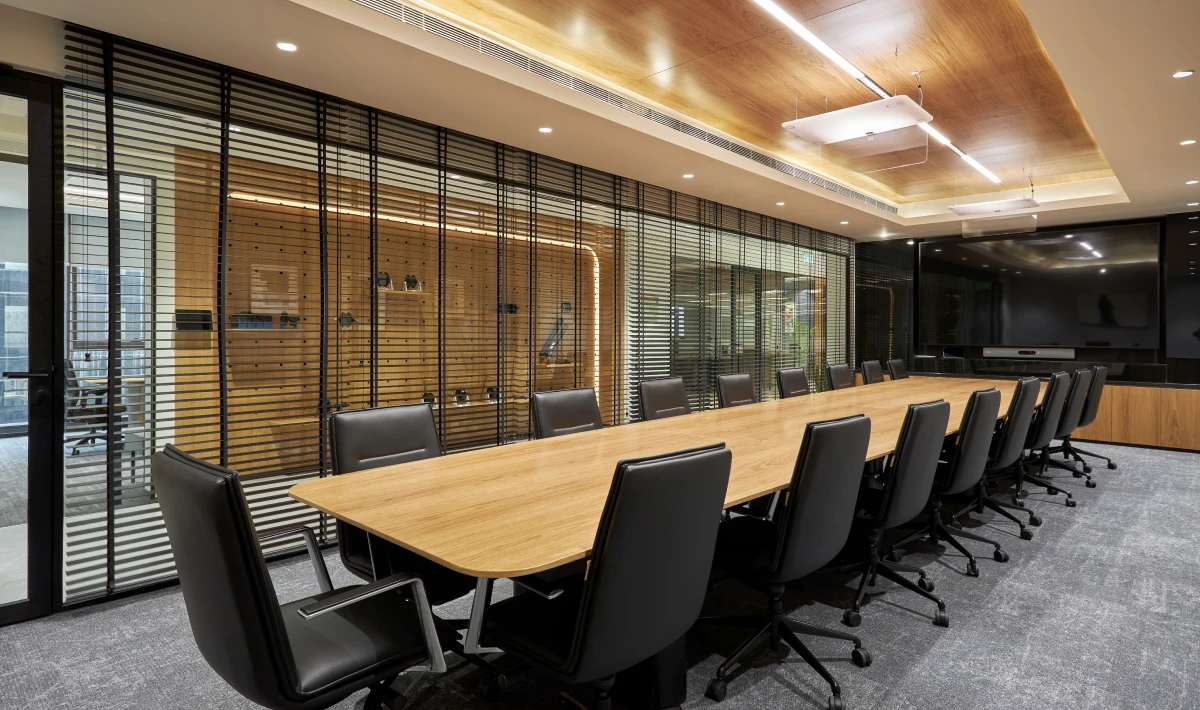
Sound issues are easier to manage when addressed early. Coordinated ceilings, partitions, and finishes improve comfort long after the office is occupied.
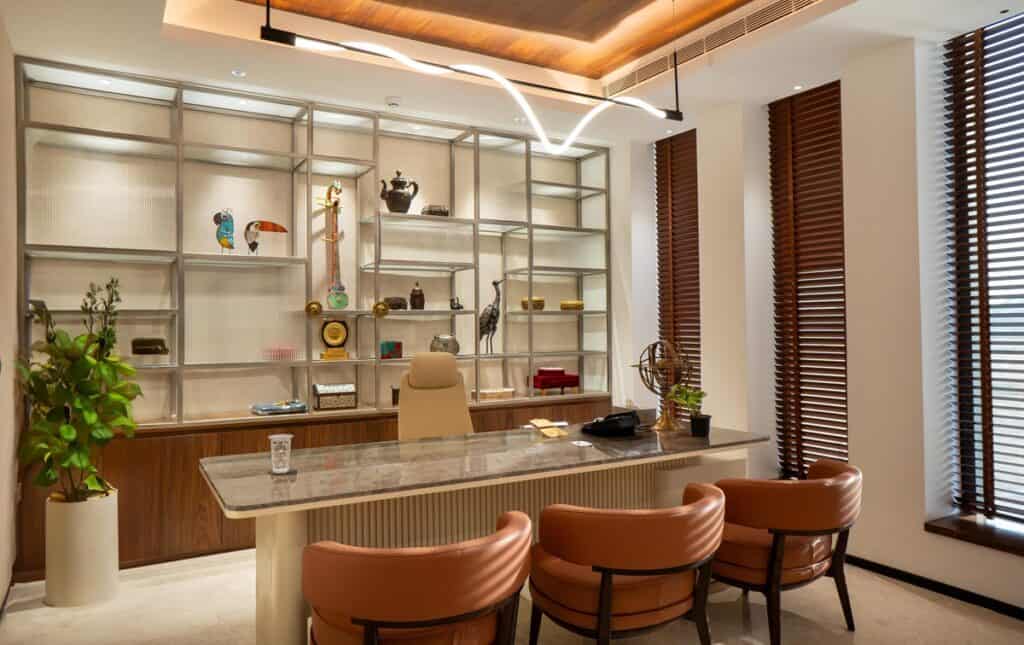
11. Design Flexible Executive Offices
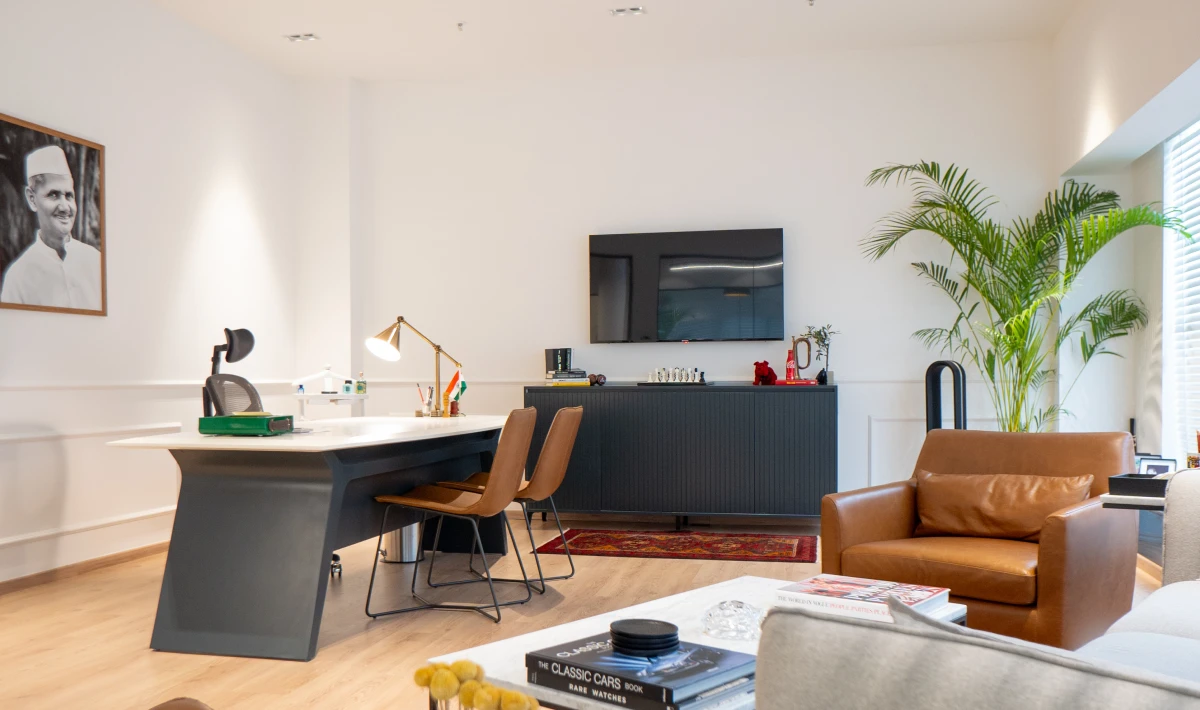
Executive spaces are now known to have more than one function. Meetings, focused work, and informal discussions happen in the same room. A well-done commercial interior design helps in striking a balance between authority and openness.
12. Use Human-Centric Lighting
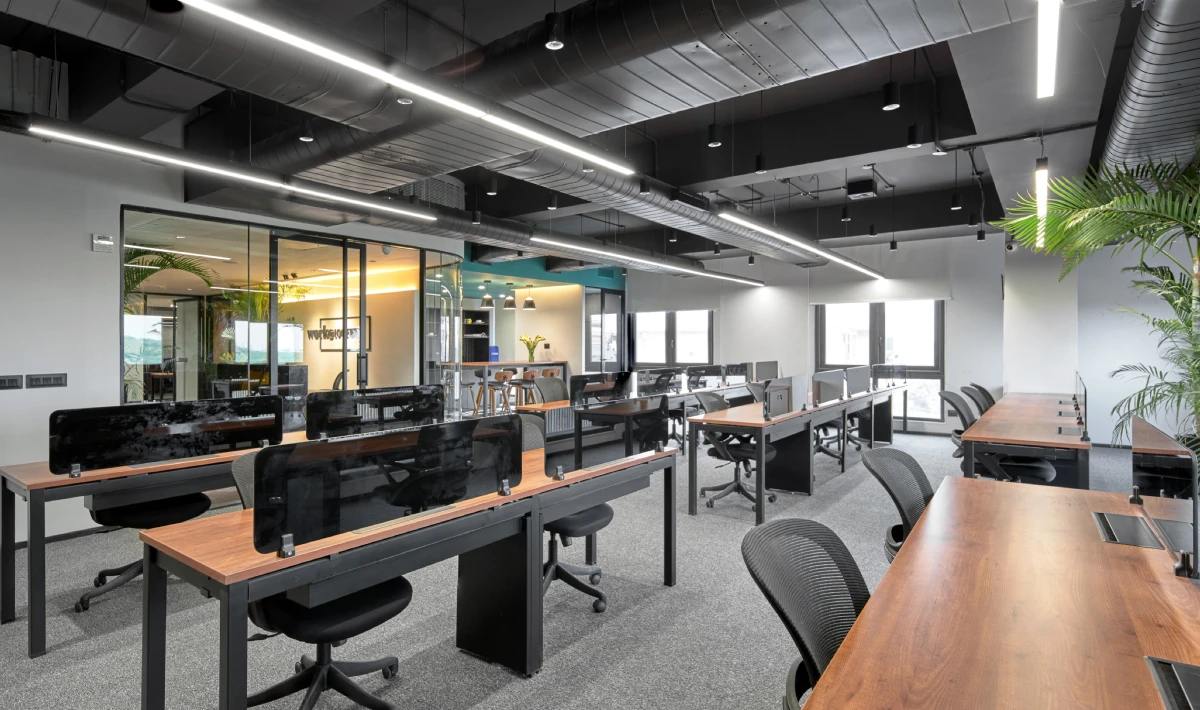
Lighting is the most important element of any design as it acts as a regulator. To complete tasks and reduce fatigue during long hours, layered lighting is the best option.
13. Plan Zoned Thermal Comfort
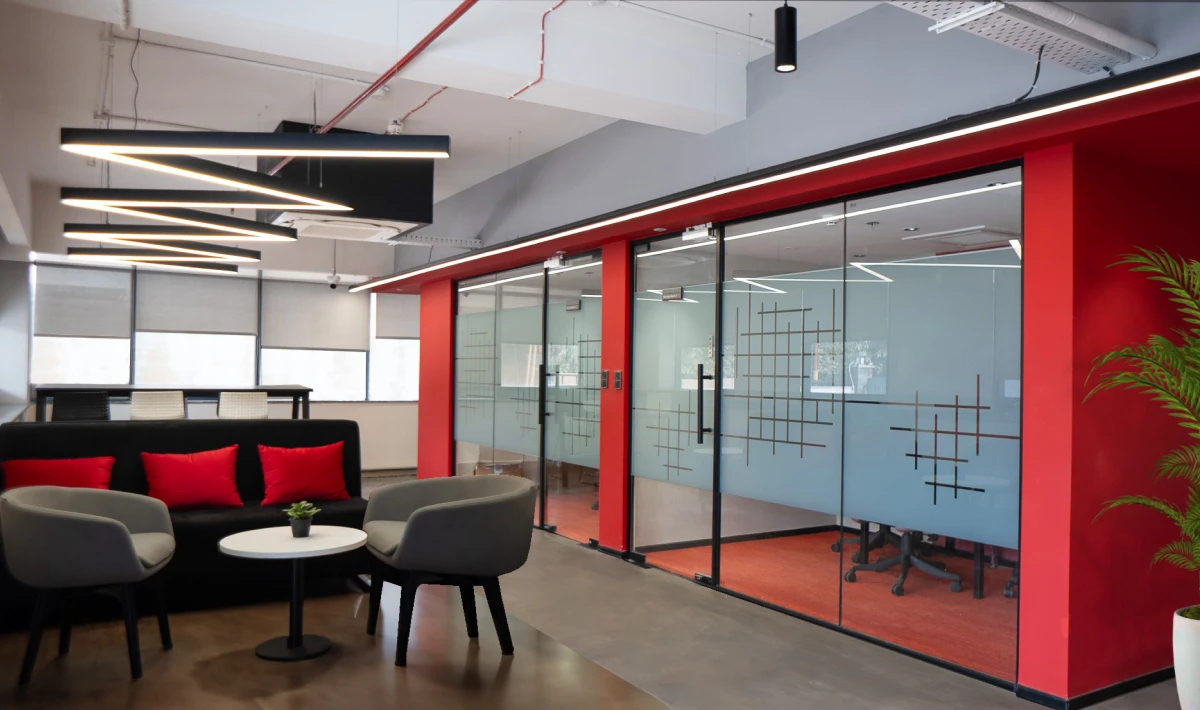
One temperature cannot please all. With the help of zoning, different areas such as meeting rooms and shared spaces remain comfortable.
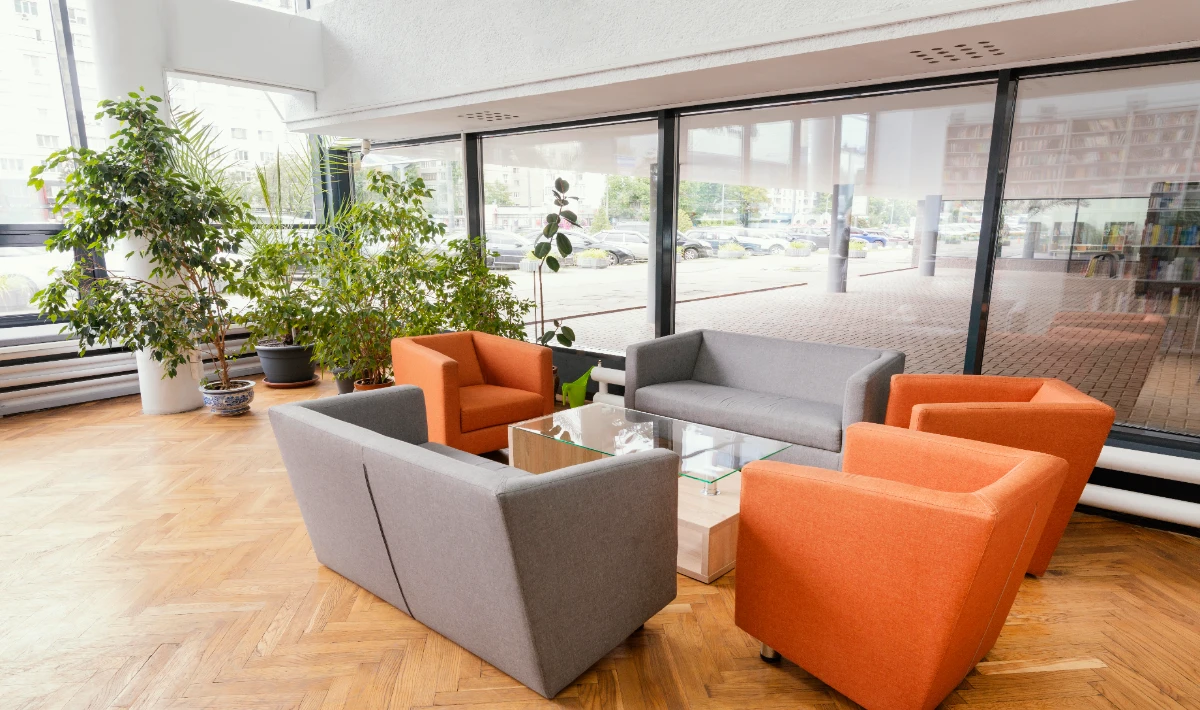
14. Create Work Cafes
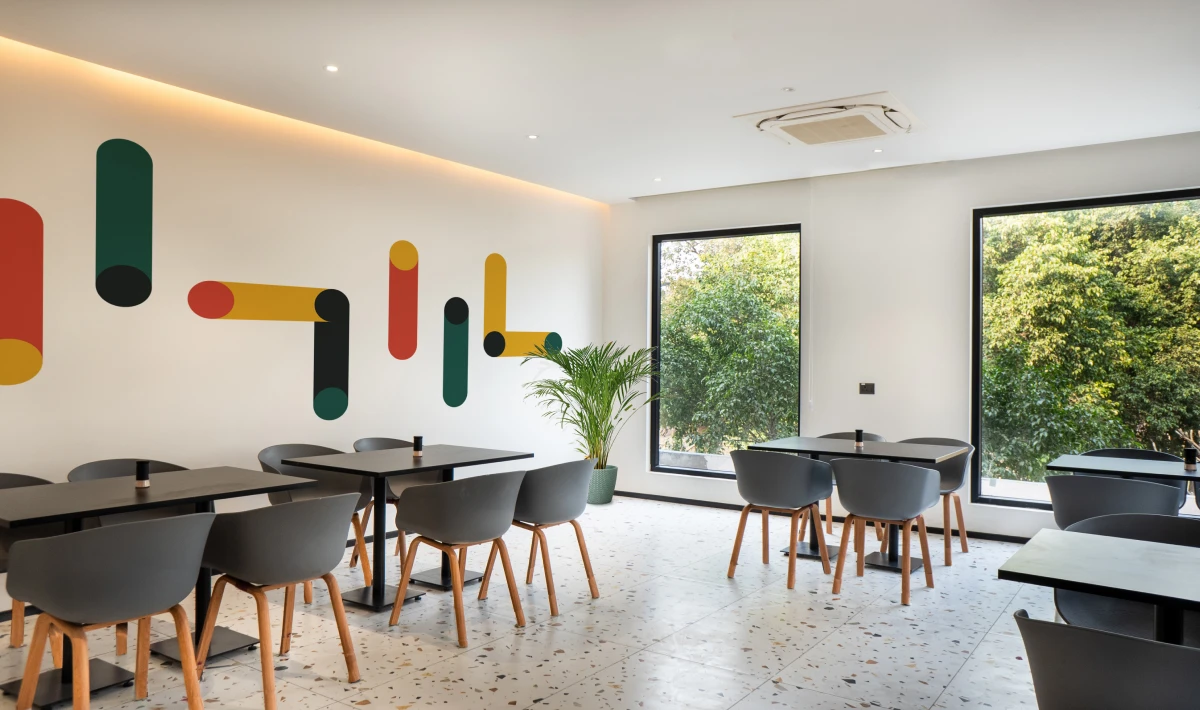
Pantries have evolved into casual workspaces. Short meetings, solo work, and informal conversations happen naturally here. Movement increases across teams.
15. Choose Durable Warm Materials
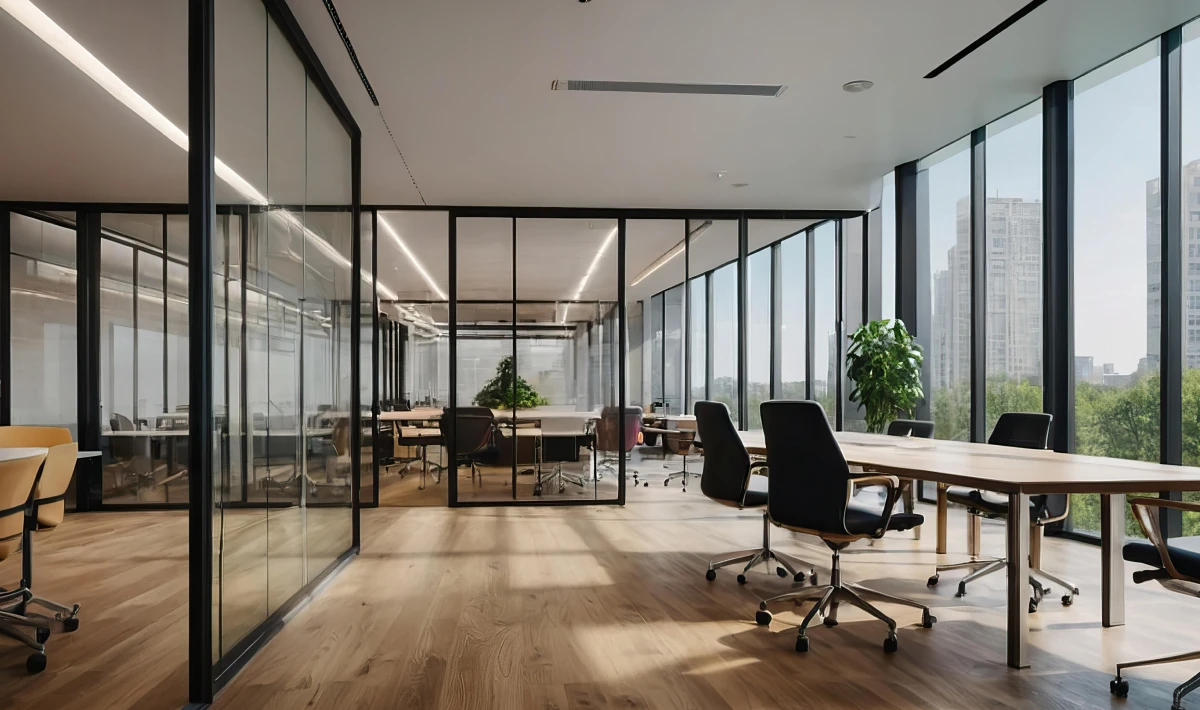
It is important to choose durable materials, but they should not give off cold vibes. Finishes are required to be strong and welcoming.
16. Guide Movement Visually
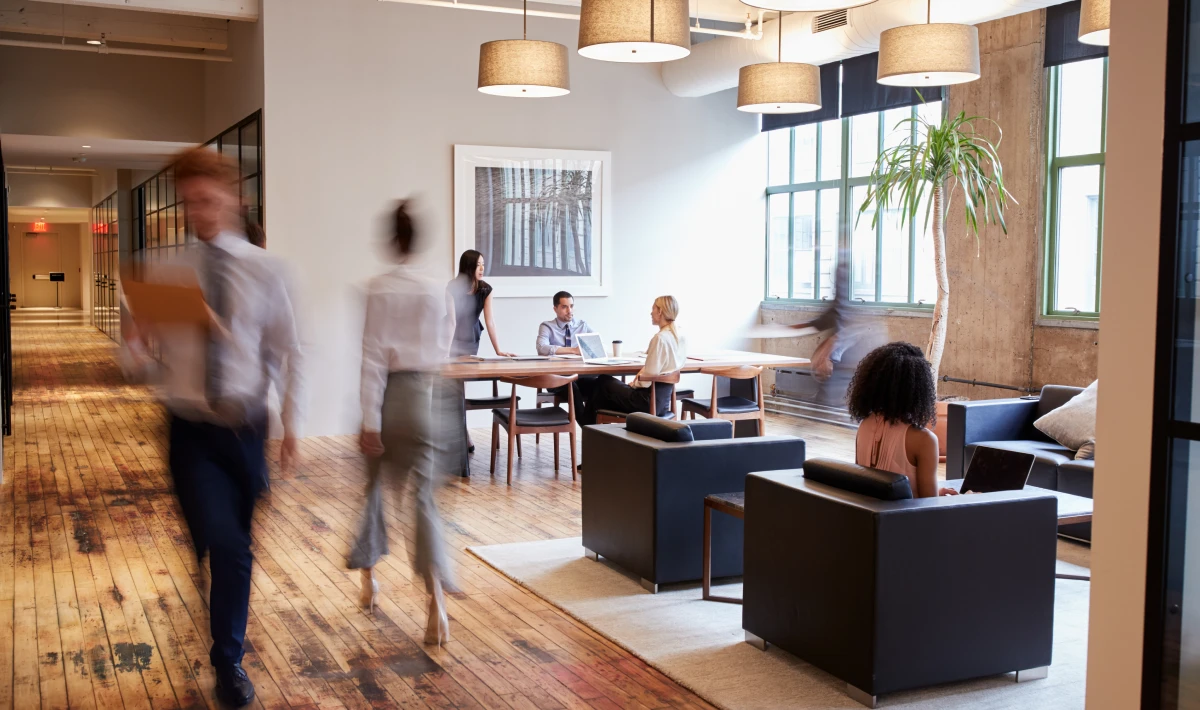
Change in flooring or different lighting helps teams move easily. Movement feels natural without any need for signage.
17. Provide Privacy Without Isolation
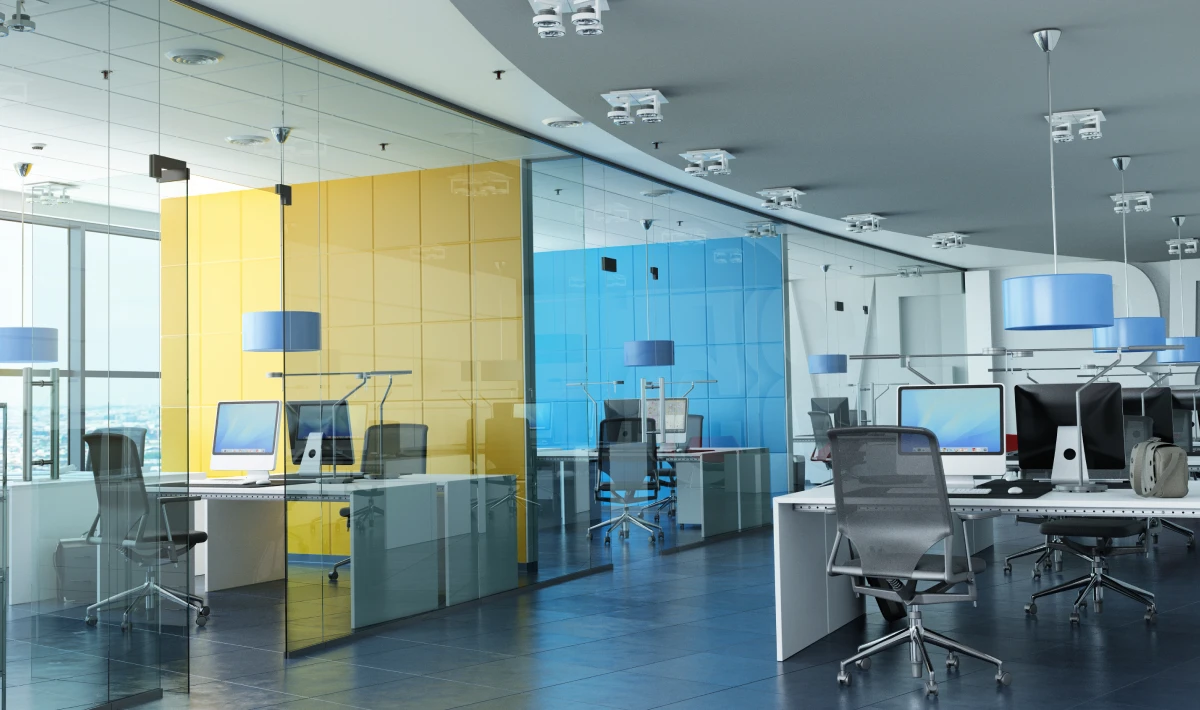
Glass and partial partitions are used for separation, but not for disconnection. Teams stay connected even with partitions in place, and focus improves, too.
18. Integrate Wellness Spaces
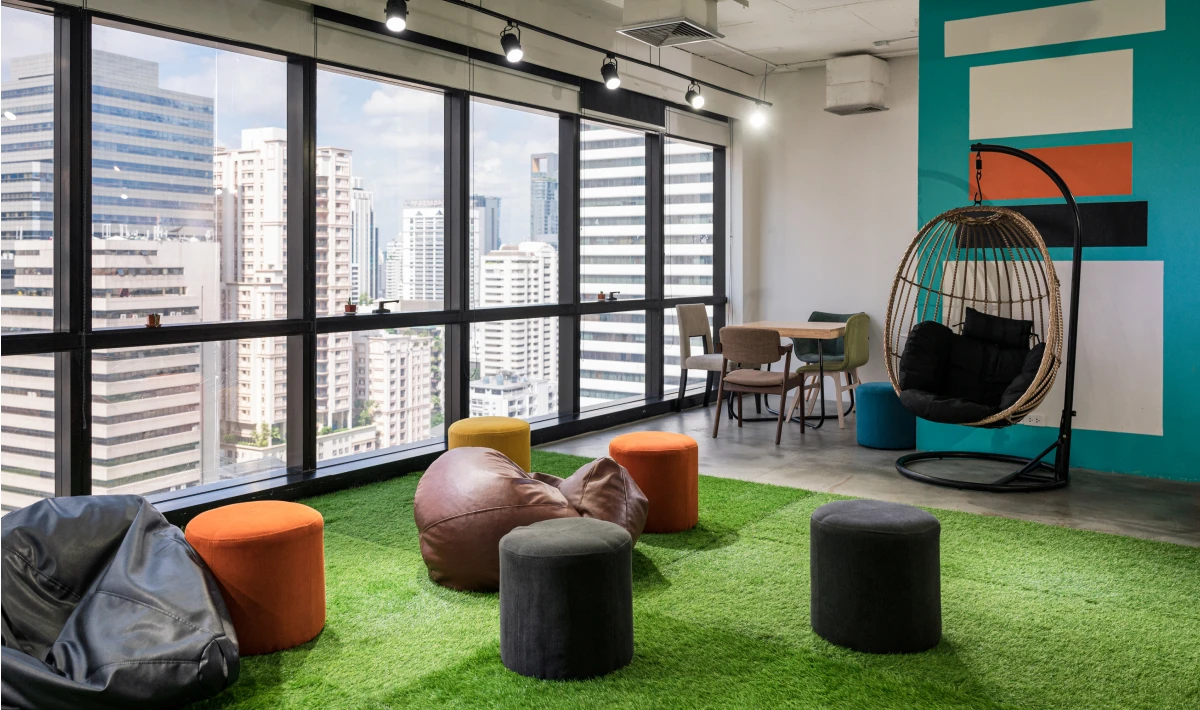
Employee wellness should be given preference. The wellness areas should feel natural. Beak areas and small spaces help teams stop and relax.
19. Use Data to Plan Spaces

It is evident that with data planning becomes easy. Movement and meeting data help understand the use of space and unutilised areas.
20. Design Cost-Effective Sustainability
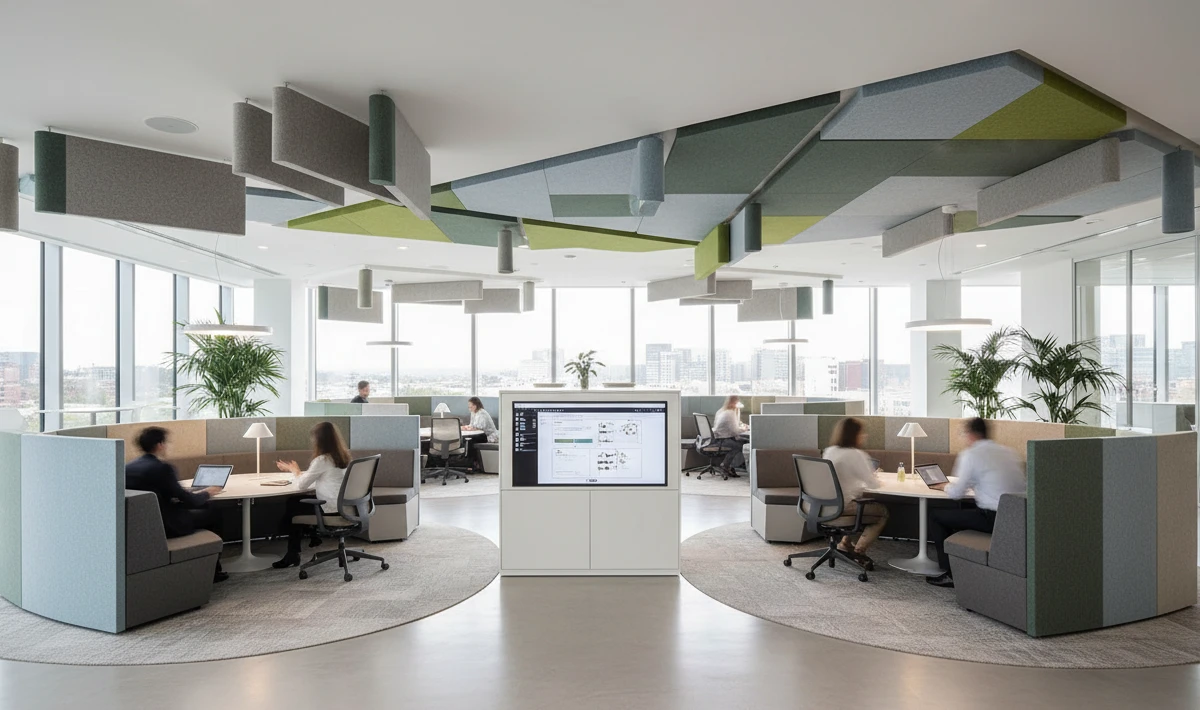
Sustainability cannot work alone; it requires being practical. Reduced cost is only possible when systems and materials are robust.
21. Design Strong Arrival Experiences
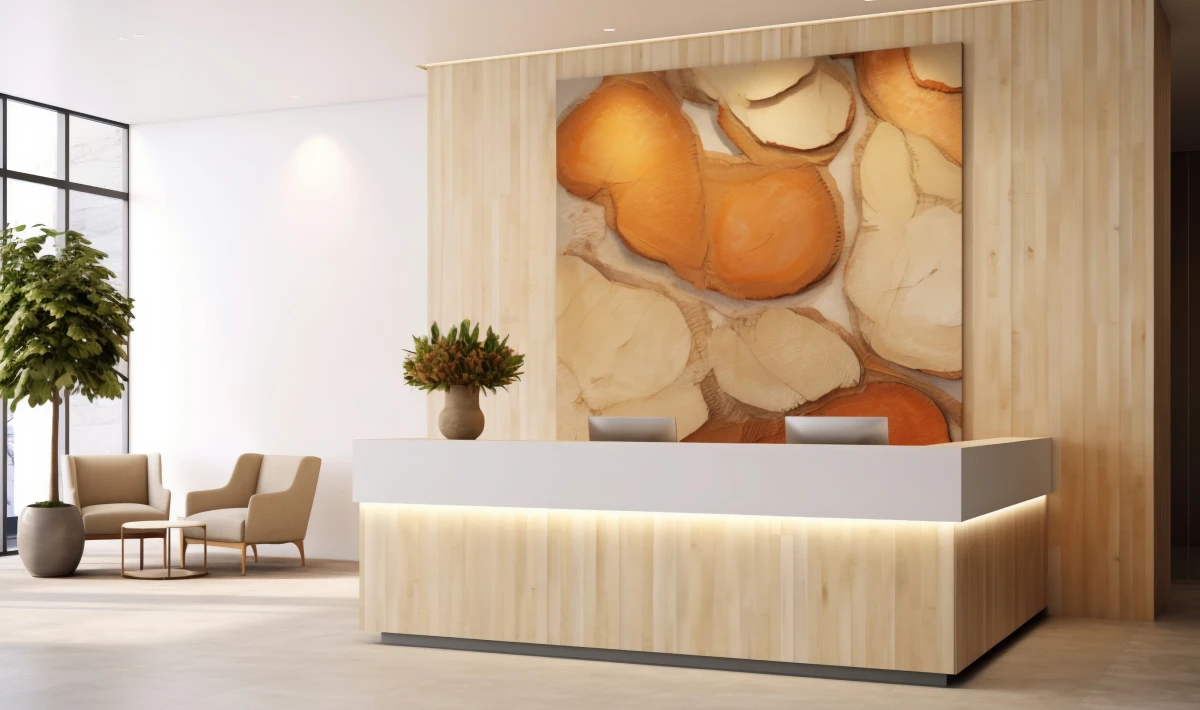
Arrival sets the tone. Simple and calm layouts also make visitors feel welcomed.
22. Build Storage into Architecture
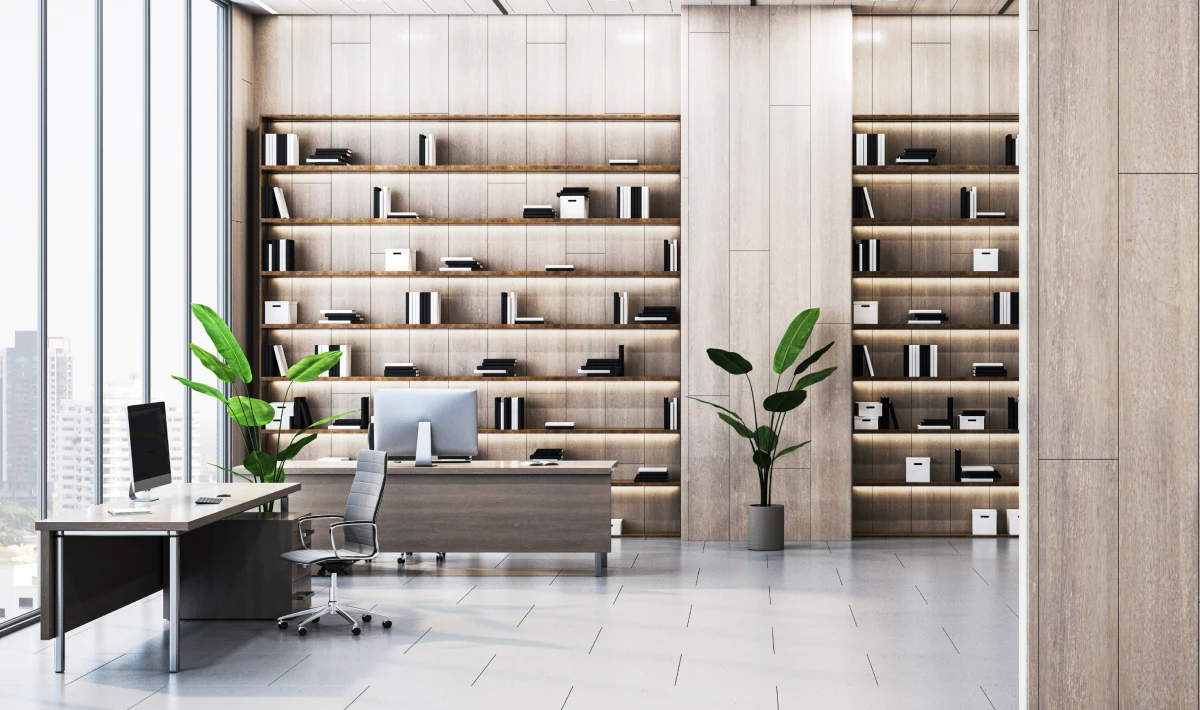
Storage will prove effective when planned early. Built-in or wall-mounted storage reduces clutter.
23. Design Multi-Use Training Rooms
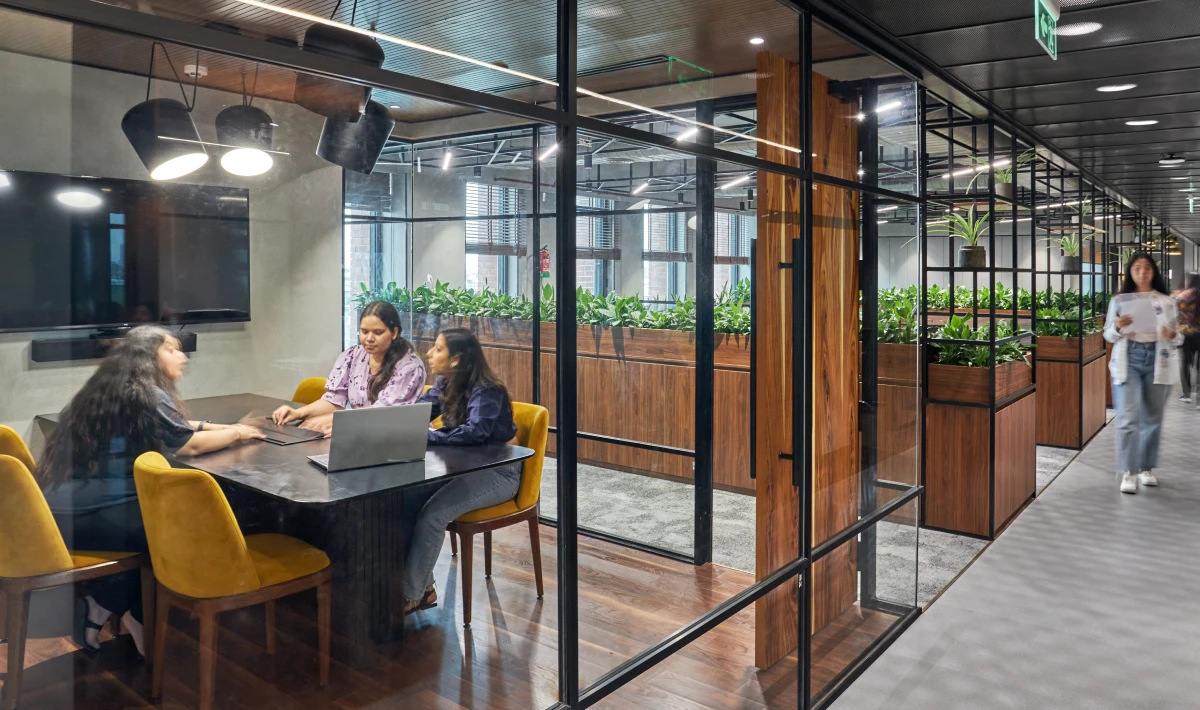
Training rooms perform better when flexible. Workshops, meetings, and presentations share the same space.
24. Reduce Visual Noise
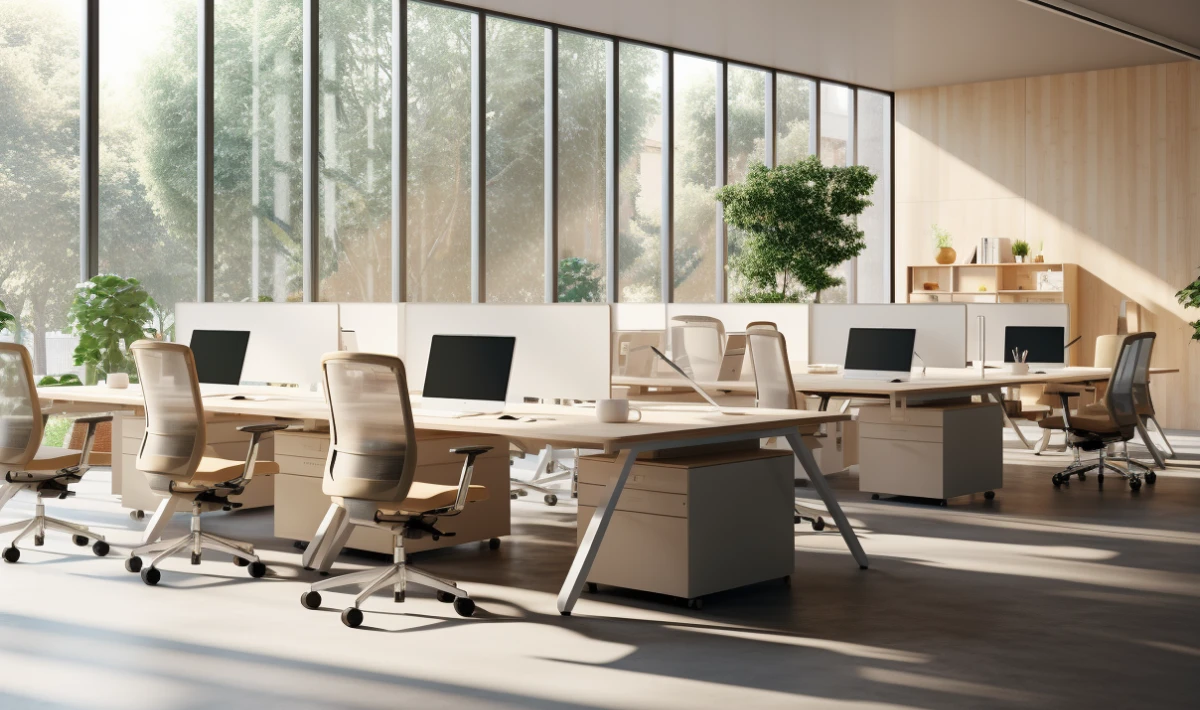
Too many colours distract attention. Controlled palettes help people concentrate longer.
25. Build a Neutral Long-Term Base
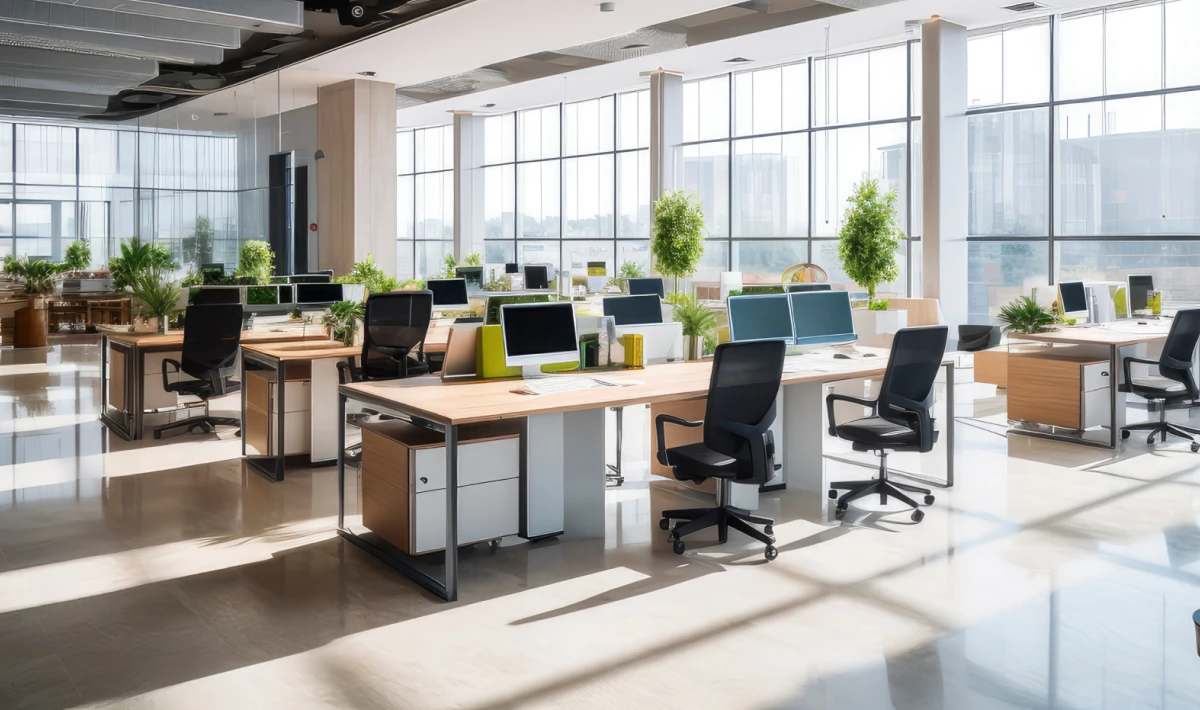
Neutral foundations last longer. Furniture and finishes evolve with the requirement, with extra cost or redesign.
What are the Various Types of Commercial Interior Design
Commercial spaces do not behave in one fixed way. Some remain calm through the day. Others stay active from morning to evening. People use these environments differently, and that directly shapes how interiors must respond. Design choices shift depending on daily routines, footfall, and the kind of work happening inside. Some of the design types are mentioned below:
● Office interiors
Office interiors are planned for long hours and mixed work styles. Open areas allow teamwork, while quieter zones help people focus without constant interruption.
● Corporate Reception Interiors
Reception areas influence perception within seconds. The focus stays on clear movement, comfort, and how the brand feels when someone first steps inside.
● Retail Interiors
Retail interiors help subtly guide the customer’s movement. It is a renowned type of interior design for commercial space.
● Hospitality Interiors
Hospitality spaces rely heavily on comfort. Seating, lighting and other elements help keep visitors comfortable.
● Healthcare Interiors
Healthcare interiors give priority to the cleanliness of the place. Layouts reduce confusion and help with smooth movement across the pathways.
● Educational Interiors
Learning spaces must support attention for long periods. Design reduces distraction while allowing interaction to happen naturally.
● Coworking Interiors
Coworking spaces change every day. Interiors support solo work, group discussion, and shared facilities without friction.
● Industrial Workspace Interiors
Industrial interiors focus on strength and safety. Materials are responsible for accommodating heavy use, and layout helps in supporting the movement.
● Creative Studio Interiors
Creative studios are designed to support the flow of ideas. Spaces are designed to be open and keep the environment productive.
● Hybrid Work Interiors
Hybrid interiors adjust to changing work patterns. Zones remain flexible as teams shift between remote and in-office work.
Each type needs a clear interior design for a commercial space approach to work properly.
What are the Benefits of Commercial Interior Design
Business interiors affect people slowly and quietly. Small designs help in building employee comfort and efficiency. Some of the benefits are mentioned below:
1. Improves Daily Productivity
Clear layouts reduce confusion and unnecessary movement. People focus better when spaces feel organised.
2. Supports Employee Comfort
Comfort is not just about chairs. Whether it is lighting, spacing or airflow, all these things improve comfort all day.
3. Creates a Positive First Impression
Visitors sense order and confidence almost immediately. A well-planned space builds trust before any discussion starts.
4. Strengthens Brand Presence
Brand identity shows through materials and spatial flow. It feels present without dominating the environment.
5. Reduces Long-term Maintenance
Durable finishes age better. These finishes also help in lowering repair costs and redesigning efforts.
6. Encourages Collaboration
Informal meeting areas support teamwork without disrupting focused work.
7. Improves Space Efficiency
When planning is right, no area feels wasted. Even smaller spaces work well.
8. Supports Safety and Compliance
Clear circulation and suitable materials reduce risk in busy areas.
9. Reduces Noise and Distractions
Acoustic planning keeps sound under control, improving focus.
10. Adds Long-term Business Value
Flexible interiors adjust as businesses grow instead of becoming outdated.
What are the Key Elements of Commercial Interior Design
Before finishing or styling decisions, a few basics decide how well a space performs. The elements below form the backbone of a functional interior.
- Layout Planning: Layout controls movement, seating, etc. Good layouts help create an open space.
- Lighting Design: The lighting design balances daylight and artificial light to help reduce eye strain.
- Furniture Selection: It is important to select furniture that has a long lifespan. The selected furniture should also support posture and comfort.
- Acoustic Planning: Acoustic planning helps manage sound levels and protect privacy.
- Material Selection: Materials which are durable should be chosen for strength.
- Storage Solutions: Built-in storage keeps work areas organised and easy to use.
- Technology Integration: Technology plays a very important role in layout design. It also supports meetings and connectivity.
- Safety Planning: Clear exits and safe circulation protect occupants.
- Colour Planning: Colours influence mood over long periods of use.
- Zoning: Separates work, meeting, and informal areas clearly.
These elements guide effective commercial interior design services.
Why is Commercial Interior Design Important for Businesses
Work environments shape behaviour every single day. Poor planning always leads to discomfort. Offering work to a reliable commercial interior design firm ensures the fulfilment of long-term business needs.
Conclusion
Commercial spaces perform well when the design supports teams and not visual appeal. Comfort, clarity, and function matter more than how things are showcased. Thoughtful planning helps teams work better, visitors feel confident, and operations run smoothly over time. Well-planned commercial interiors quietly support daily business growth and adapt as needs change.
Planning a workspace upgrade? Work with experienced interior designers for office who understand how commercial spaces are actually used.