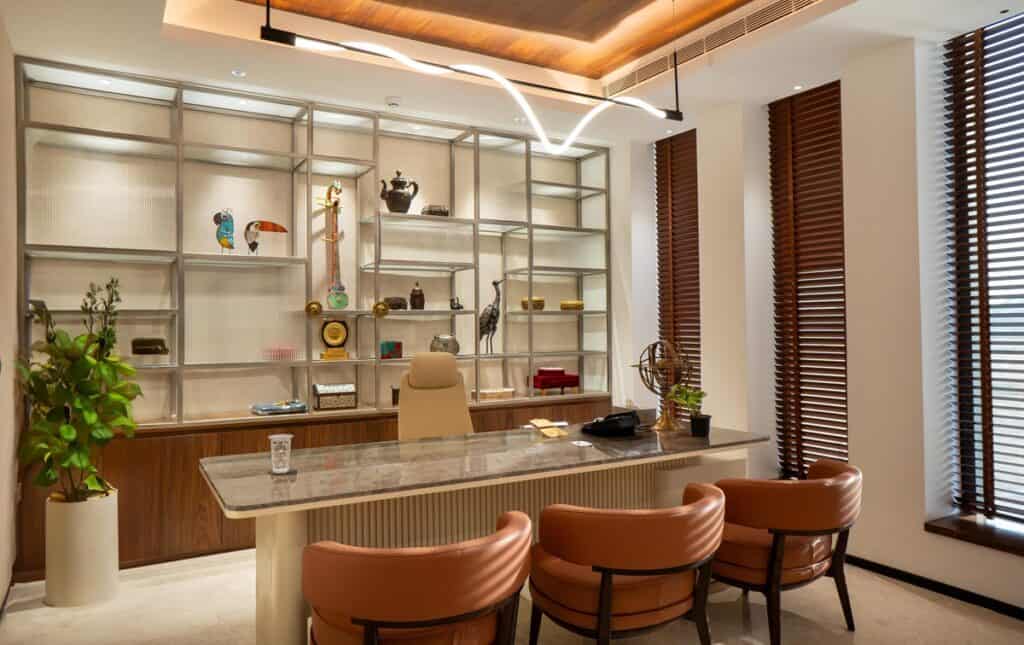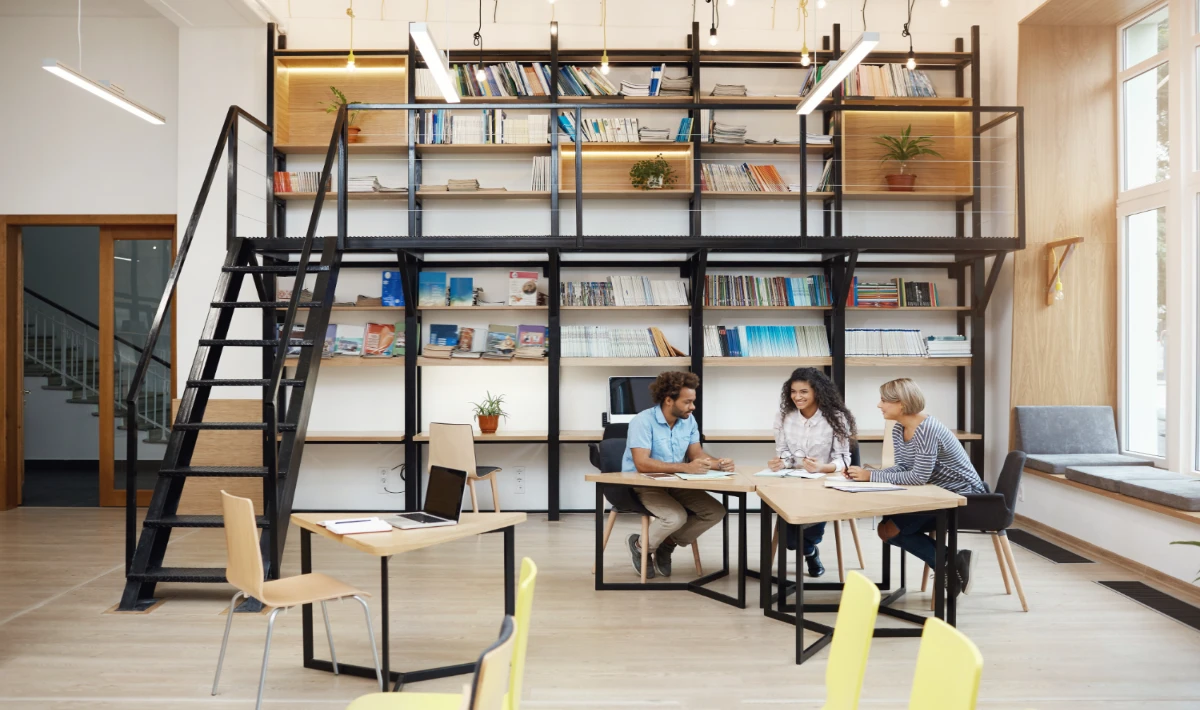
Architect office interior design answers a simple question. How should a workspace support creative thinking and daily collaboration? An architect’s office is not a place where work simply happens. It is where ideas slowly form, drawings change shape, and discussions turn into decisions. When the space feels calm and organised, thinking becomes easier. Even smaller studios can feel inspiring with the right layout. A well-planned office space helps teams work with full dedication and intent to excel.
For workspaces that need thoughtful planning support, working with experienced office interior decorators in Bangalore helps translate creative intent into usable spaces.
What Are the Top 10 Architect Office Interior Design Ideas
Below are practical ideas that work across studios of different sizes.
1. Open Layouts With Defined Zones
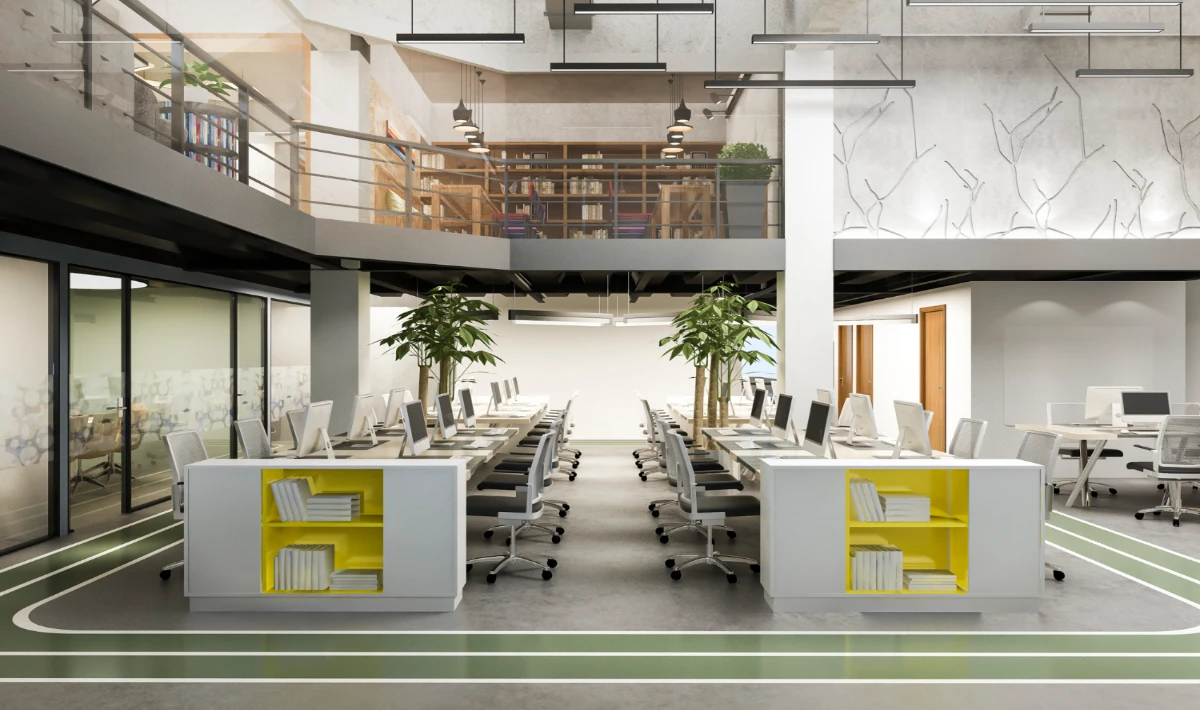
Open layouts allow quick communication and shared thinking. However, without zoning, the area can feel noisy.
2. Multi-use Furniture
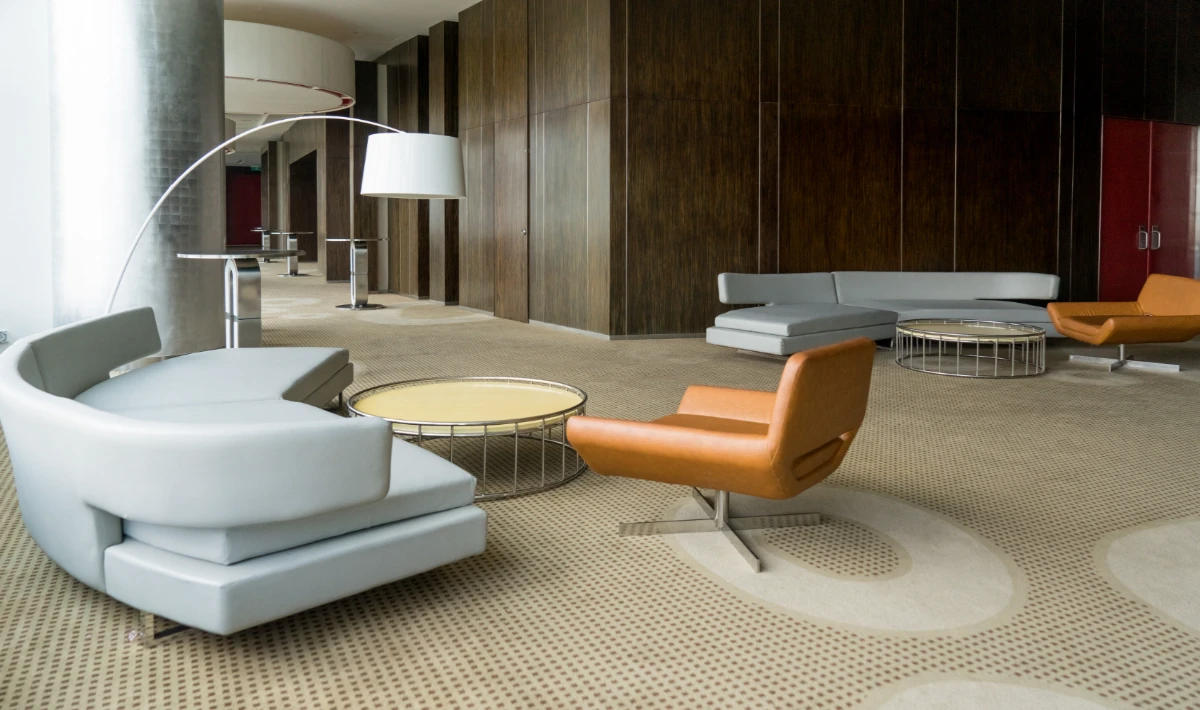
For a small architect office interior design, furniture should be able to play a diverse role. Tables that work as desks and meeting surfaces save space and keep layouts flexible.
3. Vertical Storage
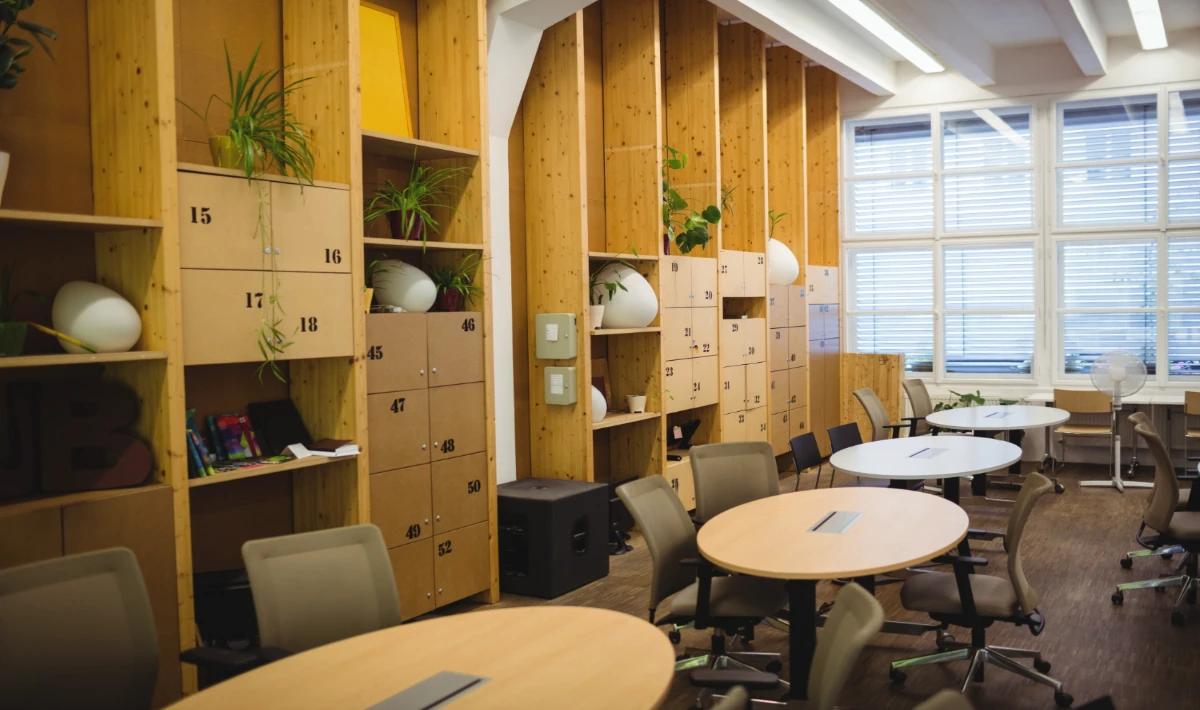
Vertical storage in the form of wall-mounted shelves and cabinets to keep the documents and other things organised is a great idea.
4. Glass Partitions to Maintain Light Flow
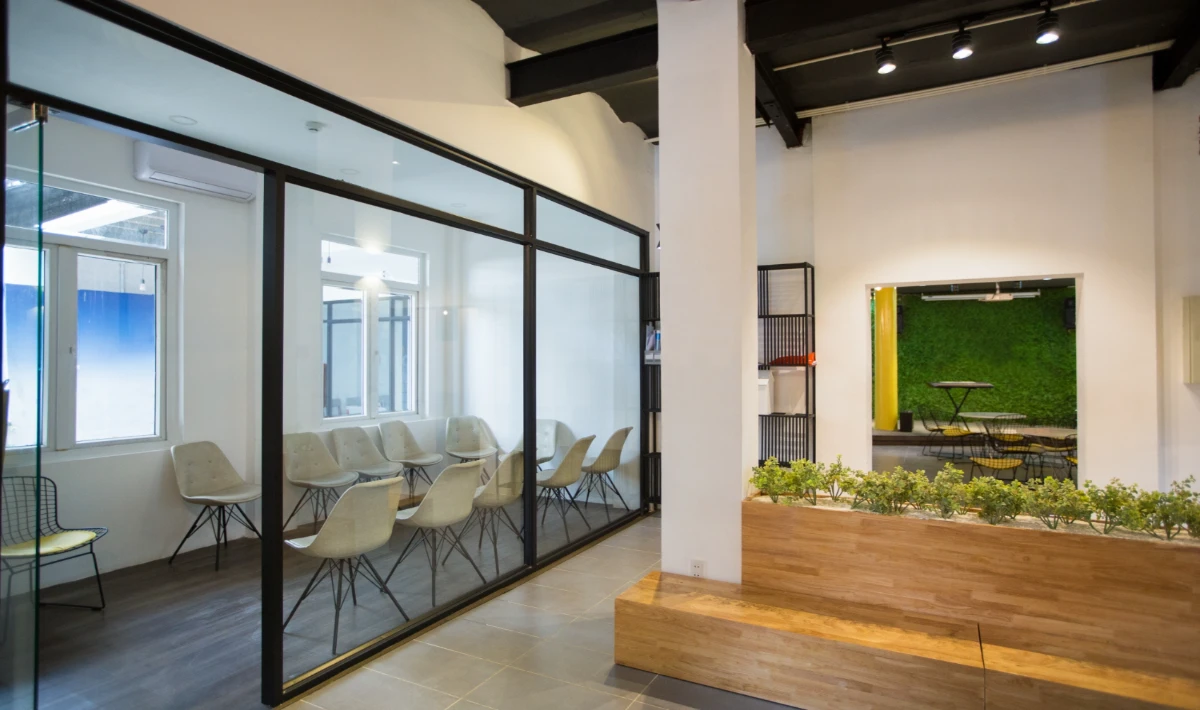
Glass partitions define spaces without blocking light. They help studios stay open while offering visual separation.
5. Flexible Seating for Team Discussions

Movable chairs and stools allow teams to gather quickly. This supports informal collaboration and time management.
6. Clear Pathways
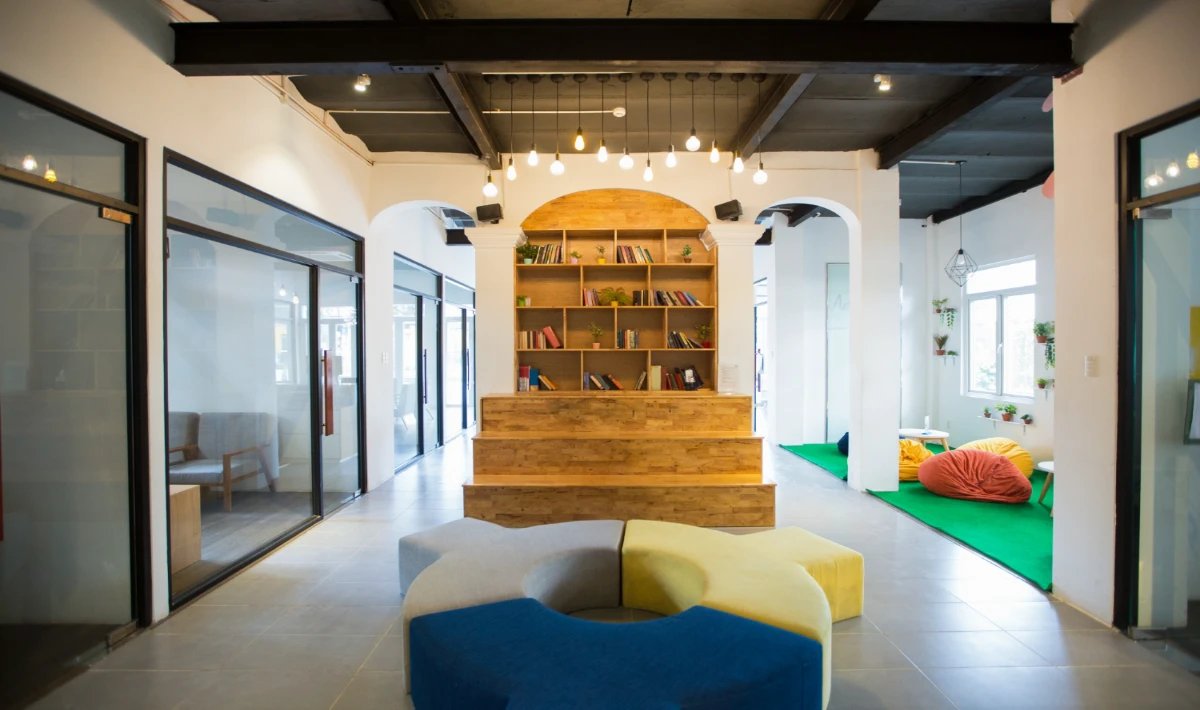
It is important to have clear and clean movement between workstations and other areas. Poor circulation often leads to daily frustration.
7. Comfortable Lighting for Daily Work
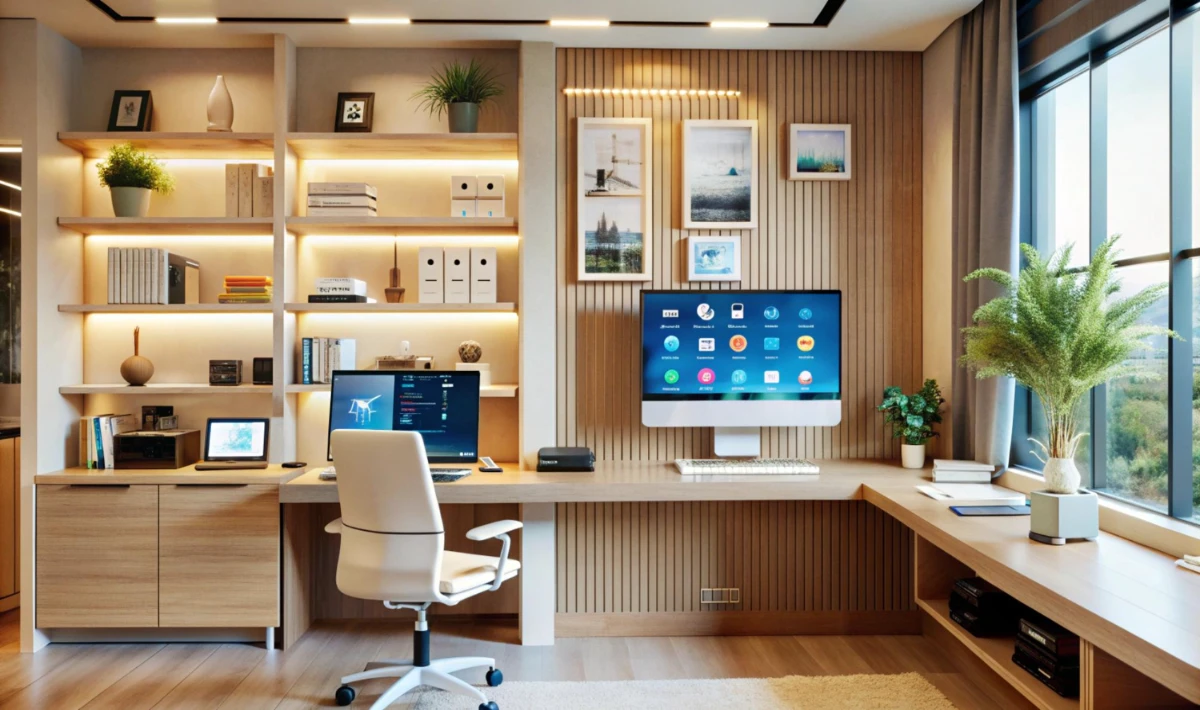
Architect offices often run for long hours. People sketch, look at screens, and move between tasks throughout the day. When lighting is too bright or too dull, it becomes tiring very quickly. In architect office interior design, lighting works best when it feels even and calm. Steady light helps people stay focused without noticing the source.
8. Clear Spaces for Sketching and Reviews
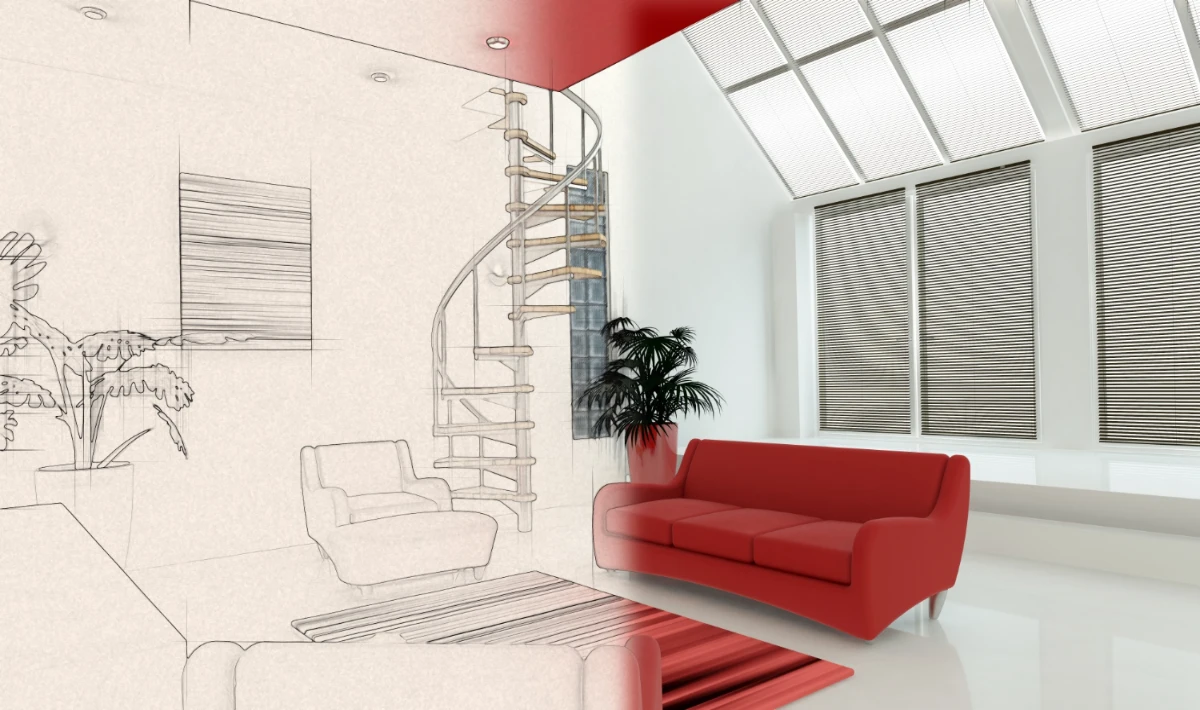
Work in studios does not follow a fixed pattern. Sketching, pin-ups, and quick reviews happen whenever needed. Interior design for architect office spaces feels easier when there is a clear area for this kind of work.
9. Defined Break Areas
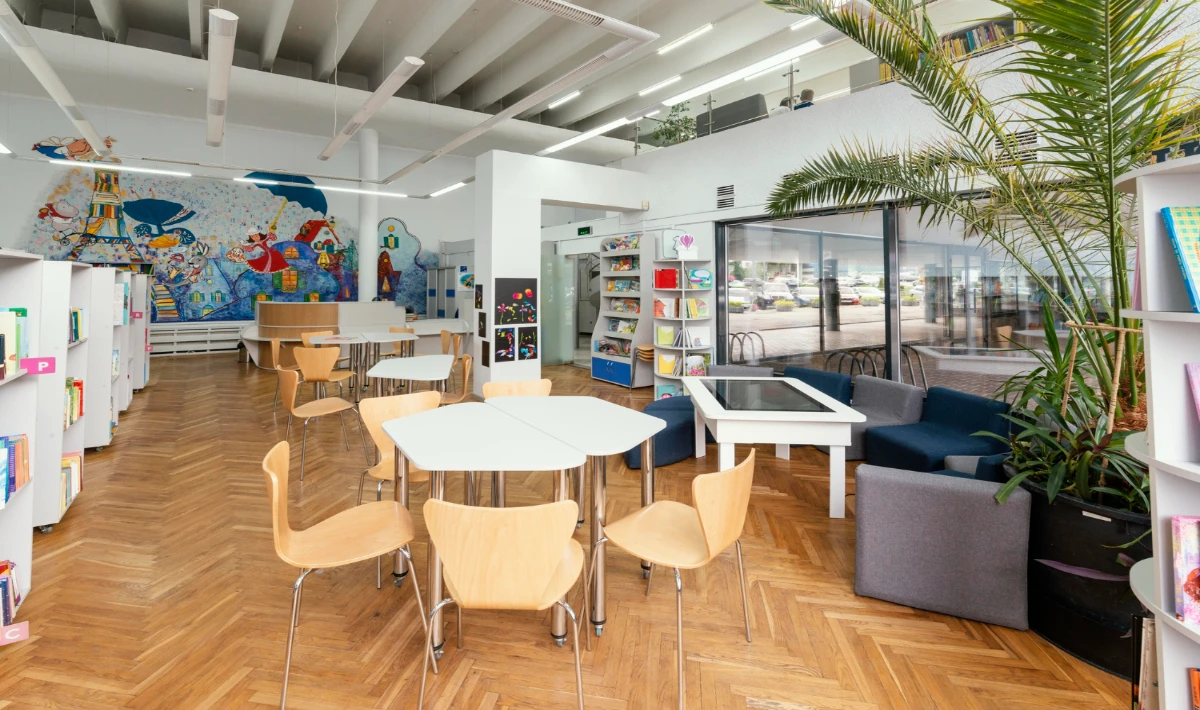
Short coffee breaks or quiet moments help people rest and regain focus. A thoughtful architect office interior design places rest areas in a work-free zone.
10. Layouts That Can Change Over Time

Architect offices change with time. New projects start. Teams grow or move around. What looks good on paper may need adjustment after a few months. Interior design for architect office setups works better when small changes are easy to make.
Not every studio needs all of these ideas. What matters is choosing what suits the team, not copying another office.
Why Does Architect Office Interior Design Matter
Office design affects how work flows every day. Poor layouts interrupt focus and slow collaboration in ways that are easy to overlook at first. Over time, these small interruptions begin to affect energy and creativity.
A strong architect designer office interior supports movement and teamwork without calling attention to itself. When people stop thinking about where to sit or where to place drawings, they can focus fully on design problems.
The office also shapes client perception. Visitors often form opinions within minutes. A studio that feels clear and organised builds trust quietly. Many firms notice that conversations feel smoother once the workspace itself feels settled.
Interestingly, some of the best studios are not the most stylish ones. They are simply easy to work with.
How Can Architect Office Interior Design Support Daily Work
Work inside an architect’s office rarely follows a strict routine. Teams juggle between sketching, reviewing and discussions all day, making designs better. The workspace must support teams at all costs; this also makes them feel valued.
Good architect office interior design includes shared tables where teams can gather easily. To benefit from collaboration, well-defined seatings are required.
Storage placed near work zones reduces clutter. Balanced lighting prevents fatigue. When these elements work together, work feels smoother and less tiring.
Many architects say they notice the difference only when they work late. A well-designed space feels calmer even at the end of the day.
When Should Architects Redesign Their Office Interiors
Redesign usually becomes necessary when the office no longer supports how people work. This often happens as teams grow or project types change. If collaboration feels restricted or storage starts spilling into work areas, it is often a sign. Even small changes in architect office interior design can help in restoring the required balance.
Relocation, rebranding or expansion also creates opportunities for redesign. The right time is usually when the space feels tiring to work in, rather than outdated to look at.
How Does Furniture Choice Shape Architect Offices
Furniture affects comfort more than most people expect. Architects spend long hours seated or standing at worktables, often without noticing strain until it builds up. An architect cum interior designer for furnishing office space focuses on ergonomic seating and wide work surfaces. Poor furniture choices slowly reduce focus and energy.
Flexible furniture allows studios to rearrange layouts easily. This becomes especially useful in the small architect office interior design, where space must adapt often. Some teams rearrange their furniture every few months. That is not a problem. It is part of how studios evolve.
Why Are Modern Architects Choosing Open Layout Office Designs
Open layouts encourage transparency and teamwork. Architects often work in groups, and open spaces allow ideas to move freely. Modern architect office interior design balances openness with zoning. This prevents noise from spreading while keeping the studio connected.
Glass walls are commonly used for meeting rooms. They maintain visual openness while offering privacy when needed. When planned well, open layouts support both focus and energy.
Also read: How to Design a Modern Office That Will Inspire Productivity
How Can Small Architect Offices Look Modern and Spacious
Small studios benefit from simplicity. Light colours and clear layouts help spaces feel open. A small architect office interior design works best with wall-mounted storage and compact furniture. This keeps movement easy.
Glass and mirrors help improve brightness and invite more natural light to the workspace. These elements make small offices feel modern without any requirement to redo things.
Conclusion
A thoughtful architect office interior design supports creativity, focus and collaboration. With a well-organised space, a smooth workflow is guaranteed. Each element, whether it is furniture, layout or lighting, matters and helps drive the workspace and the team.
Officebanao helps architects create studios that are in sync with their work needs. Planning a workspace that balances creativity with function? Connect with experienced interior designers for office who understand professional environments.