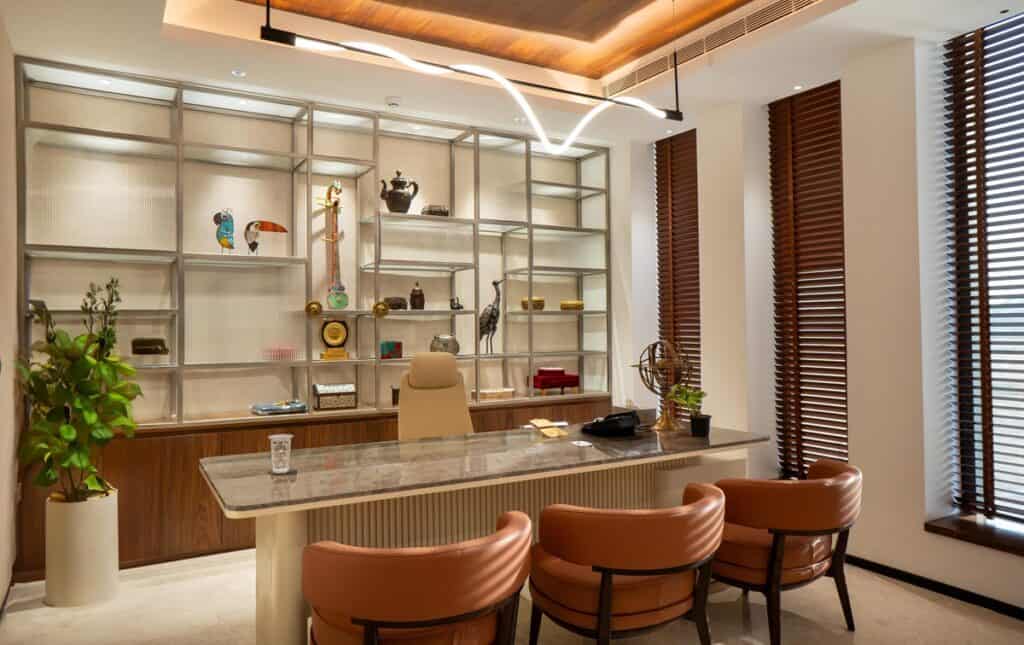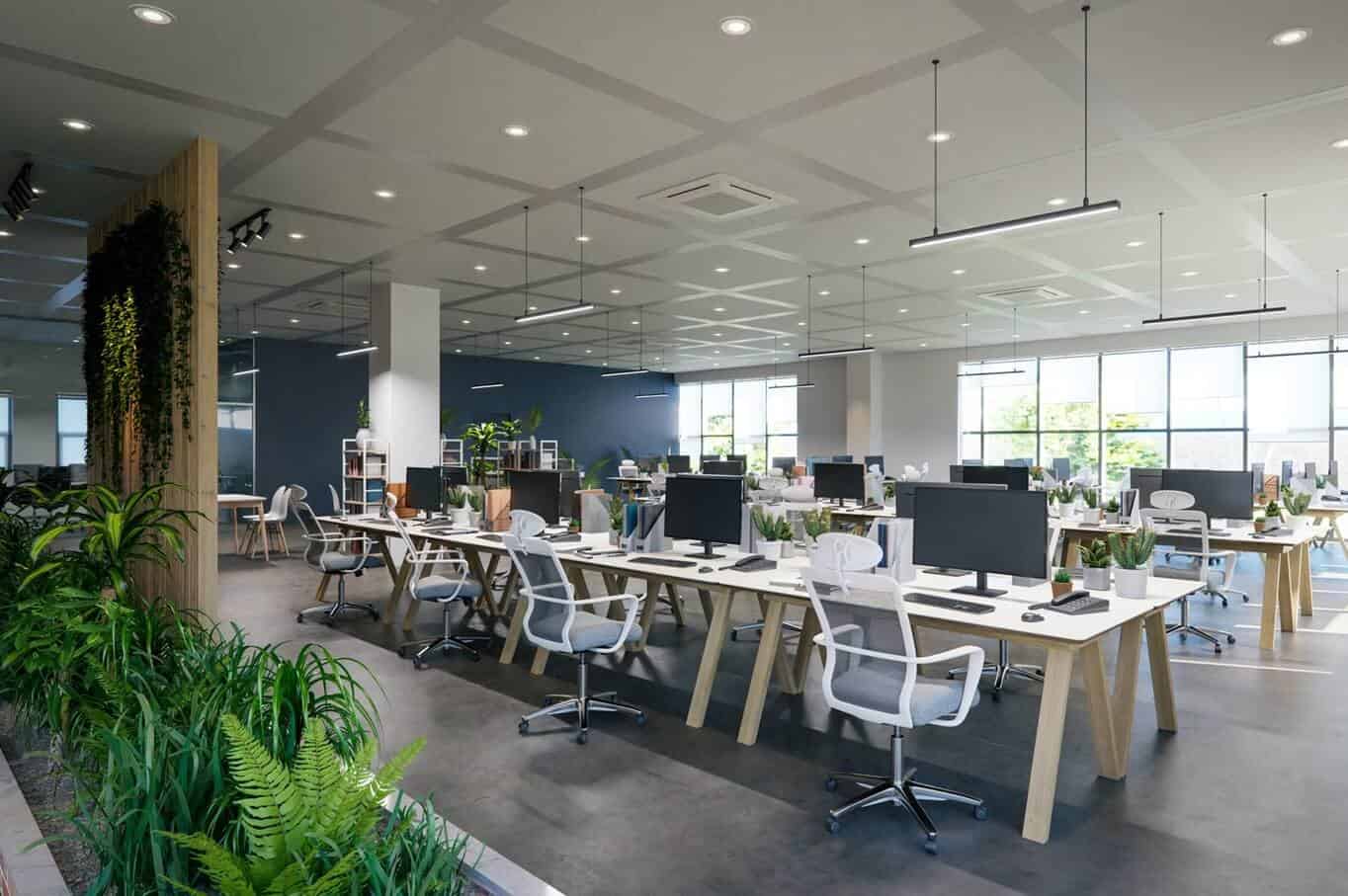
Office interior design is like giving your workspace a makeover. It’s not just about making it look pretty, but it can also make a big difference in how people feel and work. In a corporate office interior design, where people spend a lot of time, the design matters a lot.
Good interior design can make the office a comfortable and pleasant place. When it’s comfortable, employees are happier and more productive. Imagine working in a place with nice colors, comfortable chairs, and good lighting – it just feels better!
The design also reflects the company’s personality. It’s like the office’s way of saying, “This is who we are!” When clients or visitors come in, a well-designed office creates a good impression. It shows that the company cares about its image and values a good working environment.
Step 1: Look at Your Office Now

Before making any changes, take a good look at your office. Check out how things are set up, where people work, and how the space feels. Look at the furniture, colors, and office layout. See what’s working well and what might need a little improvement. This step is like taking a snapshot of your current office so you can figure out what changes will make it even better.
Step 2: Figure Out Who You Are
Now that you’ve looked at your office, it’s time to think about your company’s personality. What makes your company unique? What values are important to you? This step is like giving your office a personality makeover. Consider your company’s mission, vision, and culture. Think about the kind of message you want your office design to send about your company. This will help guide the choices you make as you transform the space.
Step 3: Count Your Coins
Once you know how you want your office to feel, it’s time to think about money. Set a budget – how much are you willing to spend on this corporate office interior design makeover? This step is like planning how much you can afford for the changes you want to make. It helps you make smart choices and keeps things from getting too expensive.
Step 4: Check Out the Cool Stuff
Now that you know what you can spend, it’s time to see what’s trendy in corporate office interior design. Look for ideas that match your company’s style. This step is like flipping through a design magazine for inspiration. You might find cool furniture, color schemes, or layout ideas that fit your budget and make your office look awesome. Keep an eye out for what’s popular in corporate office interior design – it’s like staying in fashion but for your office!
Step 5: Imagine Your Perfect Office Look
Now that you’ve gathered inspiration and ideas, it’s time to let your creativity flow. Imagine how your ideal office would look and feel. Consider the colors, the atmosphere, and the overall vibe you want. This step is like creating a mental picture of your perfect workspace. Visualize a place where everyone feels motivated, comfortable, and proud to work. Keep this vision in mind as you move forward with the design process.
Step 6: Smartly Organize Your Space
With your dream corporate office interior design in mind, it’s time to bring it to life by arranging things thoughtfully. Plan where desks, chairs, and common areas will be located. This step is like creating a strategic game plan for your corporate office interior design. Consider the flow of movement, accessibility, and functionality. Aim for a setup that promotes collaboration, minimizes clutter, and maximizes productivity. Think of it as organizing the pieces of a puzzle to create a workspace that makes sense for everyone.
Step 7: Hunt for Comfort and Style
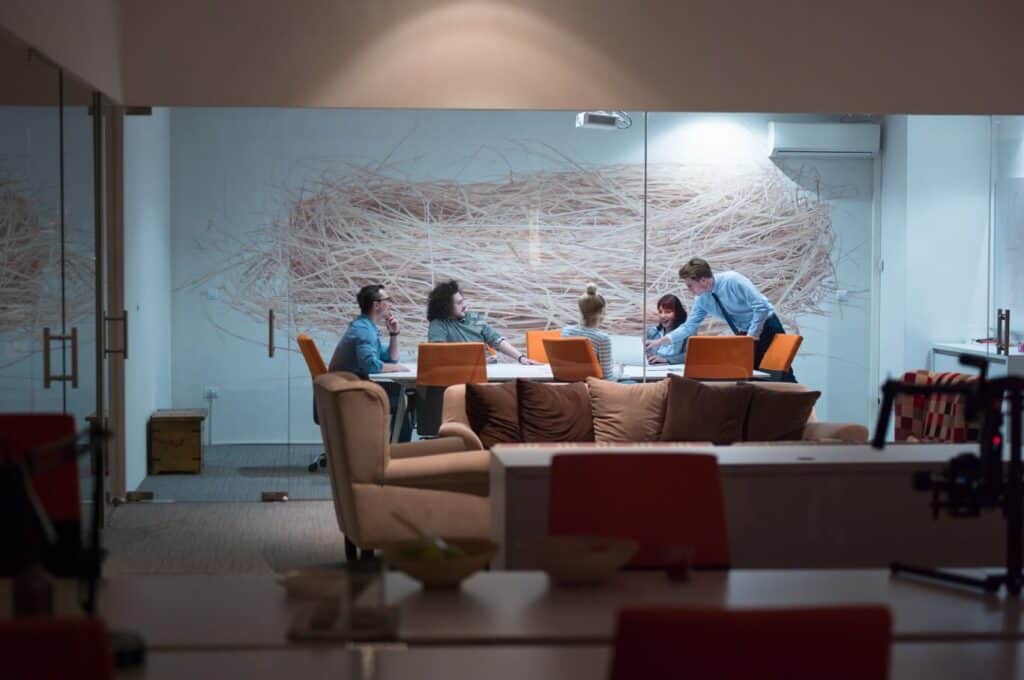
Now that you’ve got the layout sorted, it’s time to bring in the furniture that will make your dream office a reality. Look for pieces that not only look cool but also provide comfort for your team. This step is like going on a shopping spree for your office – choose chairs, desks, and furniture that match your envisioned style.
Step 8: Let There Be Light
Lighting is a crucial element in creating the right ambiance for your office. Think about how you can brighten up the space to enhance productivity and mood. This step is like setting the stage with the perfect lighting. Consider natural light sources and artificial lighting solutions that complement your office design. Ensure each area is well-lit, minimizing shadows and creating a comfortable environment. Just as good lighting enhances a photograph, it transforms your office into a well-lit, welcoming space where everyone can shine.
Step 9: Embrace the Tech Revolution
In today’s digital age, integrating technology seamlessly into your office is essential. This step is like gearing up for a tech adventure. Make sure your office is equipped with the latest gadgets and tech-friendly setups. Hide those messy cables, ensure a robust Wi-Fi connection, and explore innovations that can boost efficiency. Embracing the techie side of your corporate office interior design ideas is like giving it a futuristic edge, making tasks smoother and your workspace a hub of modern productivity. Stay connected, stay smart!
Step 10: Focus on the Reception Area
Your reception area is like the smile that welcomes everyone to your office. Make it stand out and reflect your company’s personality. This step is about turning your reception into a friendly and inviting space. Consider comfortable seating, stylish decor, and elements that showcase your brand identity. Ensure visitors feel positive vibes right from the moment they step through the door.
Step 11: Enhance Collaboration Spaces
Now it’s time to boost collaboration in your corporate office interior design. This step is about creating spaces that inspire teamwork and innovation. Design meeting rooms, breakout areas, or collaborative workspaces that encourage open communication and idea-sharing. Consider comfortable furniture, writable surfaces for brainstorming, and the necessary tech tools to facilitate collaboration. The goal is to make your corporate office interior design a hub of creativity where team members can come together to generate great ideas.
Step 12: Prioritize Privacy
While collaboration is crucial, so is personal space. This step involves creating zones that respect individual needs for concentration and privacy. Design private offices, quiet corners, or dedicated focus areas where employees can work without distractions.
Step 13: Incorporate Greenery
Adding a touch of greenery to your office can make a big difference. This step is about incorporating plants to create a more vibrant and refreshing atmosphere. Choose plants that are easy to care for and suit your office conditions. Whether it’s potted plants, hanging greenery, or a small indoor garden, adding nature to your workspace can improve air quality, reduce stress, and enhance the overall well-being of your team.
Step 14: Select Artwork and Decor
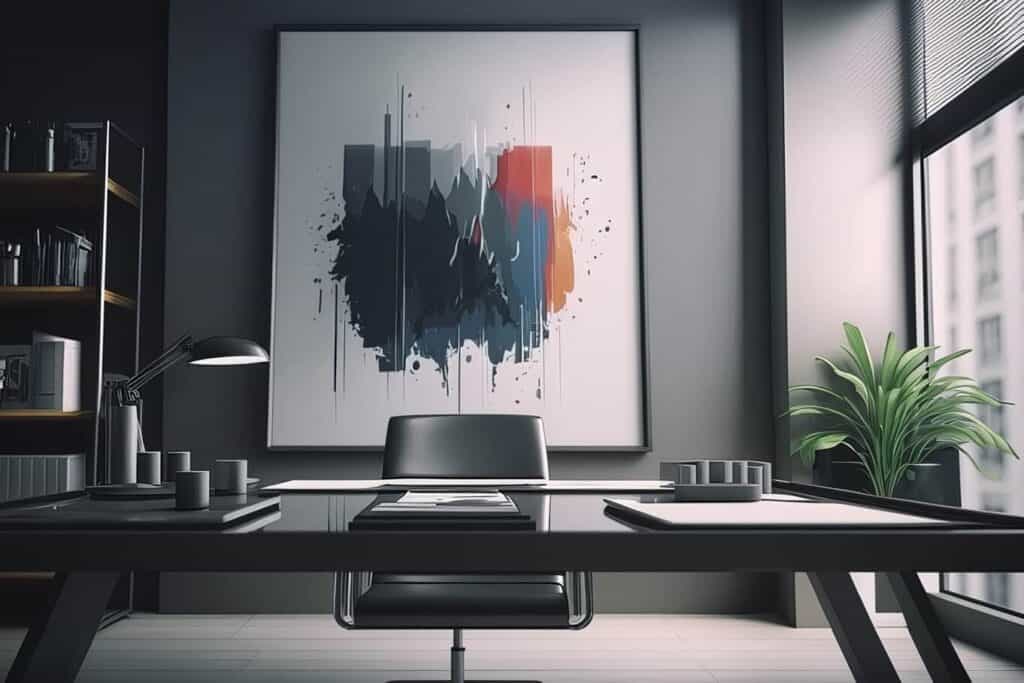
Now it’s time to add a personal touch to your office space. This step involves selecting artwork and decor that align with your company’s culture and design concept. Choose pieces that inspire and reflect the creativity of your team. Whether it’s paintings, sculptures, or unique decor items, these additions contribute to a visually appealing and motivating environment.
Step 15: Implement Branding Elements
Your brand is your identity, and it should be woven into the fabric of your office design. This step is about incorporating your company’s branding elements throughout the workspace. From the logo to the color scheme, ensure that your brand is visible and consistent. Think about how to infuse your brand personality into common areas, meeting rooms, and even employee workstations.
Step 16: Consider Sustainability
In today’s world, being eco-friendly is not just a trend; it’s a responsibility. This step involves making environmentally conscious choices in your office design. Opt for sustainable materials, energy-efficient lighting, and eco-friendly furniture. Consider recycling programs and waste reduction strategies. By choosing green options, you’re not only contributing to a healthier planet but also showcasing your company’s commitment to social responsibility.
Step 18: Finalize the Design
After careful planning and consideration, it’s time to bring everything together. This step involves reviewing your design concept, layout, and chosen elements to ensure they align with your vision. Make any necessary adjustments or refinements to achieve a corporate office interior design. Confirm that the selected furniture, colors, and decorations complement each other and contribute to the desired atmosphere.
Finalizing the design is like putting the last pieces of a puzzle in place, creating a unified and polished workspace ready to inspire and empower your team.
You Can Create and Design Your Corporate Office Interior with Officebanao
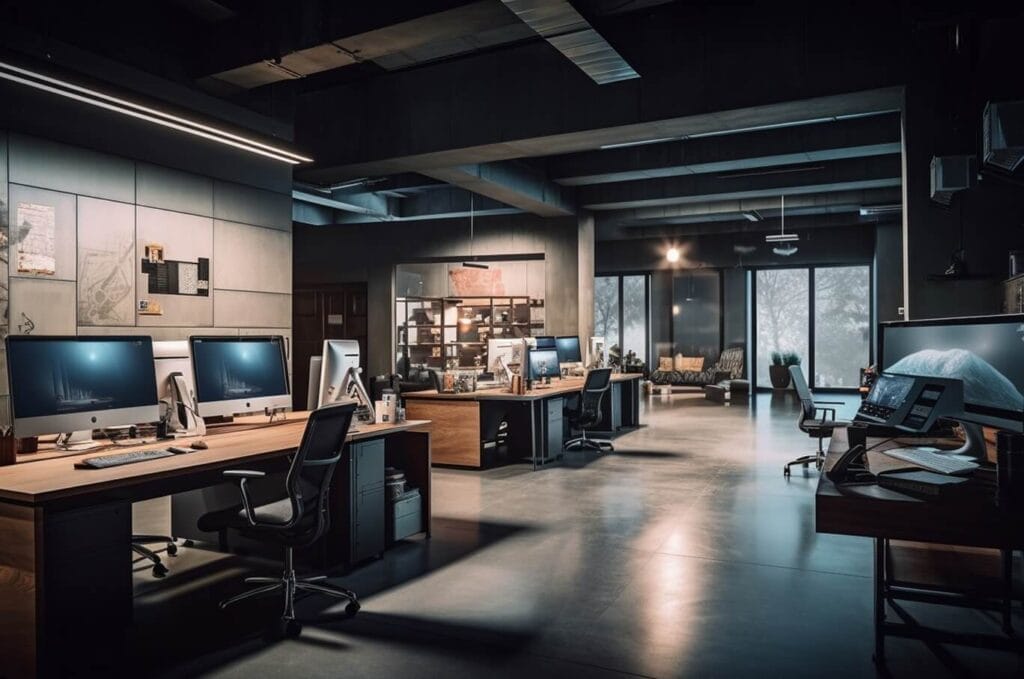
If you’re contemplating a makeover for your office room interior design, why not consult with the skilled team at Officebanao? They boast a crew of experts in office interior ideas who are equipped with their own innovative tools and a wealth of experience in creating the best office interior design tailor-made solutions.
Their forte lies in generating the latest office interior design to revamp your office interior design plans, whether it’s through modernizing your walls or aligning the ambiance with your company’s identity and objectives. Their priority is ensuring your office not only looks great but also reflects your brand seamlessly.